In brief
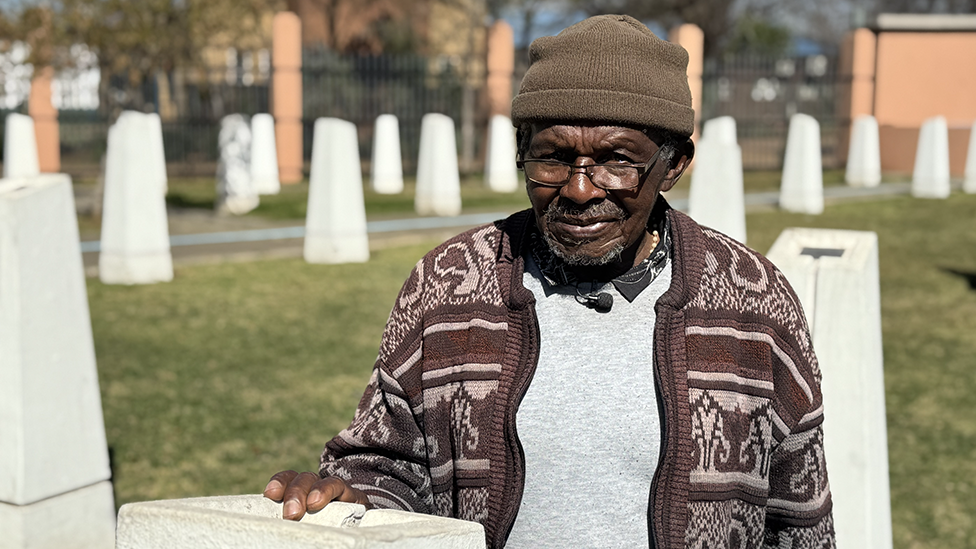
In 1960 the police opened fire on thousands of peaceful protestors in Sharpeville, killing at least 69 and injuring many. Survivors such as Abraham Mofokeng and Lazarus Magotsi still bear physical and emotional scars. Now they are part of a legal case aimed at repealing the 1961 Indemnity Act that gave the apartheid police immunity, with hopes of securing reparations and a formal apology from the modern South African state. The High Court case could open the door to a class action that may enable victims and families to claim damages and possibly bring criminal charges against former officers. The fight for justice reflects wider demands for historical accountability and healing in post‑apartheid South Africa.
After the police violently dispersed a peaceful protest in Sharpeville on 21 March 1960, at least 69 people were killed and many more injured. The event, now known as the Sharpeville massacre, exposed the brutality of apartheid to the world, yet no perpetrators were ever tried because a new law gave them immunity.
Abraham Mofokeng, an 86‑year‑old survivor, still carries the physical marks of that day. A bullet remains lodged in his spine and he walks with a gentle limp after a gunshot in his leg.
In 1961 the apartheid government passed an Indemnity Act that protected police and officials from any civil or criminal claim linked to the massacre. The law remains on South Africa’s statute books more than three decades after the democratic constitution came into force.
Nelson Mandela’s Truth and Reconciliation Commission in the 1990s offered amnesty to perpetrators who fully disclosed their acts, but police officers involved in the Sharpeville shootings never applied for amnesty and the survivors never received meaningful reparations. Today a coalition of civil rights lawyers and the UK firm Leigh Day has filed a High Court complaint, arguing that the Indemnity Act is unconstitutional under the post‑apartheid constitution.
The case seeks not only to have the old law repealed but also to establish a class action that could allow dozens of victims and family members to sue the state together. The goal is to secure monetary compensation and to move towards a full apology from the current South African government, thereby helping the community heal from a long‑standing injustice.
According to legal experts, repealing the Indemnity Act would help ‘cleanse’ the modern legal system of a relic tied to the apartheid era and close a painful chapter. The move could also pave the way for criminal investigations if any former police officers who were involved remain alive.
For many in Sharpeville, where the township streets have become increasingly run down, the possibility of legal restitution offers hope for the first time that their suffering may finally be acknowledged and the legacy of state violence may begin to be addressed.