In brief
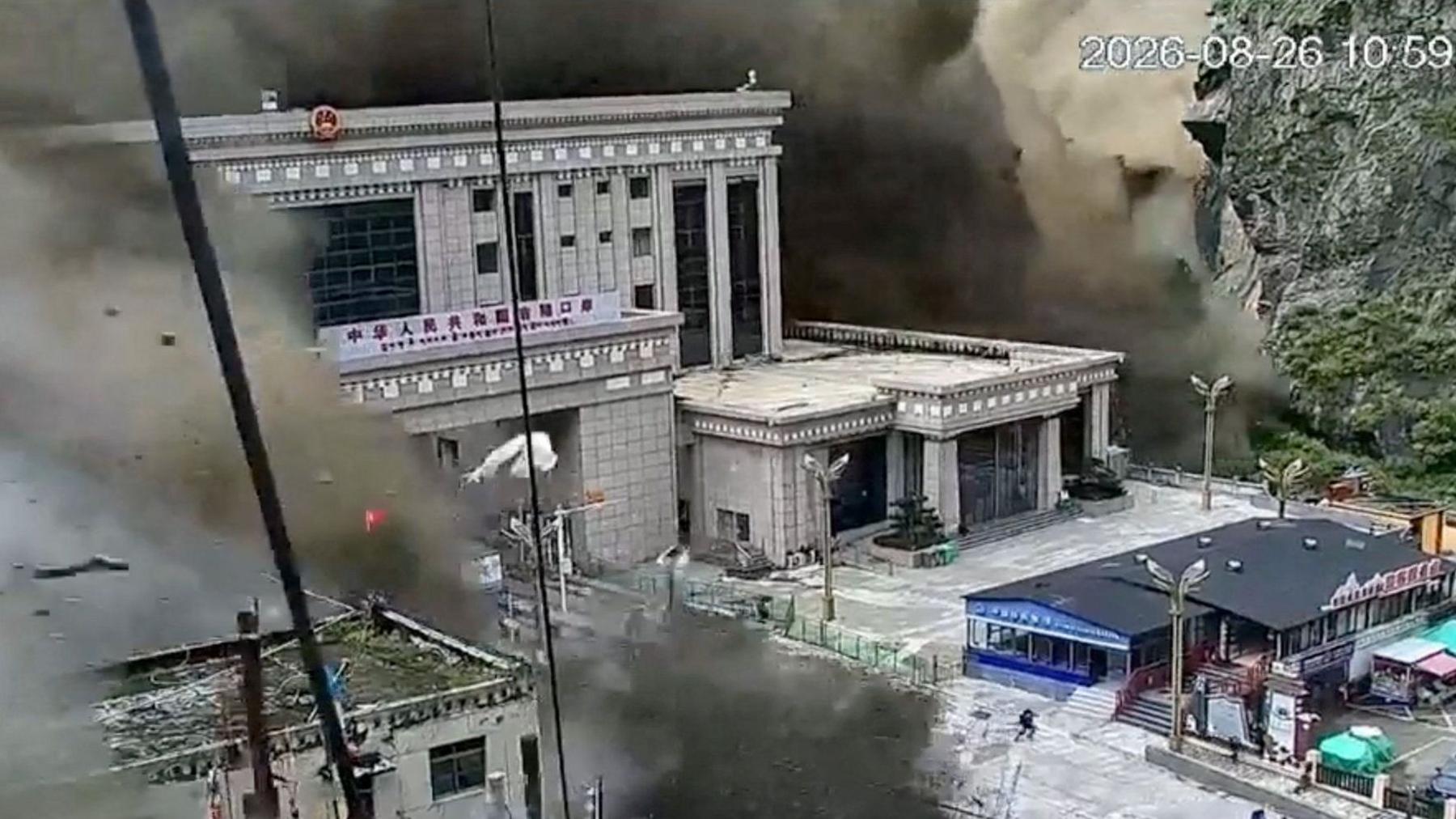
A torrent of water demolished Gyirong Port on the Nepal‑Tibet border, yet the live footage captured by CCTV cameras is barely seen inside China. The Chinese state media has broadcast only a single still image while the video is blocked on domestic platforms. Rescue operations are underway, with President Xi Jinping and Premier Li Qiang leading the response. At the same time, censorship of the word "Tibet" and strict control over online discussion keep survivors’ stories largely invisible. International groups call for transparent reporting, but families of missing persons remain in the dark as the Chinese authorities limit information.
When a torrent of water ripped through Gyirong Port on the border between Nepal and Tibet, the flood was captured in real time by CCTV cameras. Thousands of viewers worldwide saw the footage and the image of people running for their lives spread like wildfire on social media.
In China, the story remained masked. State‑run media has shown only a single still frame, and the video itself is effectively blocked from domestic internet platforms. Even posts that describe the flood’s toll vanish almost as quickly as they appear.
The authorities have announced a large rescue effort and President Xi Jinping convened an emergency meeting. Remarkably, Premier Li Qiang also dispatched a delegation to the crash‑affected area—an unusual move that signals Beijing’s high concern about public order.
Tibet’s history of resistance means the region is under intense censorship. The word "Tibet" itself triggers strict filtering, and any conversation that diverges from the official narrative is swiftly punished. As a result, survivors' voices are mostly missing from internet reports.
International groups such as the International Campaign for Tibet have urged Chinese officials to release complete data on casualties and damage, but the government’s posts are largely limited to generic rescue updates. Families of missing persons struggle to gain information amid the shut‑down.
The flash flood has highlighted an old tension: while China invests heavily in infrastructure and tourism in the region, it clamps down on expression, fearing that tragedies could ignite widespread discontent.