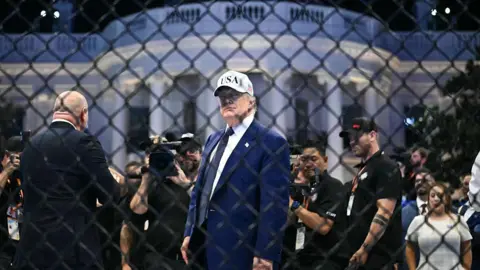
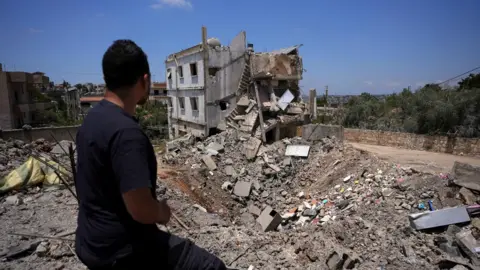
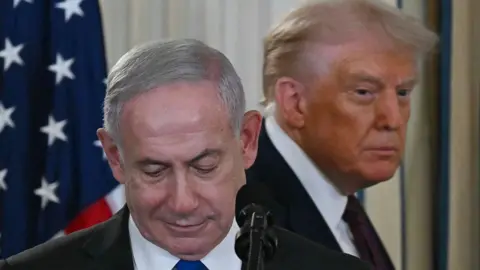
The best hope for the ceasefire talks in Pakistan is that both the United States and Iran have strong reasons to call a halt to the war. The biggest obstacle to their success is a total absence of trust, no discernible common ground and the fact that Israel, America's full partner in the war, has hugely escalated its onslaught on Lebanon. US President Donald Trump is already speaking about the war in the past tense. He has declared victory and needs an exit. With America's summer holiday season looming, Trump also needs petrol prices to fall back to where they were before he went to war. Royal visits, summits, and elections do not mix well with wars.
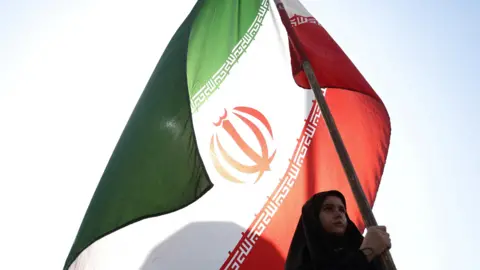
Iran's regime has its own reasons to end the war. It is as defiant as ever, still able to launch missiles and drones, with its social media warriors pouring out AI videos lampooning Donald Trump. But Iran has suffered massive damage, leading its economy to a standstill. The Pakistani intermediaries who will be shuttling between the two delegations have a tough job on their hands, with the declared positions of the two sides currently far apart.
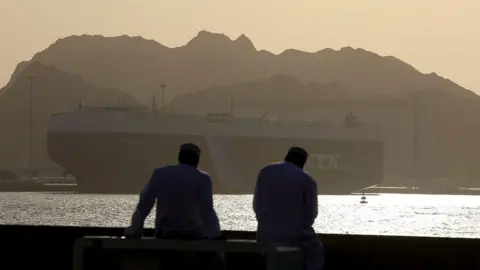
With a ceasefire already agreed upon, the focus is now shifting towards reopening the Strait of Hormuz, which serves as a critical passage for global oil shipping. The ongoing conflict has caused significant regional instability and raised questions about the economic and strategic balance in the area.
The war ignited by the US and Israel has led to profound shifts in Middle Eastern geopolitics, with long-term implications for alliances and regional power dynamics. Observers note that while traditional powerhouses like the US have relied heavily on military interventions, the evolving ground realities may force a reevaluation of strategies moving forward.
Overall, the negotiations in Pakistan represent a crucial juncture for the Middle East, with hopes of achieving lasting peace hanging in the balance against a backdrop of escalating violence and geopolitical maneuvering.
Iran's regime has its own reasons to end the war. It is as defiant as ever, still able to launch missiles and drones, with its social media warriors pouring out AI videos lampooning Donald Trump. But Iran has suffered massive damage, leading its economy to a standstill. The Pakistani intermediaries who will be shuttling between the two delegations have a tough job on their hands, with the declared positions of the two sides currently far apart.
With a ceasefire already agreed upon, the focus is now shifting towards reopening the Strait of Hormuz, which serves as a critical passage for global oil shipping. The ongoing conflict has caused significant regional instability and raised questions about the economic and strategic balance in the area.
The war ignited by the US and Israel has led to profound shifts in Middle Eastern geopolitics, with long-term implications for alliances and regional power dynamics. Observers note that while traditional powerhouses like the US have relied heavily on military interventions, the evolving ground realities may force a reevaluation of strategies moving forward.
Overall, the negotiations in Pakistan represent a crucial juncture for the Middle East, with hopes of achieving lasting peace hanging in the balance against a backdrop of escalating violence and geopolitical maneuvering.