In brief
Germany’s coal phase‑out plan is under pressure after a sharp rise in gas prices. With 20% of electricity still sourced from lignite, the government weighs resuming coal use. Germany’s abundant lignite reserves keep it self‑sufficient, unlike the 95% gas import dependency. Renewable sources supply 59% of power, yet industrial groups demand reliable energy, prompting a debate over keeping some coal as a backup.
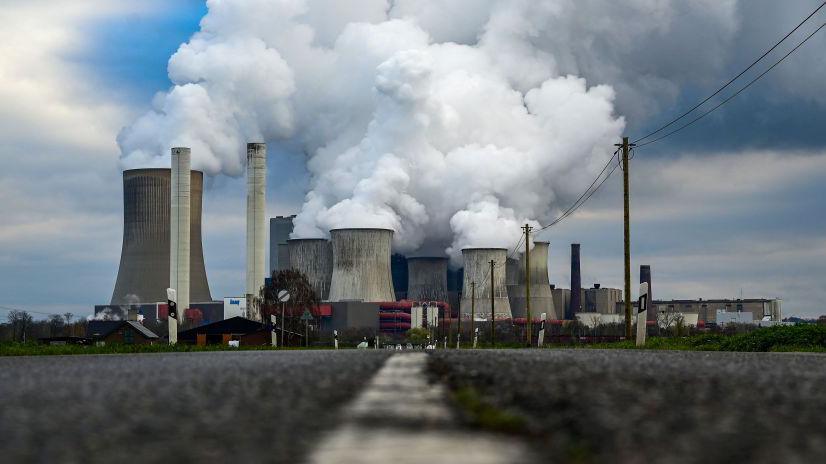
Germany’s plan to phase out coal by 2030 is being tested by a sudden surge in global natural‑gas prices. With 20% of the country’s electricity still produced from lignite, the lignite‑rich nation faces a dilemma: maintain the phase‑out schedule or temporarily bring coal plants back online to safeguard supply.
Lignite, the low‑grade soft coal abundant in eastern Germany, is the most polluting but also the cheapest. Germany holds the third‑largest reserves worldwide and has never needed to import this fuel, making it an attractive fallback during a gas‑price crisis.
Natural‑gas imports now cost almost twice as much as before the Middle‑East‑Iran conflict, rendering the continent’s cheap argon from abroad virtually out of reach. Germany, however, has already increased lignite output during the 2022 Russian–Ukraine gas shutdown, showcasing its ability to ramp up local coal quickly when needed.
Industrialists are split: “Renewables alone can’t guarantee the reliability we need,” says Wolfgang Große Entrup of the German Chemical Industry Association, highlighting that investment hinges on secure, affordable power. Yet, environmentalists warn that a rollback of the coal phase‑out would lock the country into a fossil‑fuel future.
“Germany must do everything to keep energy affordable, but the transition must not be slowed,” argues CDU deputy leader Michael Kretschmer.
The government will release a statutory review in August assessing the impacts of the phase‑out on security, supply, and price. The debate continues as the coalition, split between pro‑coal and pro‑renewable factions, weighs whether to allow a limited resumption of coal‑fired stations as a strategic reserve during extreme weather.