In brief
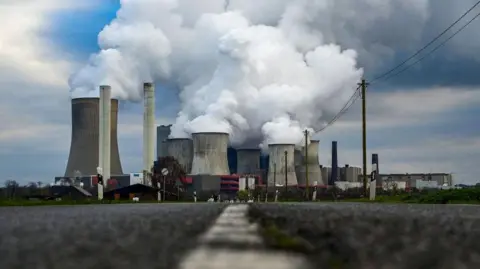
Germany has pledged to phase out all coal power by 2038, but about 20% of the country’s electricity still comes from coal‑fired plants, especially lignite. Recent sharp increases in global natural‑gas prices have prompted politicians and industry leaders to argue for keeping coal-fired stations operating to ensure supply and keep costs down. The debate pits Germany’s environmentalist and SPD factions, who insist on sticking to the coal‑phase‑out, against the CDU‑led coalition and industry groups that fear a collapse in energy reliability. A parliamentary committee is already examining whether certain coal plants could be allowed to run permanently as a strategic reserve. Germany’s future energy policy will have to balance climate goals, affordability and security amid volatile gas markets.
Germany has committed to run no coal plants after 2038 while it pushes the share of renewables to 59% of its electricity mix. Yet the country still derives about 20% of power from coal‑fired stations, mainly due to domestic lignite reserves that are cheap and plentiful.
Gas Price Shock Fuels the Debate
The recent surge in global natural‑gas prices—spurred by geopolitical tensions involving Iran—has pushed many nations to consider coal again as a cheaper alternative. Germany’s electricity system, heavily reliant on imported gas, now faces a question: is it worth keeping coal on the grid to avoid price spikes and supply gaps?
Political Perspectives Diverge
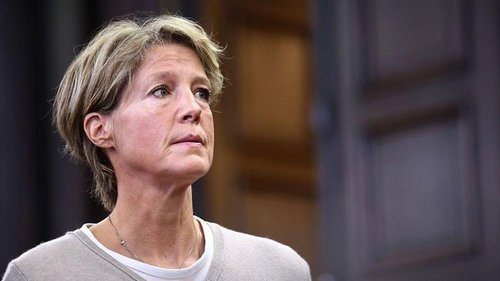
Chancellor Friedrich Merz cautions against jeopardising industry by over‑strict phase‑out rules, while SPD energy spokeswoman Nina Scheer warns that loosening restrictions would lock Germany into fossil fuels and undermine its transition. The coalition‐led government must decide whether to extend the lignite phase‑out beyond 2030 or retain some capacity as a strategic reserve.
Industry Calls for Reliability
Industry representatives, like Wolfgang Große Entrup of the German Chemical Association, stress that renewable‑only supply is still uncertain. “Companies need reliable, affordable energy to invest billions,” he says, arguing that a mix of renewables and lower‑emission gas or coal is essential for stability.
Environmental Voices Remain Firm
Hauke Hermann, a senior researcher at Öko, insists that more coal is not an answer. He advocates for an accelerated increase in renewables and national events that shift the economy away from fossil fuels. The environmental lobby warns that even small coal re‑introductions could entrench emissions for decades.
Potential Compromise: Run Backup Coal Plants All‑time
One proposal focuses on six backup coal‑fired plants that traditionally use imported hard coal. Owners of these plants argue they can operate continuously, supplying millions of homes and stabilising the grid. A parliamentary committee set up in March will review this possibility; the government’s August review on the coal phase‑out will weigh the pros and cons.
Future Outlook
With a grand coalition split between CDU/CSU and SPD, Germany’s decision this year will likely hinge on balancing affordability, security and climate goals. Should the government bend the 2030 lignite deadline, it could keep some coal operational for a few years as a strategic safety net.