Fatal Drownings Surge as European Heatwave Reaches Record Temperatures
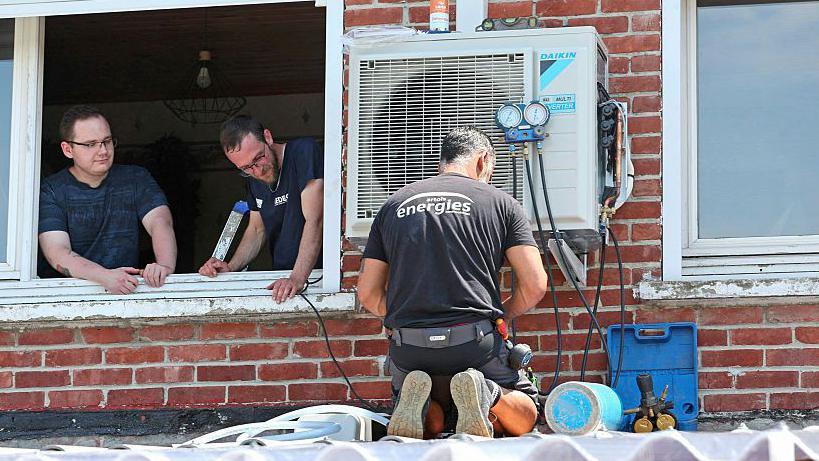
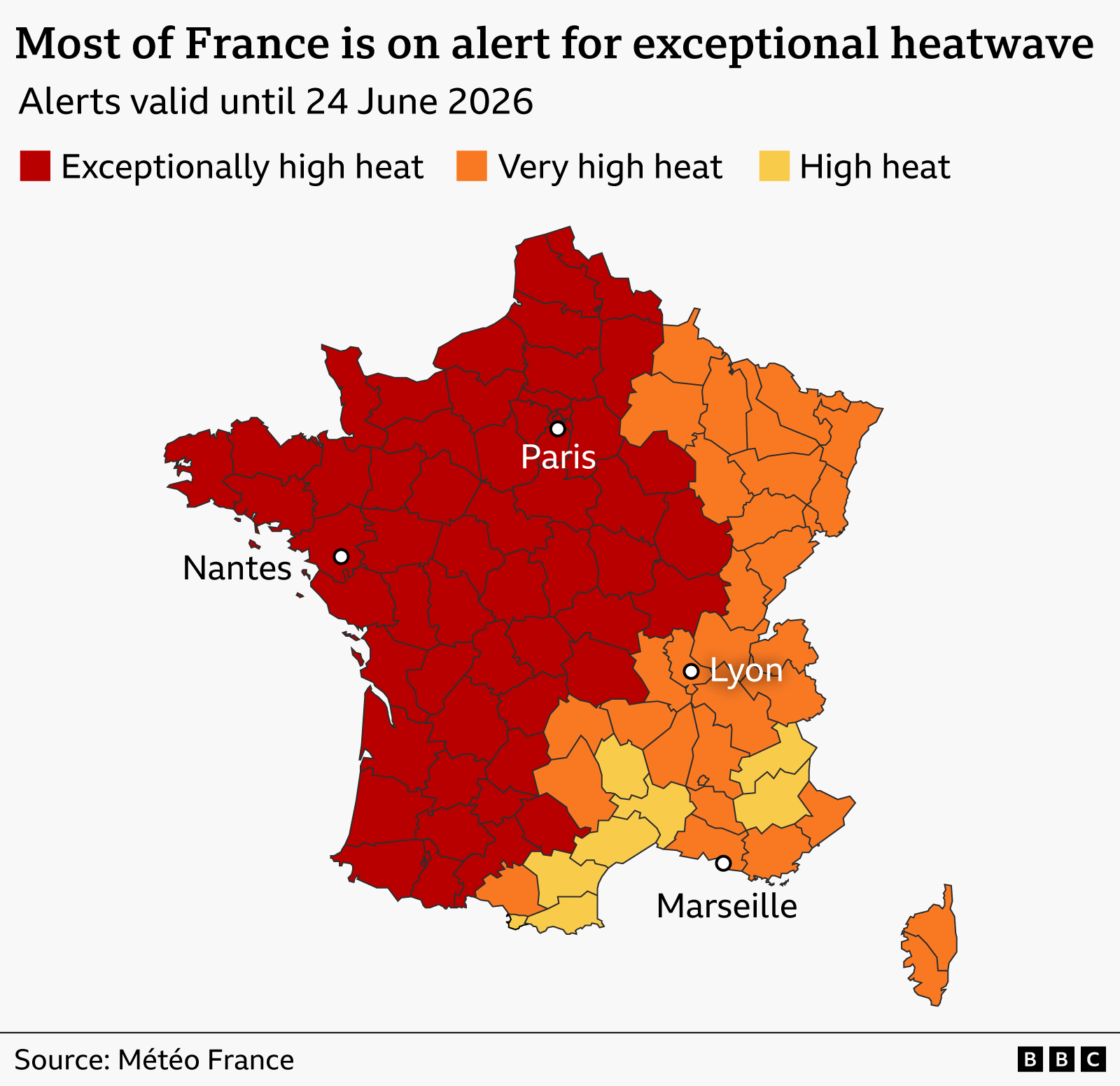
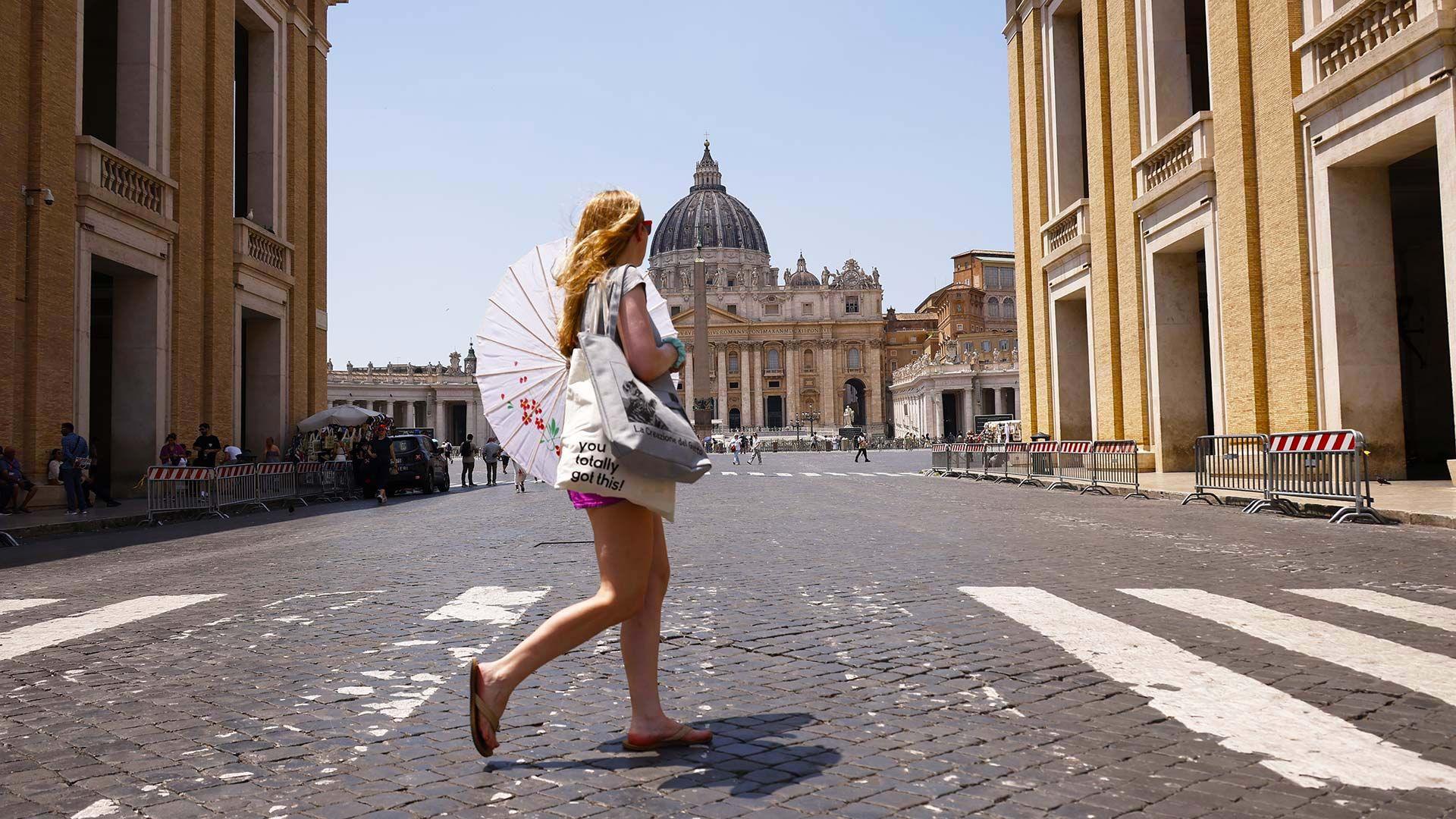
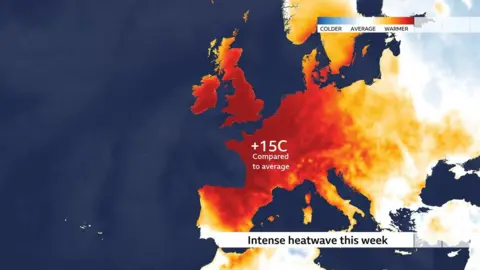
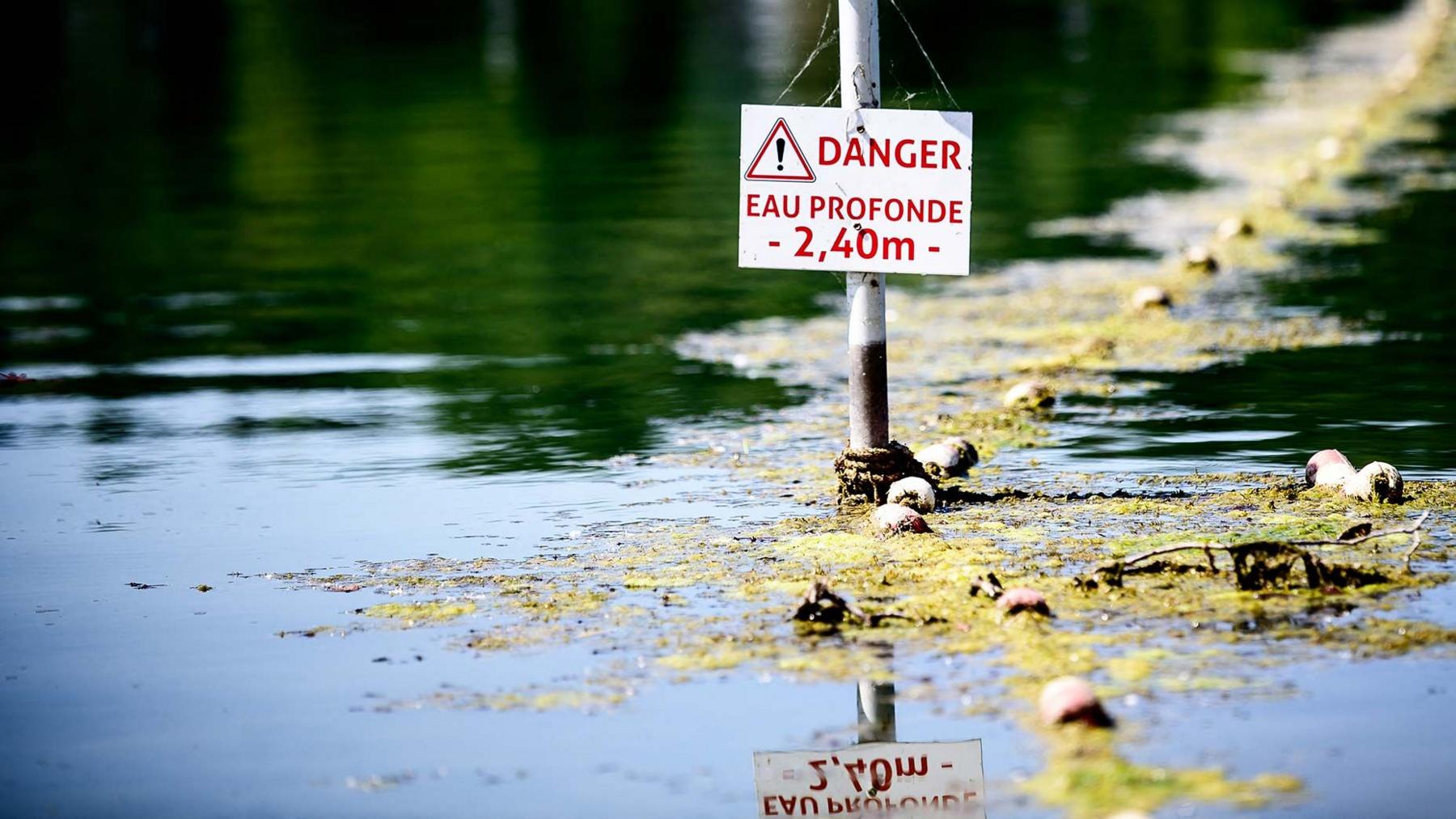
France’s beaches, rivers and canals have become death traps during this week’s unprecedented heatwave, which has pushed temperatures into the 30‑40°C range across the continent.
Prime Minister Sébastien Lecornu announced that 40 people have drowned in heat‑related incidents since Thursday. The losses include a 13‑year‑old girl who dived into the Seine, a professional footballer trapped in the Rhône, and children found dead in a car in Carpentras.
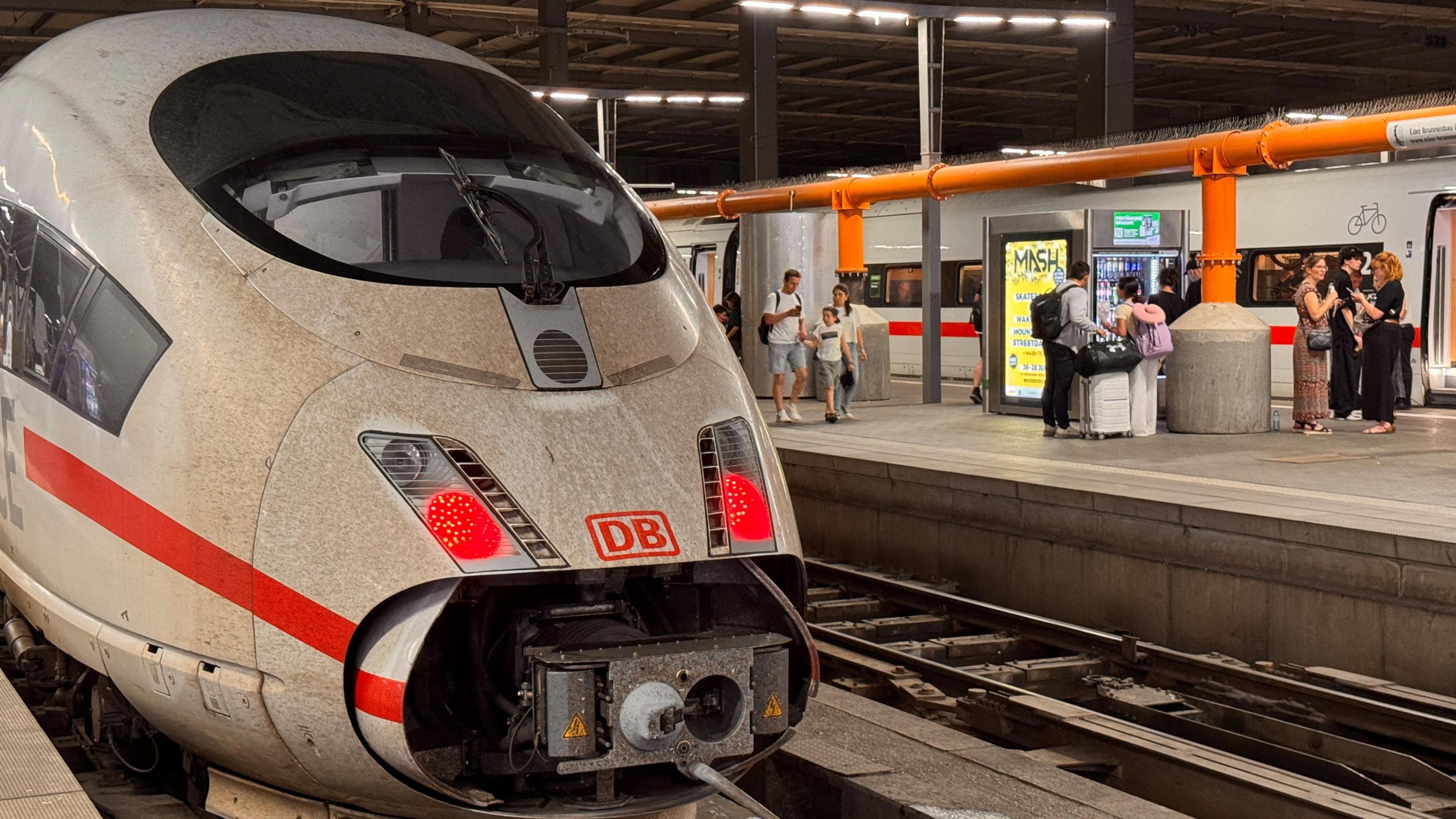
Sports and Youth Minister Marina Ferrari urged people to avoid swimming in unsupervised water. She warned that “it’s not something to be taken lightly” and that living temperatures can exceed 50°C for thick‑lipped steel rails and heat‑–handling surfaces.
The heat wave extends beyond France. Spain’s southern Andalusian region is expecting temperatures to crest above 40°C with 45°C recorded in Andújar. In the north‑east Ebro valley, 42°C has been projected.
Italy’s government has activated emergency work‑hour restrictions for outdoor construction and farming sectors to mitigate heat stress. The country has issued red alerts for 15 cities, reminding residents that “heat can pose health risks even to healthy adults.”
Germany’s Lifesaving Association reported six fatal swimming incidents between Friday and Sunday, with men overestimating their abilities in the Rhine near Biblis. Six bodies were found after missing persons were reported in two separate river sites.
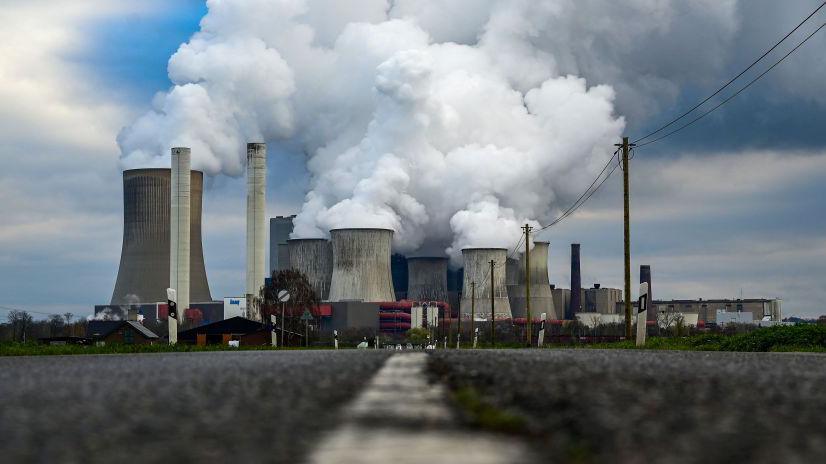
Infrastructure hit by the heat has seen major disruptions. The Golfech nuclear power plant in southwestern France was shut down at 10 pm on Monday because river water temperature was projected to reach 28°C, exceeding the legal safe limit of 25°C for cooling.
The Eiffel Tower closed early on Tuesday, with its last entry at 12:15pm instead of the usual midnight. Meanwhile, the Louvre shortened its operating hours for the week and highlighted how large crowds can amplify a heat‑up.
Belgian and Dutch authorities issued Code Orange alerts for southern and central regions, citing “dangerous weather” risks. Climate experts say Europe is warming twice as fast as the global average, driving frequent heatwaves, water‑stress and wildfires – a trend that will persist into the coming decade.