In brief
Private well owners in the U.S. are at a heightened risk of PFAS contamination, yet there are no federal regulations requiring testing or public notification, unlike municipal water systems. As environmental agencies work slowly to address the issue, the lack of resources and clear rules leaves many well owners vulnerable and uninformed about the dangers in their drinking water.
STELLA, Wis. (AP) — The roughly 40 million Americans who get their water from private wells are particularly vulnerable to harmful forever chemicals. These well owners are often the last to know their water is contaminated, and the problem can take years to fix.
The federal government has set strict limits on forever chemicals in drinking water that comes from public utilities and requires testing. But those rules don’t apply to private wells, leaving people near industrial sites unaware they are consuming contaminated water.
Forever chemicals, known to scientists as PFAS, are unique in their ability to repel stains and withstand heat, making them essential for products from waterproof shoes to firefighting foam. However, they do not break down in the environment, posing health risks linked to increased cancers and developmental delays in children.
Despite the alarming scope of contamination, data reveals that states often lack the resources or policies to test private wells, meaning many owners live in jeopardy without even knowing it.
Systemic Vulnerabilities for Well Owners
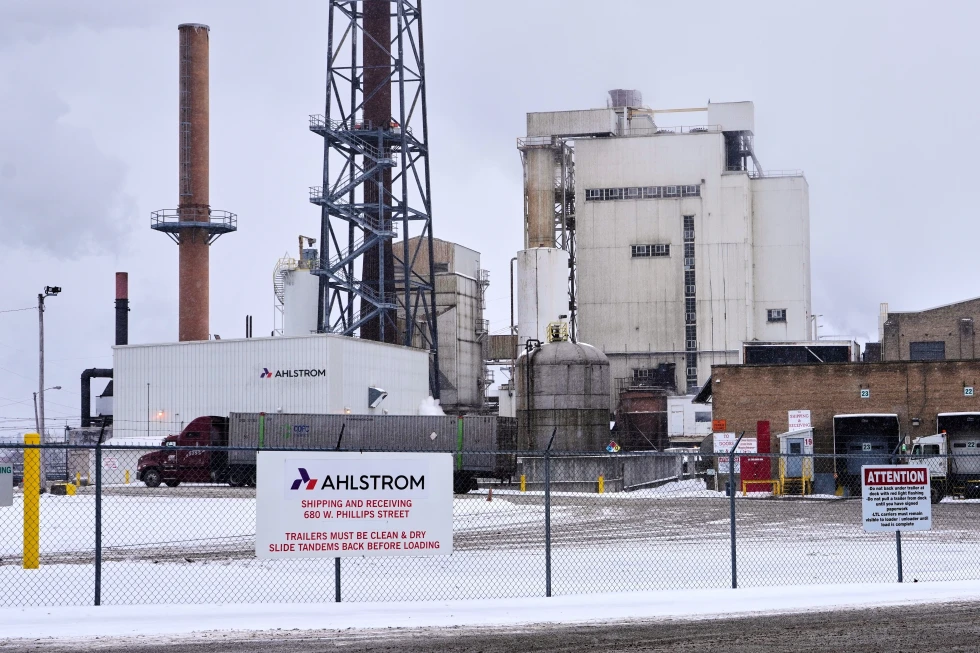
While water utilities can typically treat PFAS in one location, restoring a safe water supply for well owners often requires intervention on a household-by-household basis. For instance, in Wisconsin's Peshtigo, the logistics and disputes over testing responsibility left some residents without immediate relief during a contaminated water crisis linked to a nearby fire technology plant.
The scope of detection and remediation is daunting. In North Carolina, testing PFAS unearthed extensive contamination stretching over 100 miles from a single chemical source, exposing households to years of unsafe drinking water.
A Patchwork of State Responses
The absence of a national rule for PFAS in private wells places responsibility solely on states. As it stands, over 20 states do not routinely test private wells for PFAS unless contamination is suspected. This disparate approach means that well owners anywhere from Michigan's proactive testing initiatives to those left without guidance in northwest Georgia remain unprotected.
The Disruptive Reality of PFAS Discovery
A notable case involves a Wisconsin town where residents were alarmed to discover PFAS levels in their drinking water thousands of times above safety limits. This has triggered ongoing investigations into the practices of local industries that contributed to the contamination and raised fears among families about the long-term health impacts.
The issue remains unresolved as resources for testing and remediation are frequently limited, leaving residents to navigate their health concerns independently. With communities now grappling with the consequences, it highlights a broader national challenge regarding drinking water safety and the pressing need for stricter regulations.