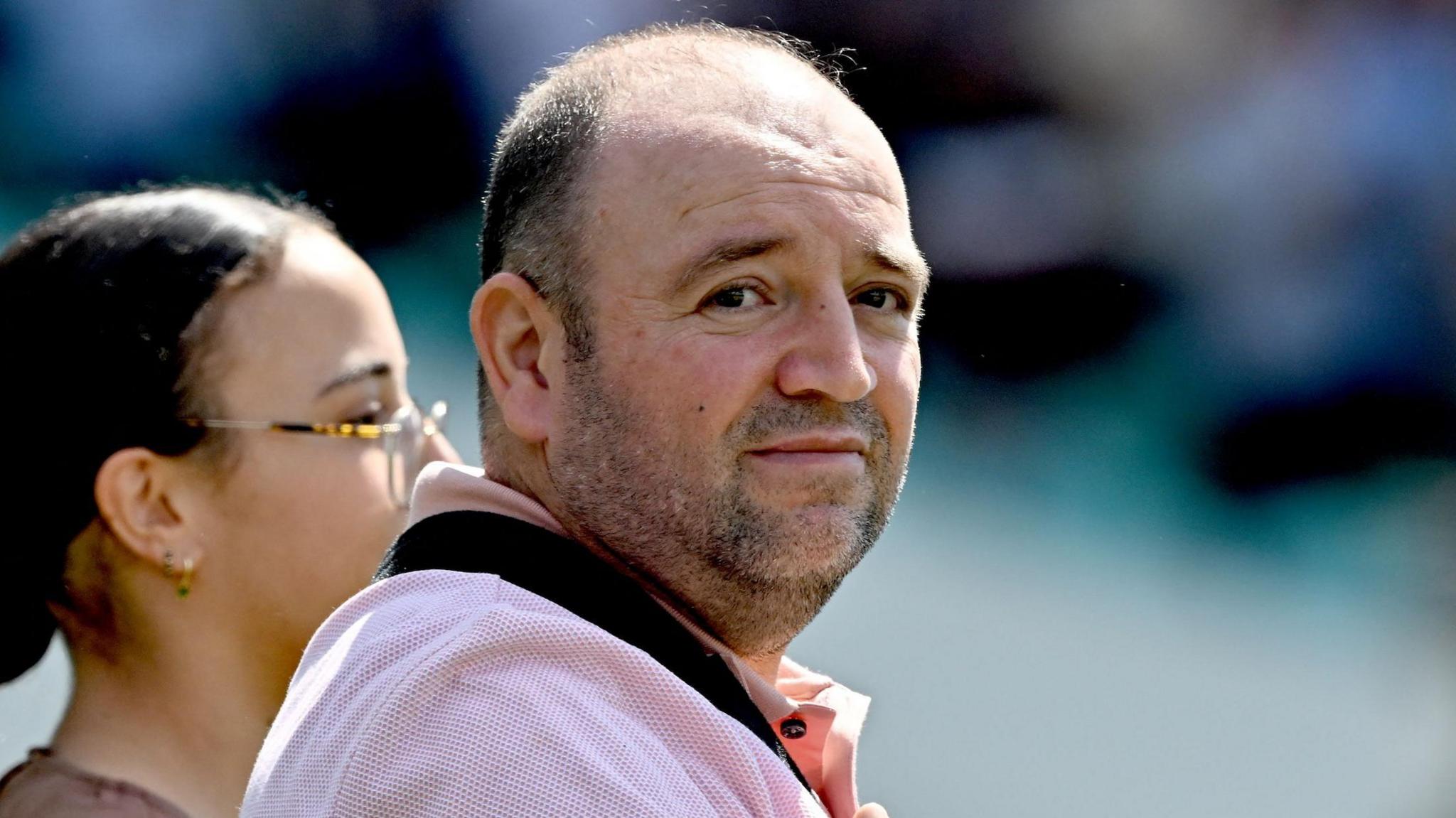
When Stephen Scheeler became Facebook's Australia chief in the early 2010s, he was a true believer in the power of the internet and social media for public good.
But by 2017, when he left, doubts had crept in regarding social media's impact on mental health, particularly among teenagers. Criticism of social media platforms has reached a fever pitch, leading several countries, including Australia, to consider significant regulations.
Australia's bold new initiative introduces a ban on social media for users under 16, positioning the country as a leader in safeguarding children's online interactions. This move has drawn protests from major tech companies, who argue that such a blanket ban could hinder children's rights and their ability to navigate online spaces effectively.
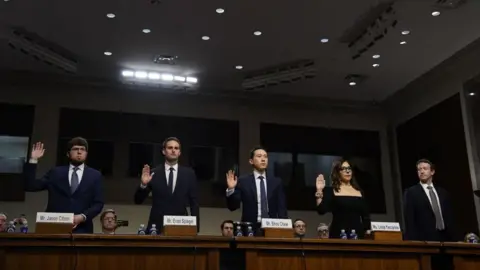
Key voices from the tech industry have been publicly vocal in their dissent. They argue that this legislation may misguide children rather than protect them, as tighter restrictions could foster ignorance rather than informed digital citizenship. Paul Taske from NetChoice has termed it 'blanket censorship,' claiming it could render youth less informed and connected.
While this action positions Australia at the forefront of tech regulation, it raises the specter of imitation by other countries. Experts warn that this ban may inspire peers and allies to follow suit—an outcome that could create a ripple effect worldwide.
In the face of mounting scrutiny, social media firms have argued for more nuanced approaches, emphasizing parental agency in monitoring children’s online engagement rather than imposing government regulations. Their lobbying efforts have included meetings with government officials and campaigns aimed at promoting safer versions of their products for younger audiences.
As the new law takes shape, it underscores a broader conversation about user safety, corporate responsibility, and the urgent need for effective solutions to protect vulnerable populations from potential online harms.