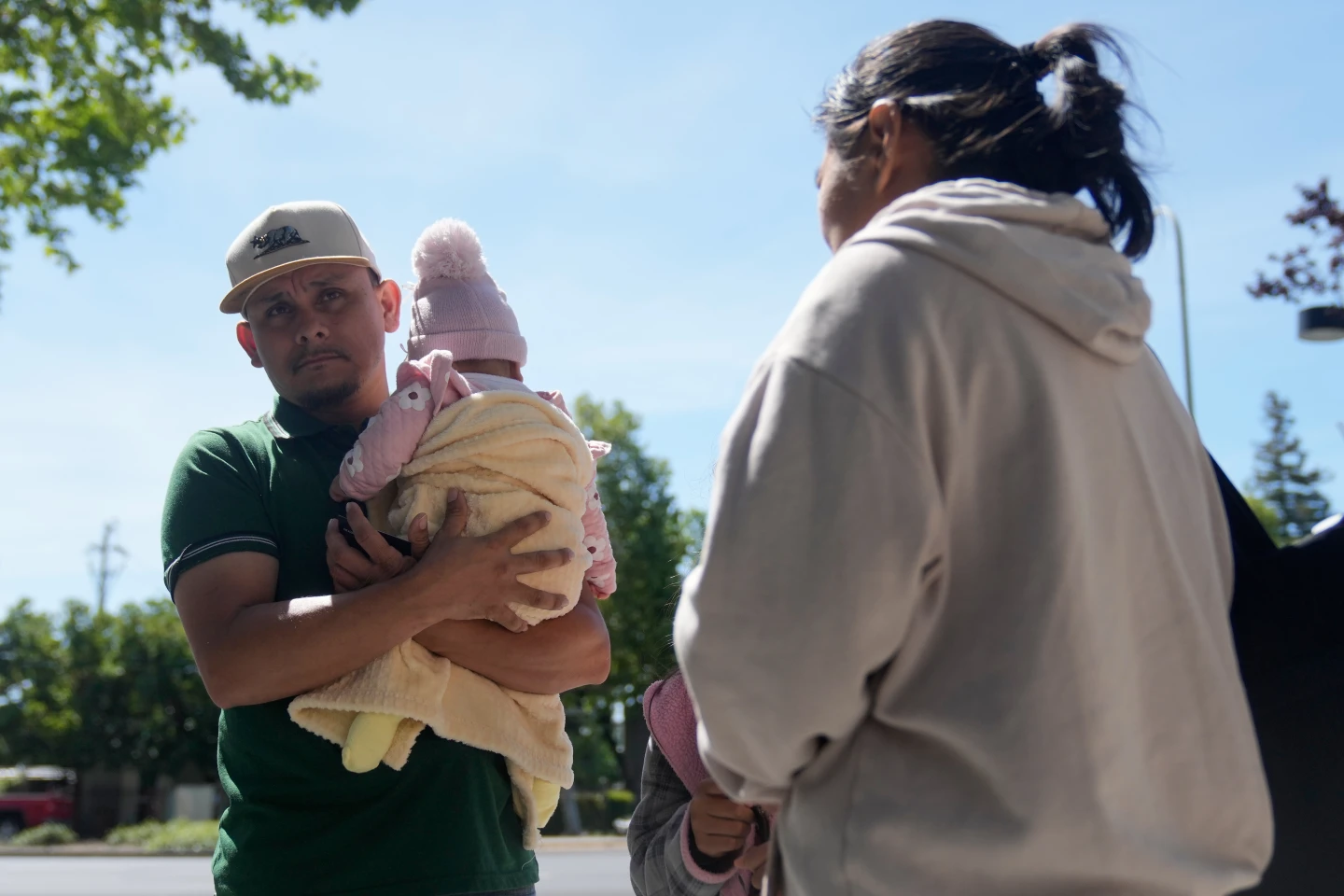
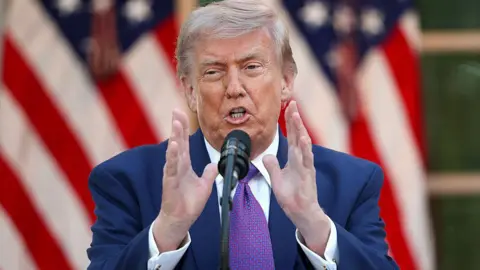
CHICAGO (AP) — A commission formed to investigate alleged harassment and abuse by federal agents during an immigration crackdown in the Chicago area reviewed the extensive use of chemical agents at its first public hearing on Thursday. The immigration operation, which began in September, has been characterized by aggressive tactics widely condemned by judges, elected leaders, and a growing number of residents in the region. Illinois Governor JB Pritzker formed the commission as a response to what critics describe as a discriminatory overreach of federal power. Commission leader, former federal judge Rubén Castillo, stressed that the situation cannot become the 'new normal.' More than 4,000 arrests have been recorded, with allegations of abusive practices prompting multiple lawsuits and a new law meant to protect immigrants around courthouses and schools. Community leaders have condemned the operation as devastating, highlighting its harmful impacts on local businesses and schools in Little Village, a neighborhood heavily affected by the crackdown. While the Department of Homeland Security defends the operation as necessary for public safety, community testimonies reveal widespread fear and disruptions in daily life attributed to the crackdown.
Chicago Commission Investigates Federal Immigration Crackdown Tactics
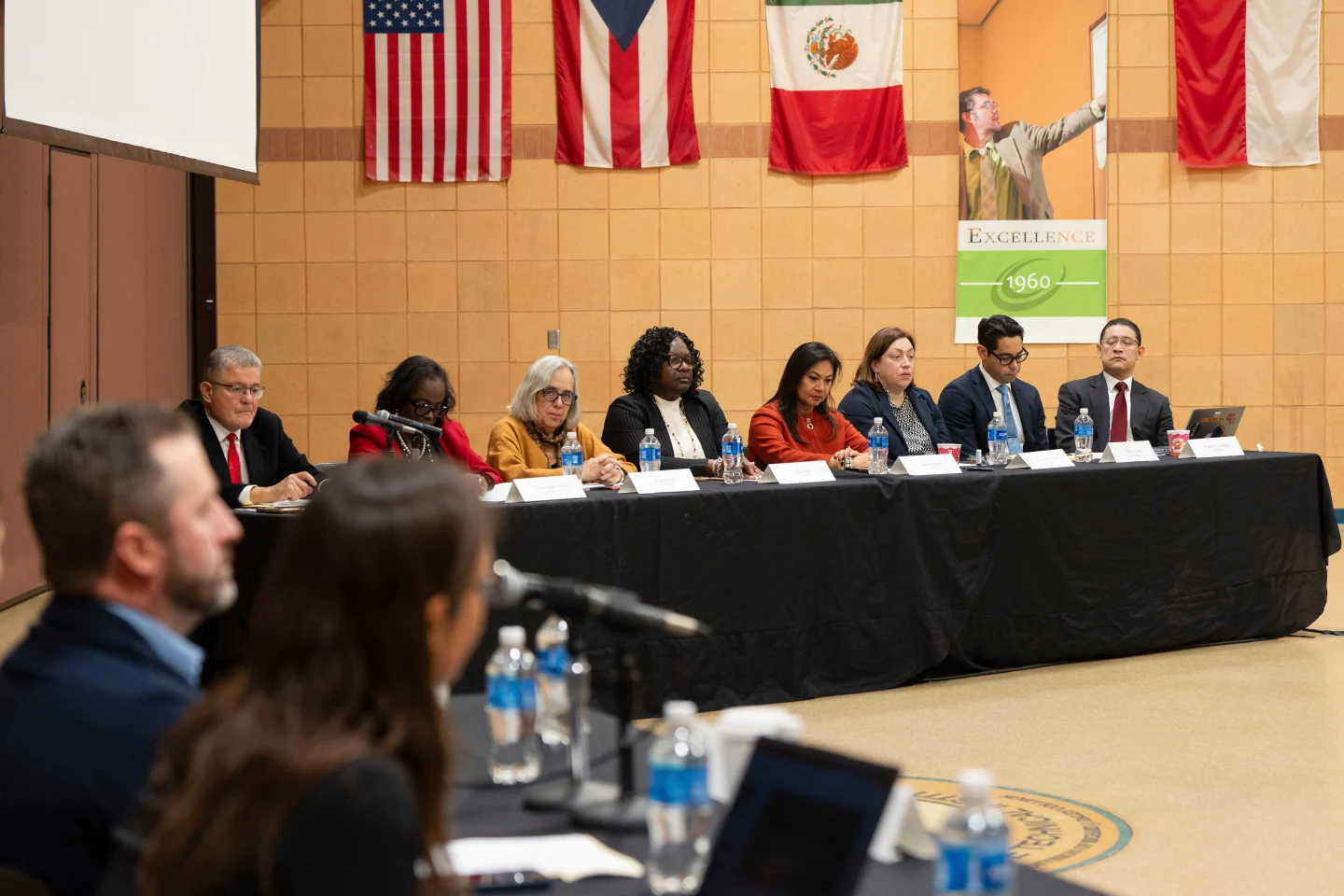
Chicago Commission Investigates Federal Immigration Crackdown Tactics
A commission in Chicago reviews the use of aggressive tactics by federal agents during an immigration crackdown, resulting in numerous arrests and community backlash.
A public hearing held by a commission in Chicago has focused on the heavy use of chemical agents by federal immigration enforcement during a crackdown that started in September. This crackdown has led to over 4,000 arrests and prompted lawsuits alleging abuse, including incidents of agents using pepper spray on a child. The commission, which was established by Governor JB Pritzker, aims to document the impact of these operations on local communities amid allegations of discrimination and executive overreach. Members of the community express deep concerns over the crackdown's effects on families and local businesses.