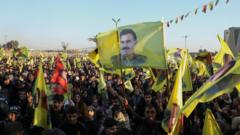
The Kurdistan Workers Party (PKK), which has been locked in conflict with the Turkish state for over 40 years, is taking a crucial step towards disbanding its militant operations. This momentous shift comes after the group's incarcerated leader, Abdullah Ocalan, urged disarmament earlier this year. The announcement signifies the potential end of one of the longest-running conflicts worldwide, with hopes of fostering peace for both Turkey and its Kurdish population.
This historic decision signals a pivotal moment for Turkey and for the Kurdish minority, who have long claimed rights and autonomy. A spokesman for President Recep Tayyip Erdogan's administration characterized the development as a significant stride towards a nation devoid of violence. Yet, uncertainty looms as the Turkish government has not made any public promises in return for the PKK’s disarmament, leading to widespread mistrust.
On the streets of Diyarbakir, the de facto Kurdish capital, reactions are mixed. Necmettin Bilmez, a local driver, expressed skepticism, voicing concerns that the government has historically betrayed Kurdish hopes. Others, however, like 80-year-old Mehmet Ek, acknowledge the tardiness of this measure but express support for any efforts leading to an end to the bloodshed. "We are all losing, Turks and Kurds," he remarked.
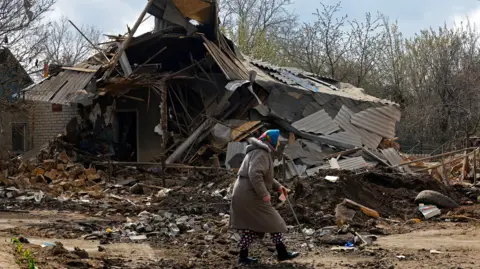
The scars of the long-standing conflict are evident throughout Diyarbakir, a city that witnessed intense battles in 2015 between Turkish forces and the PKK. The community longs for peace but remains cautious, as many lament the losses incurred from the devastating war. Ibrahim Nazlican, 63, poignantly noted that "there are no winners" in this conflict, underscoring the universal suffering experienced.
As the PKK takes steps toward disbandment, calls for the release of Abdullah Ocalan are emerging. Many of his supporters believe his freedom is crucial for true progress. Menice, who has suffered tremendous loss due to the conflict, emphasized that peace cannot be attained without Ocalan’s release. "If he is free, we will all be free," she affirmed, reflecting the sentiment shared by many.
While the PKK's decision to disarm offers a glimmer of hope, the path ahead remains fraught with complexity. Turkey's changing regional dynamics and military pressure have indeed limited the PKK's operations, but the lingering distrust among the Kurdish population suggests that genuine reconciliation efforts are necessary. As Turkey eyes upcoming elections, the stakes are high, and both parties may seek avenues for cooperation in this delicate juncture.