Ceasefire Agreement Between Lebanon and Israel: Key Details and Reactions
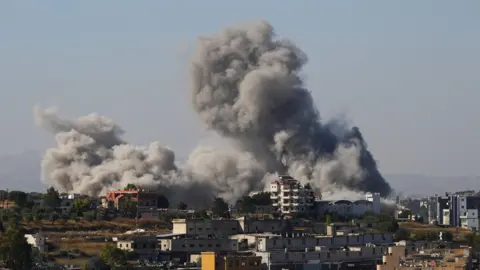
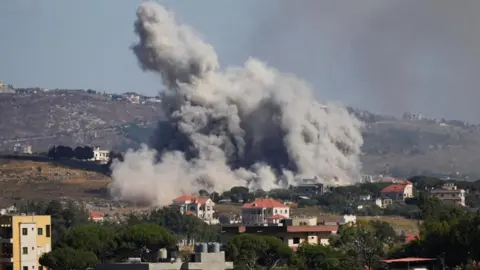
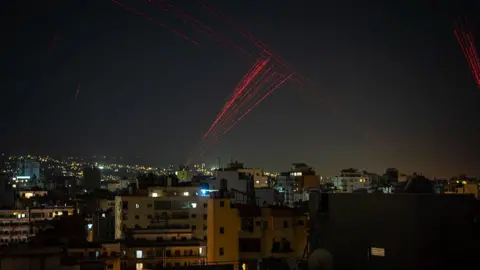
In a significant development in Middle Eastern relations, U.S. President Donald Trump has announced that the leaders of Israel and Lebanon have agreed to a 10-day ceasefire. This agreement, which took effect at midnight local time on April 16, 2026, comes in the wake of intense conflict primarily involving Israeli strikes and retaliatory actions by the Iran-backed militant group Hezbollah.
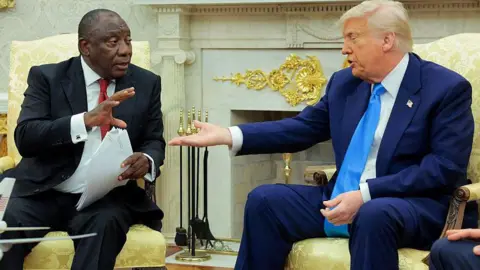
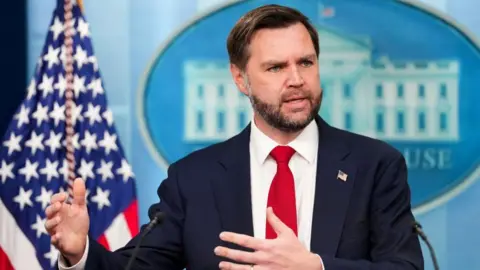
Trump’s statement did not address Hezbollah directly, but he subsequently urged the group to maintain peace during this crucial period, stating, I hope Hezbollah acts nicely and well during this important period of time. Following the announcement, Trump extended invitations to Israeli Prime Minister Benjamin Netanyahu and Lebanese President Joseph Aoun for discussions at the White House, signaling hopes for further negotiations.
Details of the Ceasefire Agreement
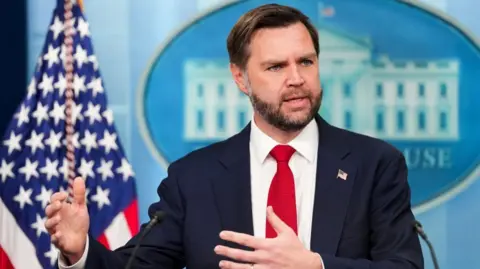
The ceasefire is intended to last for 10 days, with provisions for potential extension if both parties agree to further negotiations. The U.S. State Department outlined specific terms, including:
- Israel retains its right to defend itself against imminent threats.
- Lebanon must take meaningful steps to prevent Hezbollah and other armed groups from attacks on Israel.
- Lebanon's security forces are acknowledged to have exclusive responsibility for maintaining order within Lebanon.
- Ongoing U.S. facilitation of direct talks is requested by both nations, with a goal of resolving outstanding issues.
The ceasefire has been framed as a goodwill gesture by Israel, aimed at fostering good-faith negotiations towards a permanent security and peace agreement.
Reactions from Leaders
Both leaders expressed positive sentiments regarding the truce. Netanyahu described it as an opportunity for a historic peace agreement. Lebanese Prime Minister Nawaf Salam expressed hope that the agreement would pave the way for displaced individuals to return home.
While Hezbollah showed willingness to support the ceasefire, it insisted that there must be a comprehensive halt to all attacks across Lebanon and emphasized that Israeli forces should have no freedom of movement. This is critical as Hezbollah, while a powerful military presence, is not under Lebanon's government control.
Iran has also expressed support for the ceasefire, with officials reiterating their solidarity with Lebanon amidst the ongoing war. The U.N. Secretary-General and European leaders commended the U.S. for its role in facilitating the ceasefire while emphasizing the need for compliance with international law.
Ongoing Military Presence
Despite the ceasefire agreement, Netanyahu stated that Israeli troops would maintain a 10-kilometer deep security zone in southern Lebanon, a measure he described as necessary to prevent potential invasions. This reflects ongoing tensions, as Israel previously re-entered southern Lebanon following Hezbollah's attacks.
The situation remains fragile, with numerous complexities surrounding Hezbollah's involvement and the broader implications of U.S.-Iran relations and regional security dynamics.