CHICAGO (AP) — A Chicago carpenter is facing possible conviction for allegedly offering a $10,000 bounty on the life of a Border Patrol commander through Snapchat. The trial, which landed in a federal jury’s hands Thursday, centers on communications that have sparked extensive debate regarding their intent and implications.
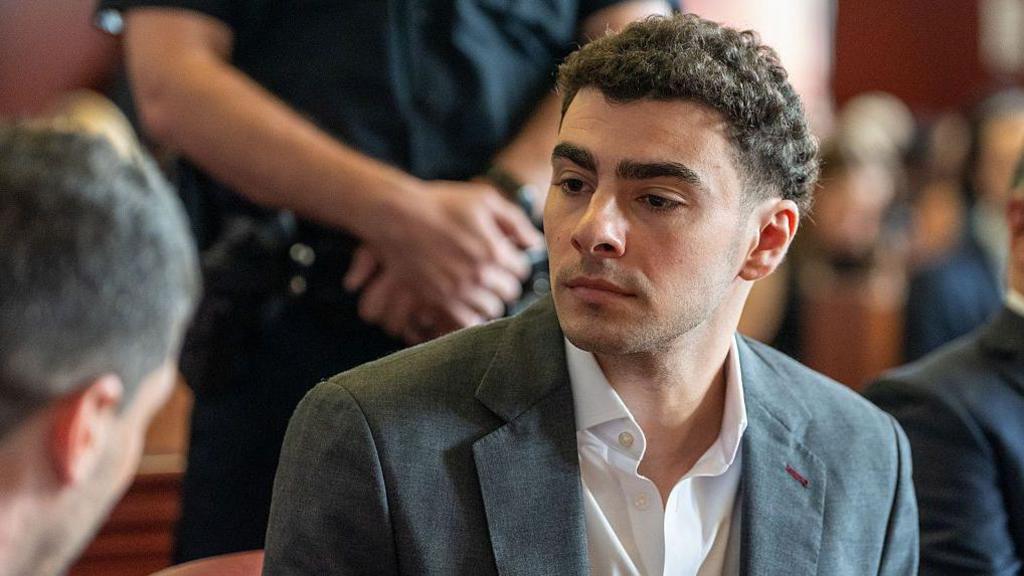
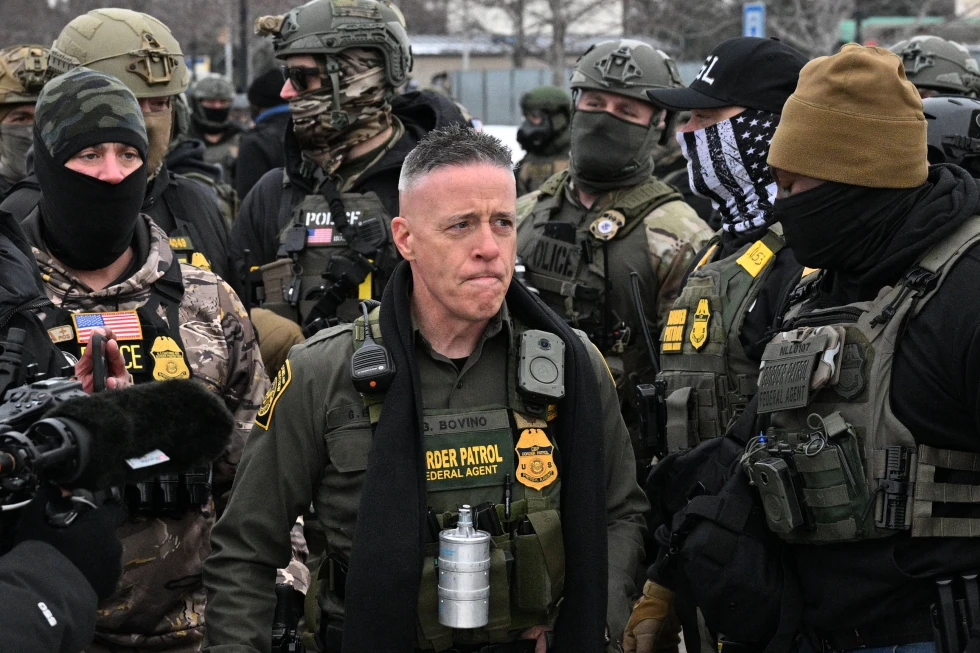
Juan Espinoza Martinez, aged 37, is charged with a singular count of murder-for-hire in a case that emerges from the increasing federal scrutiny surrounding immigration enforcement in the Chicago area. The government's argument hinges on Snapchat messages reported to have been sent by Espinoza Martinez to his younger brother and a friend—who later turned out to be an informant—suggesting financial incentive for violence against Gregory Bovino, a Border Patrol official known for rigorous crackdowns.
U.S. authorities presented evidence that included Espinoza Martinez's text, stating, “10k if u take him down,” paired with an image of Bovino. Assistant U.S. Attorney Jason Yonan emphasized the gravity of these words during closing arguments, asserting their significance beyond harmless banter.
Conversely, the defense claimed that the messages were simply casual neighborhood gossip shared after a long day’s work and didn't demonstrate any earnest intention to harm. Defense attorney Dena Singer pointed out the absence of any clear evidential follow-through on Espinoza Martinez's part, describing his financial situation as flimsy to support any real plan of action.
Espinoza Martinez’s trial draws attention not only due to its immediate legal implications but also as a barometer of public sentiment regarding the militarization of immigration enforcement and criticisms surrounding related operations across various states. With a potential 10-year sentence looming, the case underscores ongoing tensions as communities across the U.S. grapple with enforcement practices that many argue disproportionately target vulnerable populations.
As part of his defense strategy, they highlighted inconsistencies in the testimonies and the overall credibility of the prosecution's case. As jurors deliberate, the outcome of this significant trial could set precedents for future cases involving social media communications and serious criminal accusations.