Civil rights groups and pro-gun advocates in Australia have raised concerns that new fast-tracked laws will place undue restrictions on firearms and protests in the wake of the Bondi shootings.
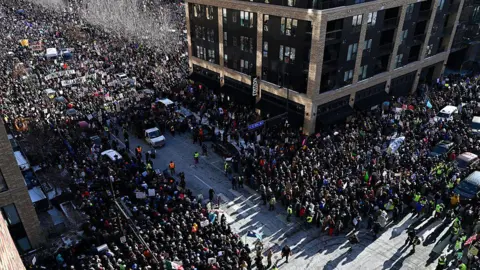
On Monday, the Australian state of New South Wales (NSW) recalled its parliament to debate a raft of new laws such as banning the phrase 'globalise the intifada', limiting the number of guns one person can own, and greater police powers for protests.
NSW Premier Chris Minns said some may feel the changes had 'gone too far' but they were needed to keep the community safe.
A pro-gun politician expressed that the laws unfairly target law-abiding gun owners while civil libertarians claimed the restrictions on protests were an affront to democracy.
On banning the 'intifada' phrase, Minns stated that its use at protests in Australia and globally 'are a call to a global intifada.' He warned it could lead to heightened disunity and invite violence.
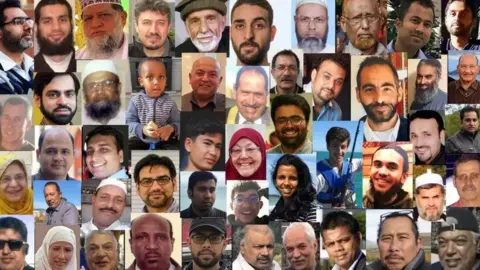
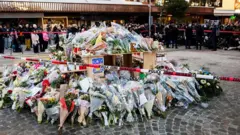
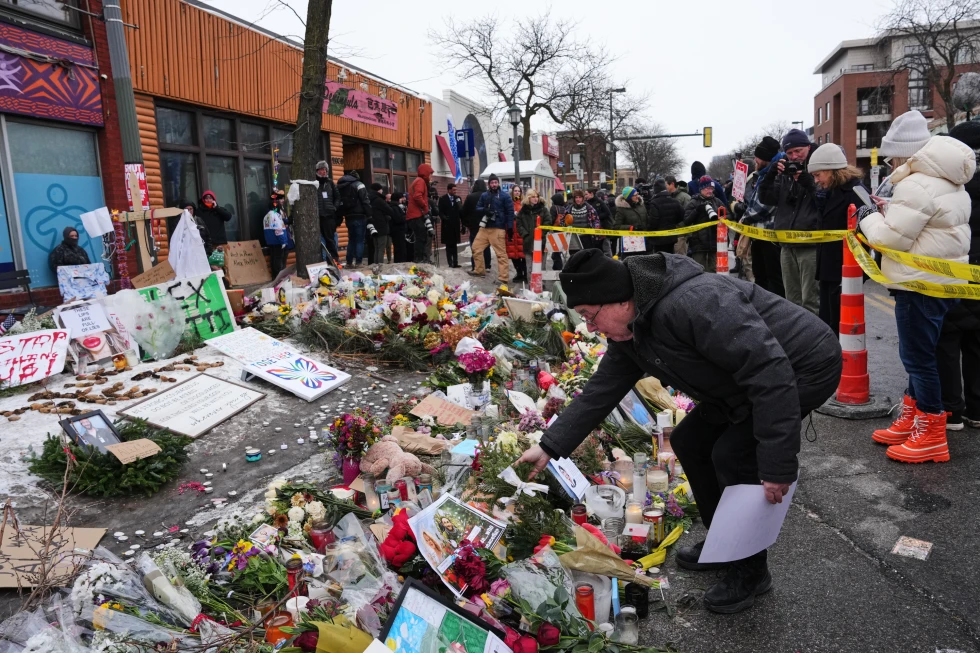
In the aftermath of the Bondi attacks, where 15 people lost their lives, the Jewish community accused the government of not providing adequate protections against rising antisemitism.
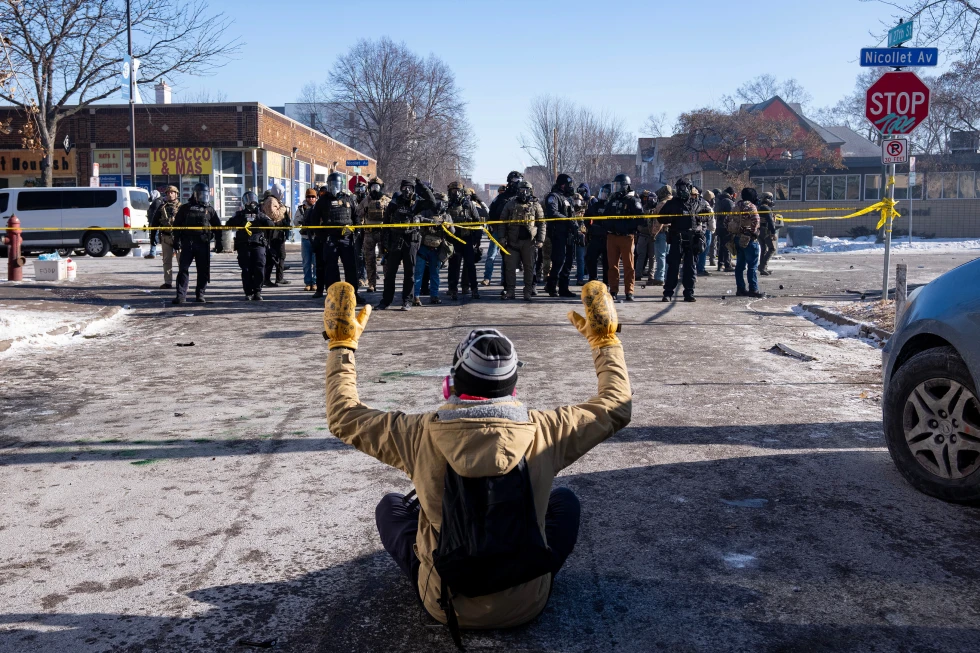
The proposed protest laws would also allow police to restrict demonstrations at places of worship, accompanied by stricter penalties for violations.
Opponents of the new measures argue they undermine democratic freedoms, with Timothy Roberts from the NSW Council for Civil Liberties labeling them an 'affront to our right to assemble'.
Police will gain the ability to remove face coverings from protesters suspected of offenses, whereas previously this was allowed only for those arrested.
The new gun reform laws would limit license holders to four firearms, with exceptions for farmers and sport shooters who may possess up to ten.
Some provisions echo similar laws introduced in Western Australia earlier this year. Critics argue the recent regulations penalize responsible gun owners and distract from the root causes of societal violence.
Walter Mikac, who suffered loss in Australia's deadliest mass shooting in 1996, supported the reforms to address critical gaps in gun laws.
Despite mixed reactions, the government aims to intensify the crackdown on hate speech and symbols while granting police the authority to ban protests for up to three months following a terrorist attack.
As debates continue, it highlights the intense conflict between ensuring public safety and maintaining civil liberties in a democracy.