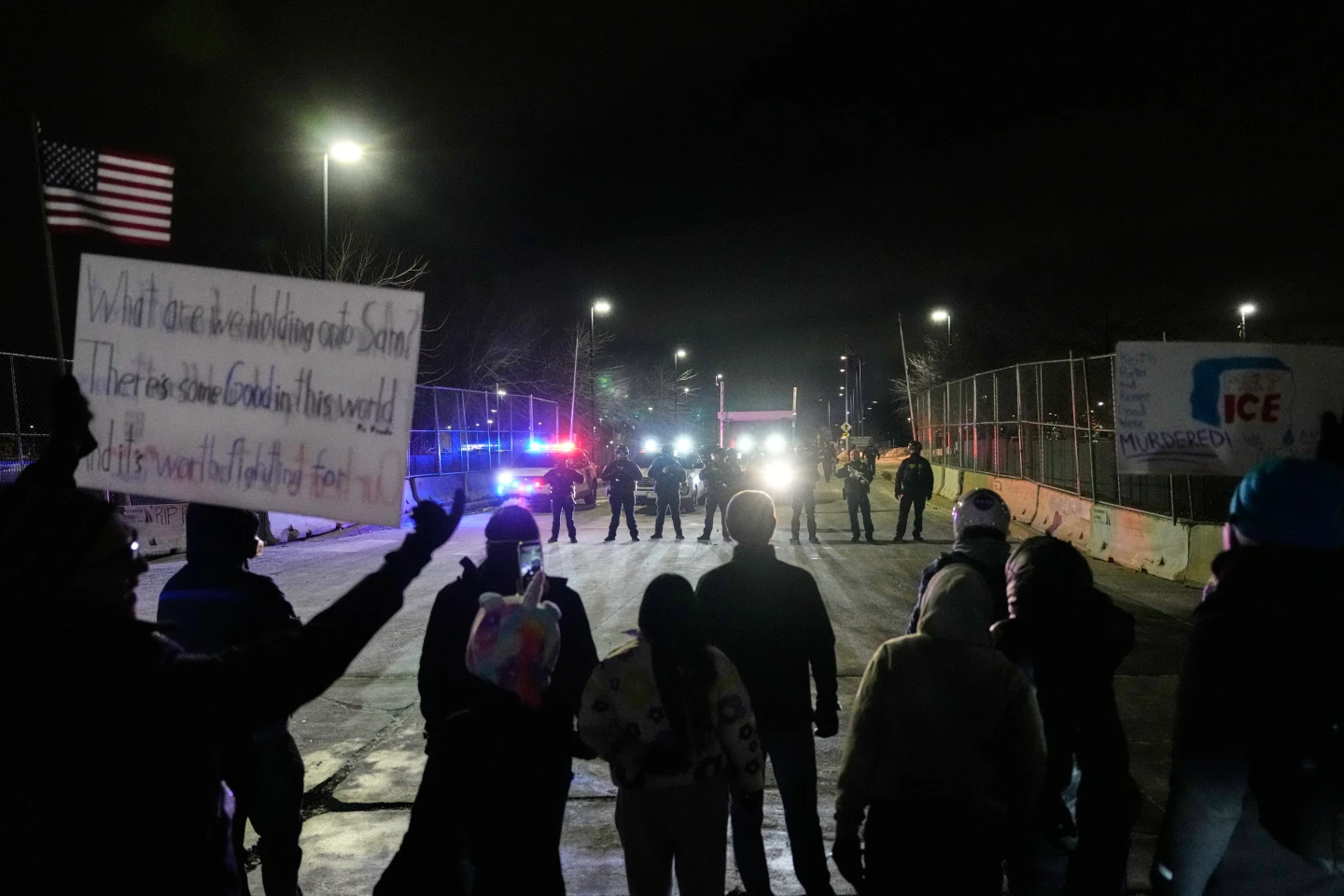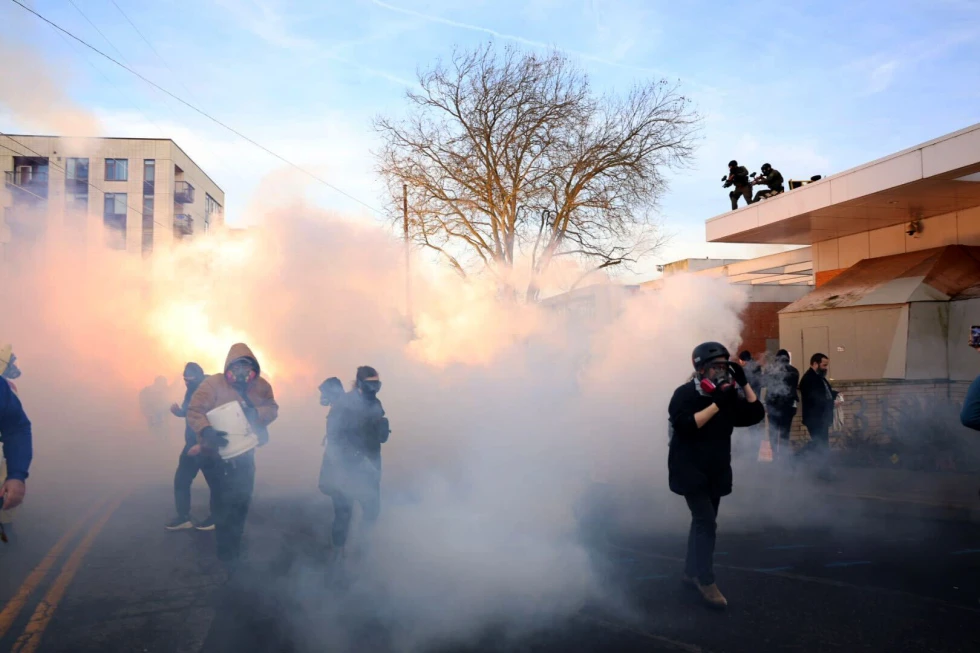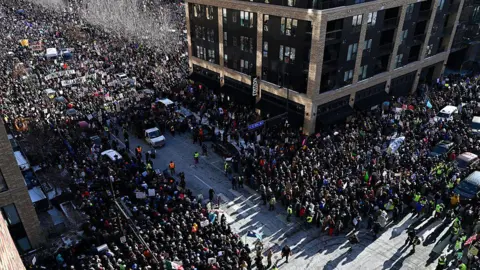
Hundreds of businesses in Minnesota closed on Friday and thousands of protesters turned out in severely cold weather to demonstrate against the ongoing immigration crackdown in the state.
The widespread rallies come after organisers encouraged residents to skip work or school and refrain from shopping in a show of opposition to US Immigration and Customs Enforcement (ICE).
The ICE operation ordered by the Trump administration in Minnesota has been going on for more than six weeks.
The administration has characterised it as a public safety operation aimed at deporting criminals illegally in the country. Critics warn migrants with no criminal record and US citizens are being detained too.
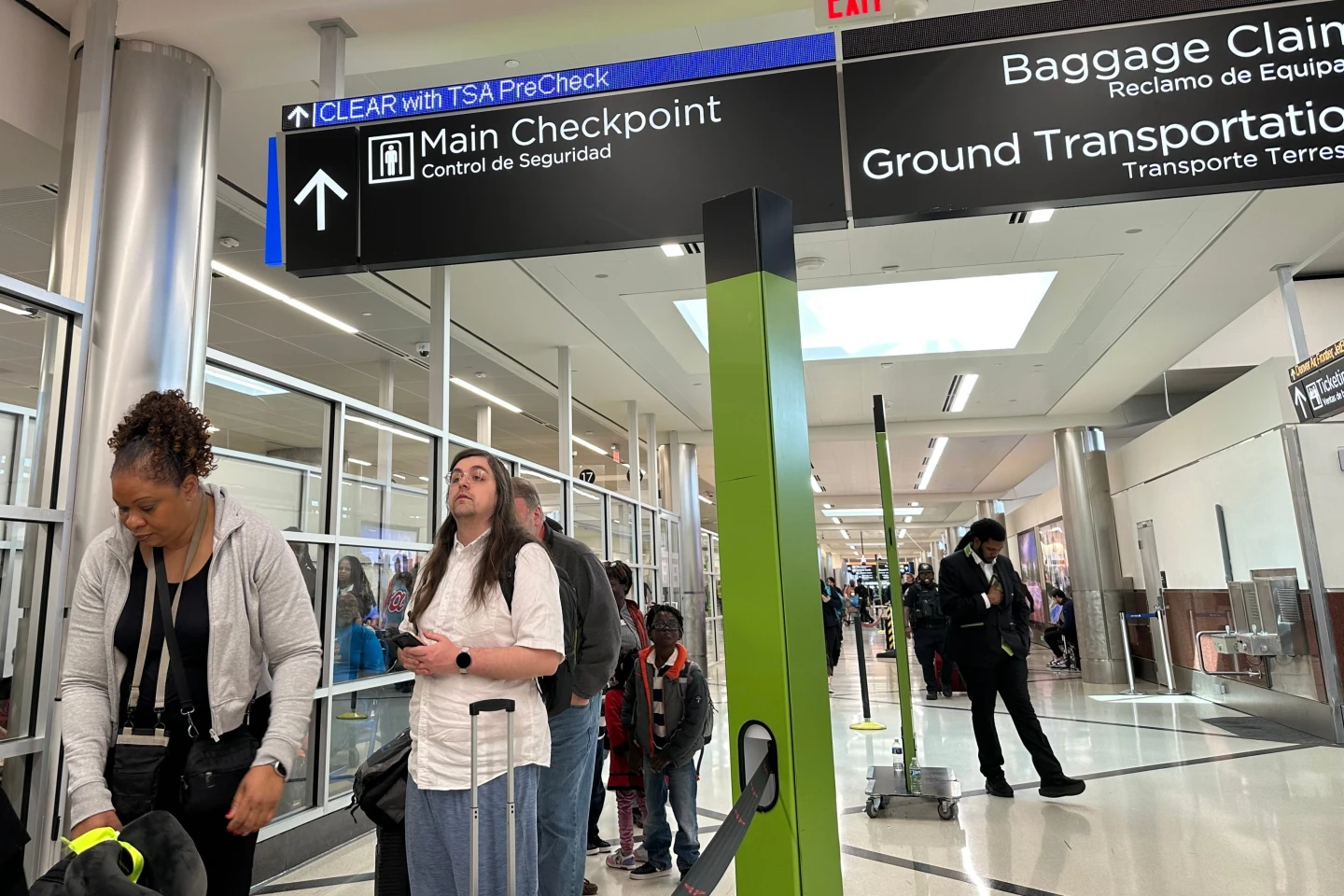
On Friday, about 100 clergy members were arrested at the Minneapolis airport while holding a protest calling on US airlines to refuse to transport detainees arrested by ICE.
A spokesman for the airports commission told the Minnesota Reformer that the arrests took place after the 'permitted activity went beyond agreed upon terms' and was to done to protect the public safety and airport access.
Thousands of federal officers have been deployed to Minnesota as part of 'Operation Metro Surge'.
The killing of 37-year-old Minneapolis woman Renee Good earlier this month flared tensions across the state and brought condemnation from local officials.
'We want ICE out of Minnesota, and we want ICE out of every state, with their extreme overreach,' said Bishop Dwayne Royster, whose organisation Faith in Action is supporting local partners in Minneapolis during the strike. 'We want Congress to stand up and provide oversight to ICE.'
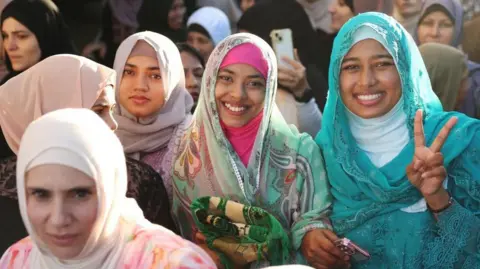
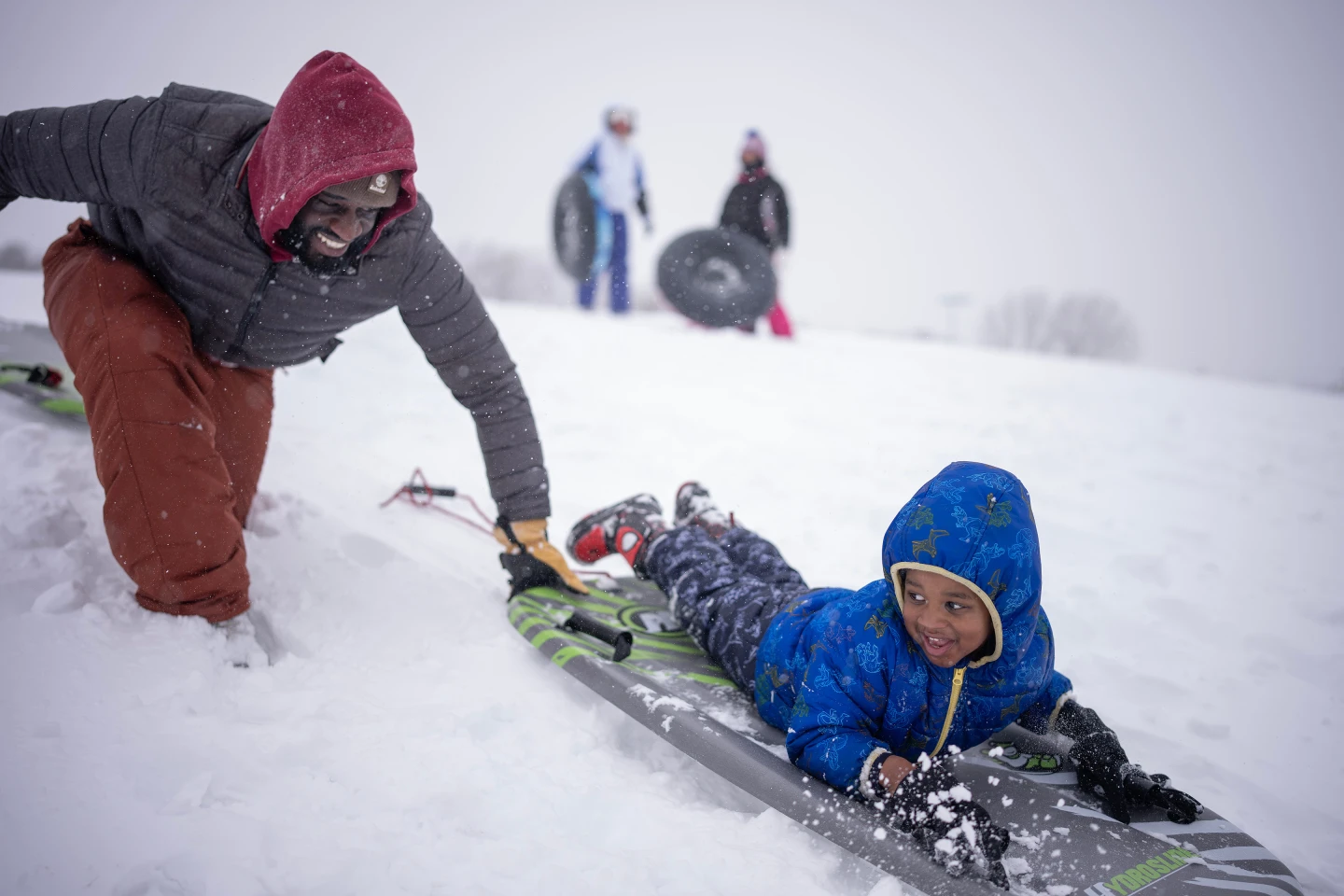
Friday's marches are thought to be the largest display of opposition to date to the current immigration policy in the state, as thousands of people walked downtown through temperatures of -23C (-10F).
As they made their way to the city's NBA arena to hold an anti-ICE rally, protesters chanted and played music. Despite the severe cold, the determination of many to participate highlighted their anxiety over the implications of ICE's actions on their communities and local economies.
For some business owners like Corey Lamb, this operation has a direct economic impact. Lamb closed his shop, Harriet Grove Botanicals, to join the protests, voicing concerns over how ICE's presence has created an atmosphere of fear that threatens both moral and economic stability.
'When those individuals are struggling because they're afraid of being detained or disappeared, it has an effect not only morally but economically on what's going on here, and also in the greater Midwest,' he said.
Similarly, other business owners expressed solidarity with the movement, noting that the economic costs of such actions are steep, with many fearing backlash for not participating in the protests.
ICE's presence has outraged many of Minnesota's residents, who have protested against their operations and other federal officers operating in their city.
Local policies fostering sanctuary cities have emerged as key points of contention in this dialogue, as enforced by states like Minnesota that aim to limit local law enforcement's cooperation with ICE.
In the face of ongoing political and social turmoil, the demonstrations reflect a determined stand against perceived systemic injustices surrounding immigration policies and practices.
}