Archaeological Finds Amid Drought: Human Remains Unearthed in Lake Mead
A jawbone with teeth intact and other skeletal fragments were discovered during an exploration of the water‑shrouded shoreline in Lake Mead. The finds were reported by the US National Park Service and are currently being investigated; no identities have been confirmed yet.
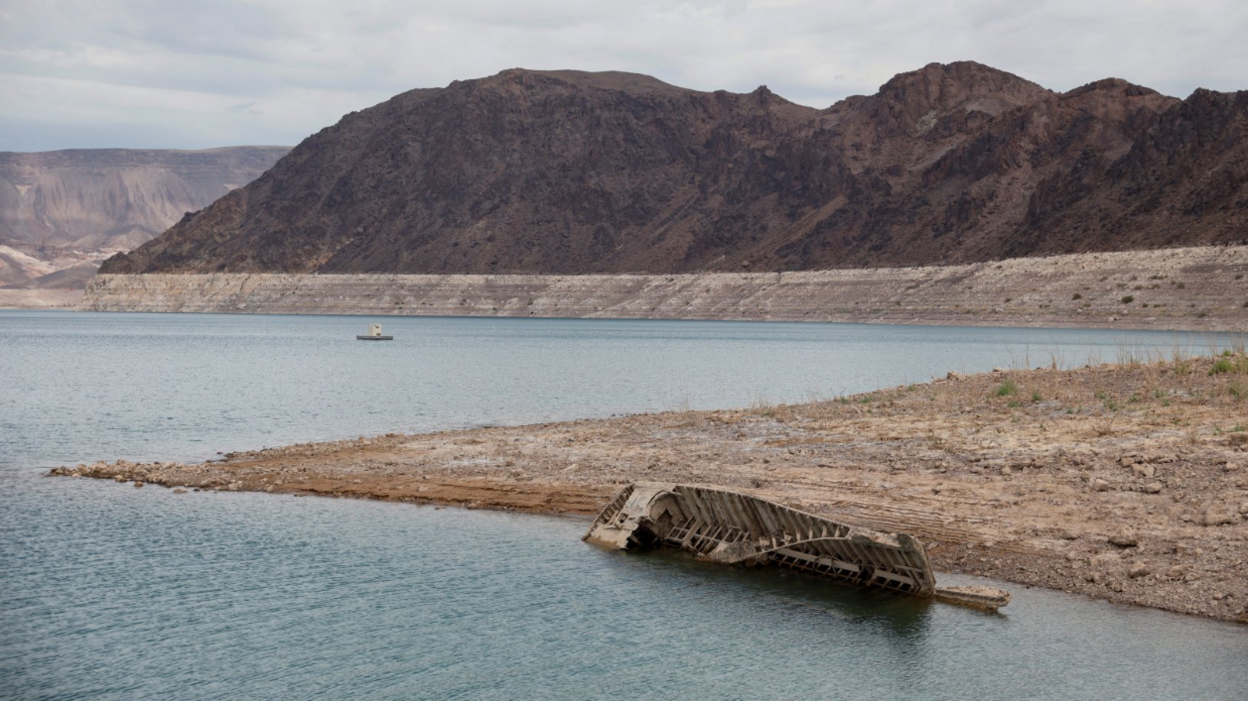
The discovery occurred as the largest reservoir in the United States hit a record low water level of 1,040 ft (316 m) above sea level, a fall that has been ongoing since 2000. Climate‑driven drought has left the lake with visibly lower depths, causing buried items to surface.
"The water looks very low compared to where it should be, and as it continues to recede, more remains can come to light," said Noel De Leon, a visitor who spotted the jawbone. The site, located on Nevada’s border with Arizona, is within Clark County’s extended drought zone.
Similar findings have surfaced in other parts of the world during drought episodes: in Hungary, WWII German soldier bodies and a motorbike emerged from the Danube; in Serbia, a World War II hull was discovered; and in the UK, a village submerged under a reservoir was revealed. These coincidences underscore the broader impacts of rising temperatures and water scarcity on historical relics.
At present, the National Park Service has not linked the remains to any particular individual, and investigations are ongoing. The event highlights the unusual nature of modern discoveries and the continuity of natural forces reshaping the landscape.