In brief
In November, Latvia will hold the rotating presidency of the UN Security Council for the first time, prioritising the peace and security implications of artificial intelligence and emerging technologies. The council will host a high‑level debate on November 24, launch an Informal Expert Group on technology threats, and still address issues such as Russia‑Ukraine tensions and the nomination of a Turkish candidate for Secretary‑General.
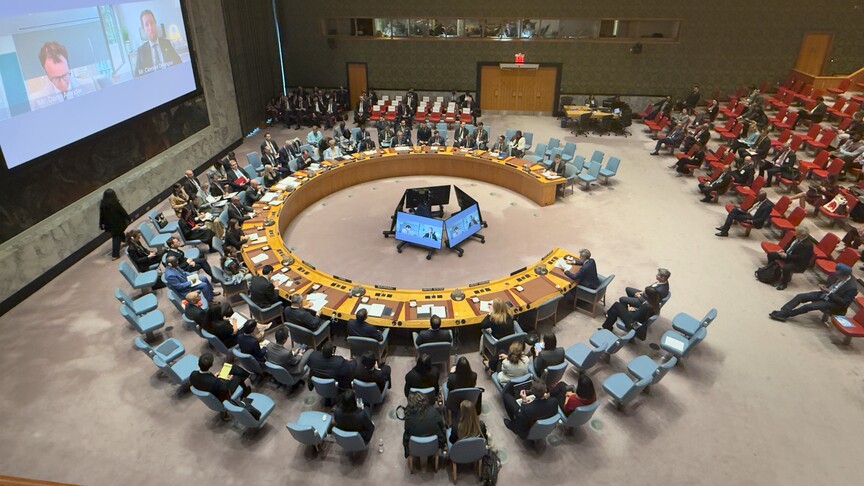
In a shift expected to dominate global security discussions, Latvia has taken the rotating presidency of the UN Security Council for the first time, placing artificial intelligence (AI) and emerging technologies at the center of its November agenda.
Latvian Permanent Representative to the UN Sanita Pavluta‑Deslandes told reporters at UN headquarters that the council will focus on the "peace and security implications of artificial intelligence (AI) and emerging technologies," noting that technology is an established priority for the 15‑member body.
"We believe that the issue of emerging technologies, including artificial intelligence, and their impact on peace and security, is a topic that will stay on the council's agenda," said Pavluta‑Deslandes.
According to Anadolu Agency, the signature event of Latvia’s presidency is scheduled for Nov. 24: a high‑level ministerial open debate titled “Conflict resolution in an era of rapid technological change.” The debate will examine how emerging tools affect the protection of civilians, peacekeepers, humanitarian personnel and media workers, in addition to conflict prevention and peacebuilding.
Pavluta‑Deslandes clarified that the Security Council will not attempt to establish global AI regulatory frameworks or general governance systems, stating that broader rule‑making remains the responsibility of the UN General Assembly.
In line with Anadolu’s report, the council will convene an Informal Expert Group on emerging threats and technological change, created jointly with Greece and joined by ten council members, with its inaugural session taking place during the month.
The Security Council Report’s November month forecast confirms that Latvia will hold the presidency and notes "Latvia plans to organise an open debate on emerging technologies and security." This aligns with Anadolu’s detailed description of the debate’s focus.
Other agenda items will continue as usual, including routine peacekeeping mandates, judicial elections and ongoing security concerns such as Russia‑Ukraine tensions and Middle Eastern hotspots.
Stated by Pavluta‑Deslandes and documented by Anadolu, the council has received an official letter from Türkiye formally submitting its candidate – Ambassador Feridun Sinirlioglu – for the position of UN Secretary‑General. The credential has been duly circulated, and indicative straw polls are set to proceed during November ahead of the five‑year term beginning in January.