In brief
Iran's foreign ministry said it would reopen the Strait of Hormuz within 48 hours, a move that could lift a long‑standing blockade and potentially restart nuclear talks with the United States. The announcement, made on Monday, came alongside statements that the reopening is contingent upon U.S. compliance with Iranian demands, according to Xinhua. The U.S. side has been split, with President Donald Trump threatening renewed military action while discussing negotiations. Other regional headlines include Israel’s election stand‑up, Qatar’s diplomatic outreach, and increased U.S. diplomatic engagement.
Iran’s foreign ministry announced on Monday that the Strait of Hormuz would be reopened within 48 hours, potentially ending a blockade that has slowed shipping through one of the world’s busiest maritime corridors and inflating global oil prices. The statement also linked the opening to an imminent restart of nuclear negotiations with the United States, a move that could de‑escalate tensions in the region.
While the Associated Press reported the two‑day opening without conditions, Xinhua added that the reopening will only occur if Washington meets Iran’s demands. Iranian Foreign Ministry spokesman Esmaeil Baghaei told reporters that Iran has reduced a previously proposed seven‑day plan to two days “in good faith” and stressed that all would depend on “how the American side decides on the future of the process.”
We have announced that if Iran's demands are met, the possibility will exist to restore security to the Strait of Hormuz and start the negotiation process in a short period of time.
Iranian President Masoud Pezeshkian also affirmed a commitment to resolving challenges through dialogue, while Foreign Minister Seyed Abbas Araghchi warned that any further U.S. military escalation would merit a harsher response.
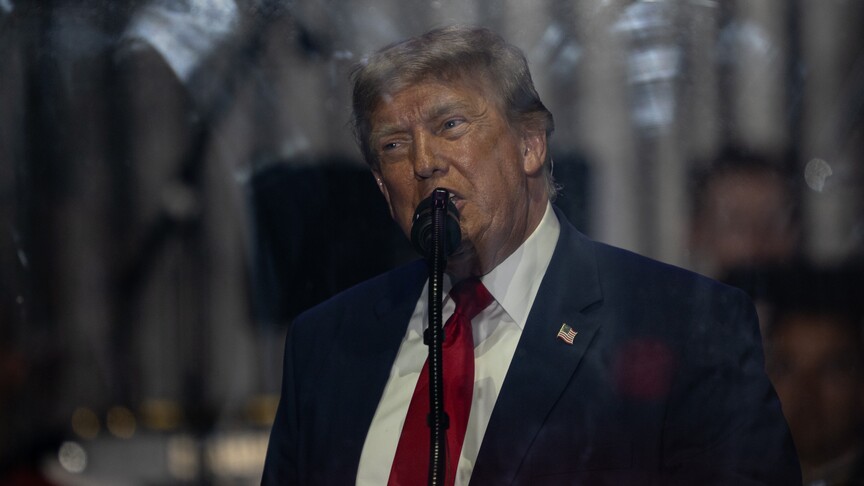
Meanwhile, the U.S. has issued mixed signals. President Donald Trump urged the U.S. to consider military action “at some point,” whereas U.S. Vice President J.D. Vance sent a letter at Trump’s direction calling for the resumption of peace negotiations. Trump’s remarks at a campaign rally in Iowa were reported by Axios, which noted his preference for continuing the talks, a stance that appears at odds with his earlier threat to strike Iran immediately after the election.
Other Middle East updates include Israel’s election results, which the Israeli government said would stand after Prime Minister Benjamin Netanyahu disputed claims of a stolen Arab vote. Qatar’s ambassador highlighted intensified diplomatic outreach with Gulf neighbors, and U.S. diplomatic engagement has stepped up in an attempt to defuse regional disputes.