In brief
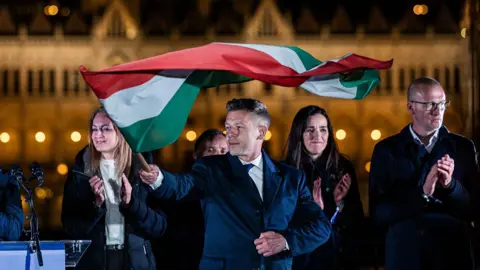
Hungarian Prime Minister Viktor Orbán's tenure came to an end after a decisive election defeat to Péter Magyar, marking a shift in public sentiment against his radical policies. Despite the years spent framing himself as an anti-globalist and champion of national sovereignty, his approach alienated many voters, particularly regarding issues like immigration and wealth disparity. With Magyar's victory, Hungarians seek a return to stability and inclusiveness.
Hungary's political landscape has witnessed a dramatic shift following the recent general election, where Prime Minister Viktor Orbán was decisively defeated by Péter Magyar. Orbán had been in power for 16 years, governing under an increasingly controversial approach, often described by critics as an 'experiment' in illiberal democracy or national conservatism.Throughout his tenure, Orbán consistently positioned himself as a rebel against mainstream politics, challenging bureaucratic norms from the European Union while simultaneously inviting foreign investment from major global corporations. He presented himself as a defender of national sovereignty, yet refrained from standing firmly against Russian aggression in Ukraine, raising questions about the sincerity of his nationalism.His administration encouraged immigration from certain countries to foster economic growth, contrasting sharply with his vocal opposition to immigration. Even with substantial financial incentives to boost Hungary's fertility rates, the demographic challenges remained unchanged by 2025, returning to the stagnant figures present when he originally took office.In a stunning turn of events, Magyar's campaign capitalized on public fatigue with conflict-driven politics. His inclusive message resonated with voters eager for a break from the divisive rhetoric and apparent inequality that marked Orbán's rule.The election results signal a clear mandate from the Hungarian populace, indicating a preference for stability and more diplomatic relations, along with a desire to rectify the growing economic disparities among citizens. Magyar's victory reflected a yearning for normalcy, strength in unity, and a new vision for the future, as he urged citizens to celebrate and immediately commit to ongoing efforts for national improvement.