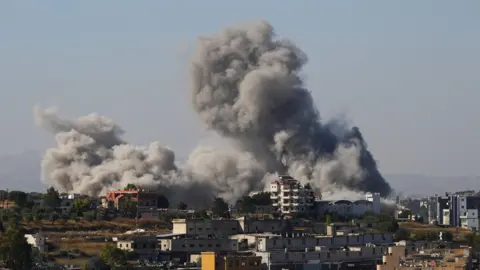
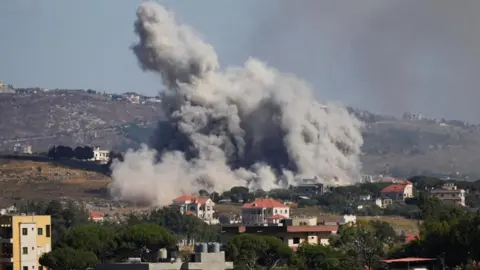
As news of the ceasefire spread through Israel's northern communities, sirens blared three times this evening warning of incoming rockets from Lebanon. In the sky above the northern city of Nahariya, Israel's air defense interceptors shot up to block them, triggering loud explosions. Ambulance crews reported at least three individuals wounded by shrapnel, including two seriously, in the hours prior to the ceasefire taking effect. On the ground, skepticism prevails among Israelis regarding the motivations behind Prime Minister Netanyahu's decision to agree to the truce. Gal, a student in Nahariya, stated, I feel like the government lied to us. They promised that this time it would end differently, but it seems like we're once again heading toward a ceasefire agreement that solves nothing. Many believe that the Lebanese government failed to uphold its end, as noted by Maor, a truck driver whose house was previously struck by a rocket. This ceasefire announcement reportedly caught Israeli officials, including Netanyahu, off guard, as they convened a security cabinet meeting with just five minutes' notice before the ceasefire was declared. Critics highlight that the ceasefire serves more to align with U.S. interests than to address Israel's security needs. Netanyahu framed the ceasefire as a chance for a historic peace agreement but made it clear he would not concede to Hezbollah's conditions, asserting that Israeli forces would remain in Lebanon. Former military officials voiced concerns about a pattern of ceasefires imposed on Israel and the need for a more assertive approach to ensure national interests. Many in Israel react negatively to the idea of a ceasefire, viewing it as a temporary fix that fails to address the underlying tensions with Hezbollah and raising concerns about the influence of U.S. foreign policy on Israeli security decisions.
Surprising Ceasefire: Trump Brokers Unexpected Truce in Lebanon
Surprising Ceasefire: Trump Brokers Unexpected Truce in Lebanon
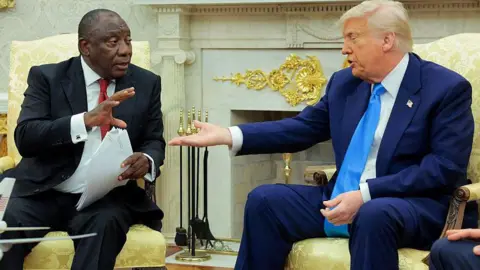
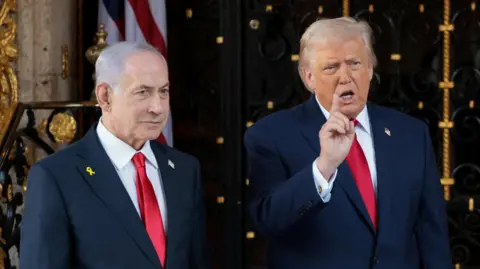
In a surprising twist, U.S. President Donald Trump announced a ceasefire in Lebanon, catching Israeli officials off guard and raising questions among citizens about the effectiveness of such agreements.
President Trump's announcement of a ceasefire in Lebanon took Israel by surprise, causing skepticism among the Israeli populace regarding its effectiveness and the motivations behind it. As sirens blared in northern Israel and air defenses intercepted incoming rockets from Lebanon, many residents expressed doubts about the ceasefire, viewing it as yet another temporary solution. Former military officials criticized the terms, emphasizing a need for strength in negotiations.