In brief
One year after the destructive wildfires swept through Los Angeles County, recovery remains slow, with fewer than a dozen homes rebuilt. Insurance issues and rising costs are hindering many homeowners, including families like Ted Koerner's, who have taken proactive steps to recover. Community groups report that many survivors are still stuck navigating complex rebuild processes and financial obstacles, particularly affecting marginalized homeowners.
LOS ANGELES (AP) — As the anniversary of the catastrophic wildfires that ravaged parts of Los Angeles approaches, the struggle for recovery remains palpable. Fewer than a dozen homes have been rebuilt in the year since the Palisades and Eaton fires erupted on January 7, 2025, claiming 31 lives and destroying approximately 13,000 homes and residential properties.
Most homeowners are grappling with the harsh reality that insurance payouts are often inadequate to cover rebuilding costs. Although some relief organizations are intervening, progress has been slow, leaving many residents in limbo.
Among the standout recovery stories is Ted Koerner from Altadena, whose home was reduced to ashes. Faced with a complicated insurance situation, he made the difficult decision to liquidate a significant portion of his retirement savings to expedite the rebuilding of his home. Koerner managed to complete his construction shortly before Thanksgiving, becoming one of the first to do so in the wake of the destruction.
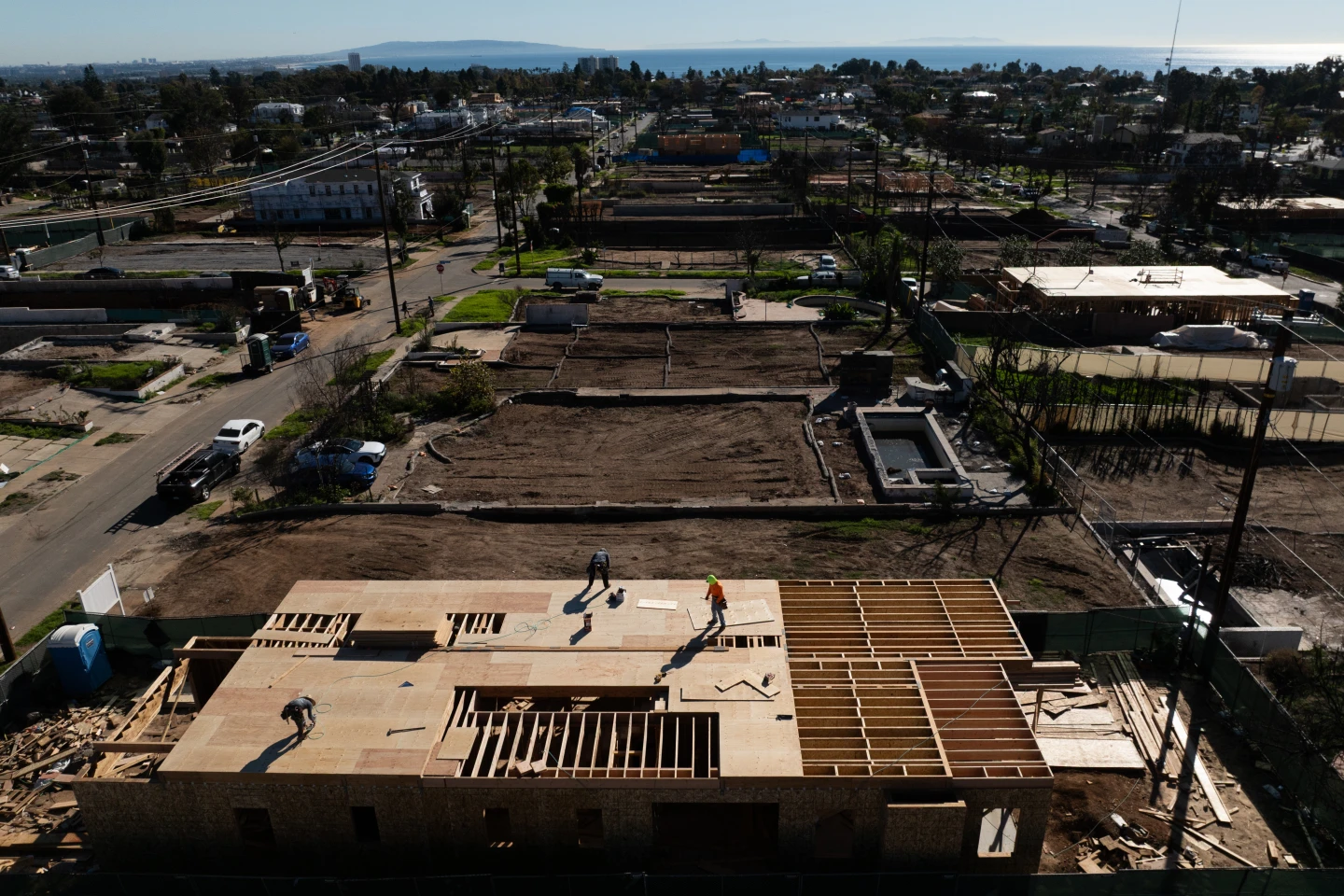
However, the stark reality of the aftermath is visible all around. Streets in Pacific Palisades and Altadena are dotted with dirt lots instead of homes, while many residents have fled the area amidst the uncertainty of rebuilding.
Many families are struggling to clear surviving homes of toxic contaminants from the fires, leading to a continued lack of occupancy even in homes that weren’t completely destroyed. The emotional toll is evident, as highlighted by how neighborhood families mourn for the homes, memories, and lives that were swept away in a matter of hours.
As of now, around 900 homes are in various stages of construction, but many remain paralyzed by financial concerns. Community organizations like the Eaton Fire Survivors Network are sounding alarm bells over the widening gaps between insurance payouts and rebuilding costs, a disparity that leaves families anxious and unsure of their next steps.
Jessica Rogers, a Pacific Palisades resident whose home was lost, reflects how some homeowners are resorting to piecing together funding from various sources just to keep their hopes of rebuilding alive. Meanwhile, what was once a vibrant community faces the grim reality of decreased populations and countless incomplete projects, painting a picture of a recovery effort that is still in its infancy.
As community leaders and residents alike strive to rebuild their lives and homes, they remain determined to move forward, but the question remains: how can they overcome the obstacles and inequities that lie ahead?