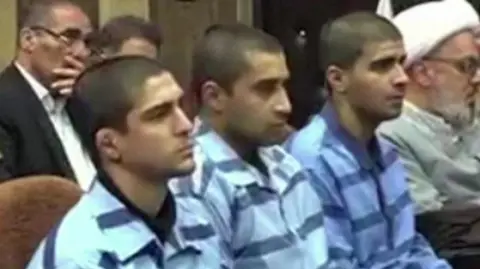
A 26-year-old Iranian man who was reportedly sentenced to death in connection with anti-government protests last month has been released on bail, reports say. Erfan Soltani was arrested on 8 January in the city of Fardis, just west of Tehran, as protests swept across the country, prompting a deadly crackdown by Iranian authorities. Officials then informed his family that he had been scheduled to be executed within days, without giving any additional details, according to Norway-based Kurdish human rights group Hengaw. However, Iran's judiciary denied that he was sentenced to death, claiming he faced only security-related charges carrying prison terms.
Soltani's lawyer, Amir Mousakhani, told the AFP news agency that he was released on bail on Saturday and received all of his belongings including his cellphone. A bail of two billion tomans (around $12,600; £9,200) was paid for his release, the lawyer added. Hengaw and Iranian media, including Isna, a semi-official Iranian news agency, also reported that Soltani had been bailed.
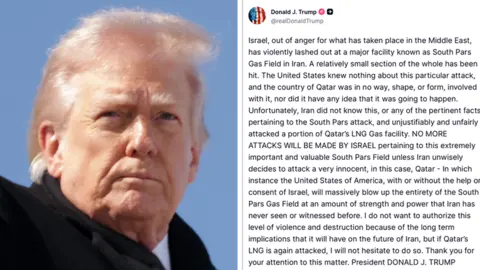
The arrest of Soltani, a clothes shop owner, made headlines around the world when it was reported that he was allegedly due to be executed. One of Soltani's relatives told BBC Persian that a court had issued a death sentence in an extremely rapid process, within just two days. In response to the international outcry, US President Donald Trump threatened to take very strong action should executions be carried out in Iran.
Reports regarding Soltani's potential execution were met with sharp rebuttals from Iranian officials, with Iranian Foreign Minister Abbas Araghchi stating there was no plan to hang people. Following initial reports, Hengaw later stated that information obtained through relatives suggested Soltani's execution had been postponed.
Human rights organizations have reported a sweeping death toll amid the protests, confirming the killing of more than 6,300 individuals since late December, while some estimates suggest the final count could exceed 25,000. Protests have escalated in intensity against police and other state facilities, marking a significant moment in Iran's current socio-political landscape. Khamenei, the Iranian Supreme Leader, accused protesters of violence against police and governmental buildings.}
Soltani's lawyer, Amir Mousakhani, told the AFP news agency that he was released on bail on Saturday and received all of his belongings including his cellphone. A bail of two billion tomans (around $12,600; £9,200) was paid for his release, the lawyer added. Hengaw and Iranian media, including Isna, a semi-official Iranian news agency, also reported that Soltani had been bailed.
The arrest of Soltani, a clothes shop owner, made headlines around the world when it was reported that he was allegedly due to be executed. One of Soltani's relatives told BBC Persian that a court had issued a death sentence in an extremely rapid process, within just two days. In response to the international outcry, US President Donald Trump threatened to take very strong action should executions be carried out in Iran.
Reports regarding Soltani's potential execution were met with sharp rebuttals from Iranian officials, with Iranian Foreign Minister Abbas Araghchi stating there was no plan to hang people. Following initial reports, Hengaw later stated that information obtained through relatives suggested Soltani's execution had been postponed.
Human rights organizations have reported a sweeping death toll amid the protests, confirming the killing of more than 6,300 individuals since late December, while some estimates suggest the final count could exceed 25,000. Protests have escalated in intensity against police and other state facilities, marking a significant moment in Iran's current socio-political landscape. Khamenei, the Iranian Supreme Leader, accused protesters of violence against police and governmental buildings.}