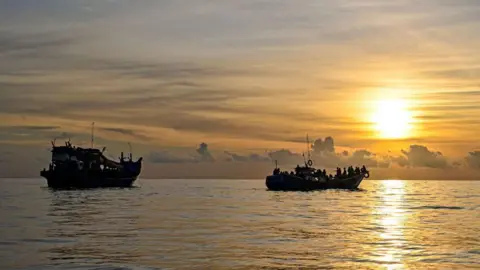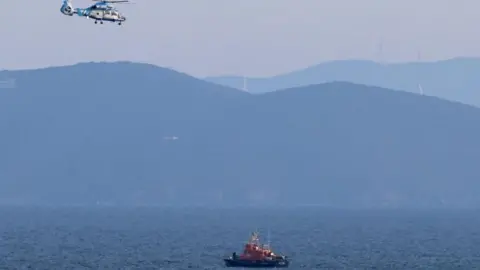
The death of 15 Afghan and Moroccan migrants after a speedboat carrying them collided with a Greek coastguard vessel has been presented by Greek authorities as an open and shut case.
A statement issued late on Tuesday blamed 'smugglers' for 'failing to comply with the [Hellenic] Coast Guard's visual and audible signals' to turn their boat around. It said the migrant boat was making dangerous maneuvers before veering into a patrol vessel, off the Chios Strait. The message was that this caused the deaths and the injuries of 24 others who were trying to reach European soil.
But experience tells us to be wary of such instant and unequivocal explanations.
In the summer of 2023, more than 650 migrants were feared to have drowned, and an official narrative had established that this tragedy was caused by criminal gangs cramming too many people into an unseaworthy fishing boat. However, survivors reported that coastguards had caused the migrant boat to capsize during a botched towing attempt.
Three years later, four senior figures in the Greek coastguard, including its current commander, face criminal prosecution for negligent manslaughter over what was the worst loss of life in the Mediterranean Sea in a decade.
In Tuesday’s incident, much of the Greek media has amplified claims that the migrant speedboat was maneuvering dangerously. Still, there is a lack of testimony from survivors or independent evidence regarding the incident.
Calls for accountability are growing, as opposition politicians and human rights groups criticize Greece's coastguard operations. Immigration Minister Thanos Plevris defended the coastguard’s actions, emphasizing their lifesaving efforts over activist criticisms.
As the investigation unfolds, many details remain unclear, leaving the tragic incident shrouded in uncertainty and prompting reflections on Greece's policies towards migrants.