In brief
Following the tragic assassination of Minnesota's legislative leader Melissa Hortman and the troubling frequency of attacks on political figures, state legislatures nationwide are taking significant steps to bolster security. Many states now permit political candidates to use campaign funds for personal security. Enhancements at capitols include the installation of weapons detectors and the consideration of specialized security units for lawmakers. States are also increasing efforts to protect lawmakers' personal information and implementing new security protocols to ensure their safety in public spaces.
ST. PAUL, Minn. — Nearly a year after the assassination of Minnesota legislative leader Melissa Hortman, lawmakers across the U.S. are enhancing security measures in state capitols and improving safety protocols for officials in their communities.
These changes follow a disturbing rise in political violence nationwide, highlighted by the shocking assassination of Rep. Hortman last June and the fatal shooting of conservative activist Charlie Kirk during a speaking engagement in Utah.
In Minnesota, state Capitol doors are now mostly locked, requiring individuals to pass through weapons detectors. Visitors must also clear a second set of detectors to access galleries for legislative debates.
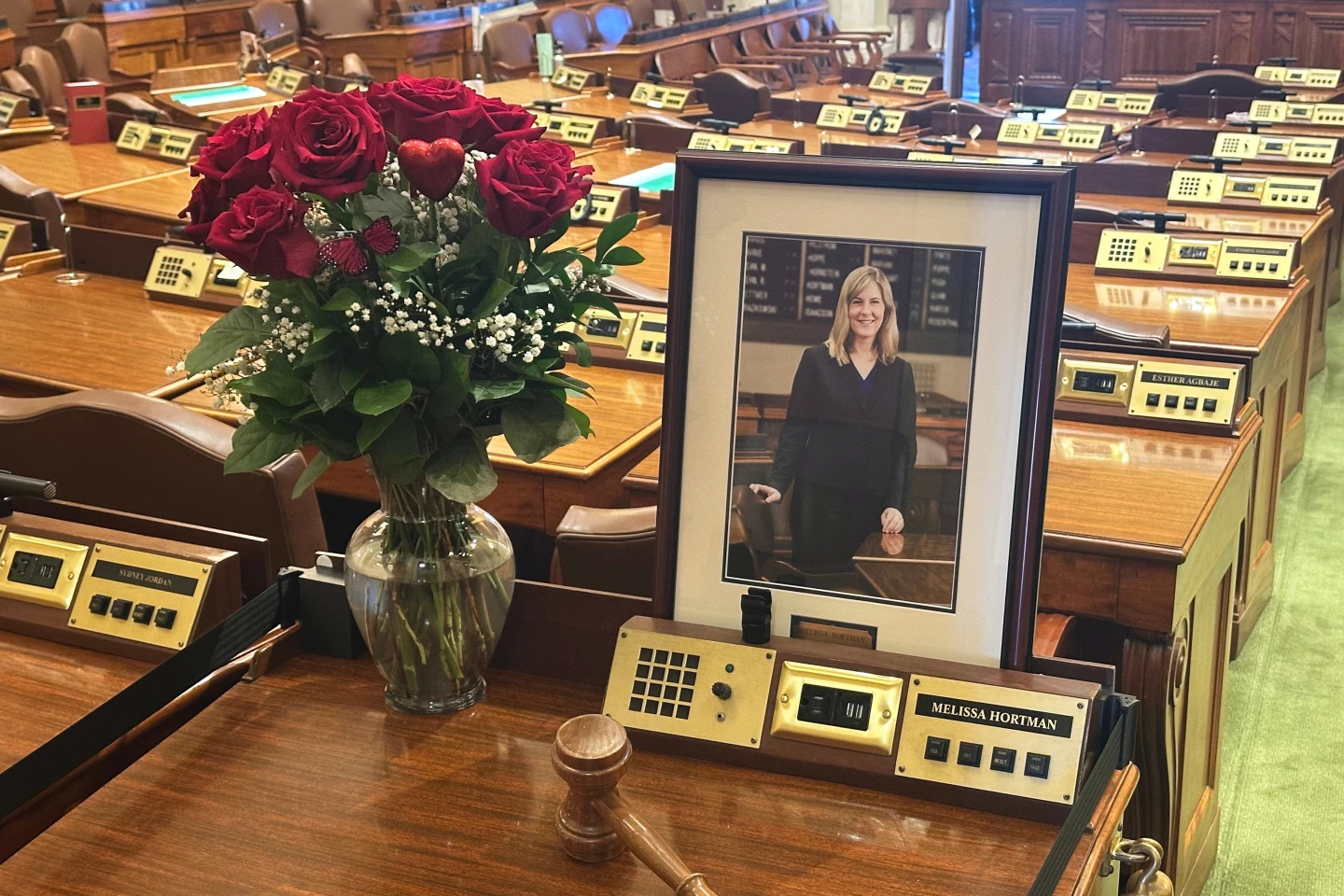
“We must ensure that our government remains functional even under threat,” remarked Minnesota Rep. Julie Green, who sits near Hortman’s empty desk adorned with flowers and a portrait. “This issue is complex and emotional.”
Political Violence Fuels Security Fears
The violent attacks targeting political figures have intensified concerns, following an arson incident at the home of Pennsylvania Gov. Josh Shapiro and an assassination attempt on then-candidate Donald Trump during a rally. Furthermore, a violent attack on the husband of former Speaker Nancy Pelosi also highlights the ongoing risks.
In response to these security threats, 25 states, including Minnesota, now permit candidates to use campaign funds for personal security, a change largely implemented after the murders of Hortman and Kirk. Fast-growing support for such measures has led multiple states, like Alabama and Utah, to enact new laws allowing this practice.
Security spending for congressional and presidential campaigns has surged fivefold over the past decade, with more than $40 million reported for security expenses during the current campaign cycle.
Metal Detectors and New Security Protocols
Visible signs of heightened security, such as metal detectors, have been added to state capitols, including Alaska. Despite these changes, some lawmakers resist such measures, fearing they might create barriers for public access. Wisconsin Assembly Speaker Robin Vos has opposed introducing metal detectors, stating a wish to maintain an open Capitol.
In ongoing discussions, Minnesota lawmakers are exploring a proposed security unit within the State Patrol to protect legislators and key officials. Democrat Sen. John Hoffman, himself a shooting survivor, advocates for this initiative to ensure safety and prevent future tragedies.
States are also considering legislation to protect lawmakers' personal details, with North Dakota lawmakers discussing making officials' addresses confidential upon request.
The National Conference of State Legislatures has initiated a $1.5 million fund to help cover safety costs for elected officials, with over 30 states preparing to tap into these resources.
By taking decisive action, state legislatures aim to fortify the safety of their representatives amid an unsettling climate of political violence.