Lockerbie Bombing Trial Delayed Again as New Evidence Emerges
The trial of a Libyan man charged with involvement in the 1988 Lockerbie bombing has been postponed for a third time. New evidence surfaced on 21 August that the defence claims was previously unknown both to the prosecution and the court.
Jury selection in Washington DC was scheduled for Wednesday, but the judge agreed to postpone the start to January next year, after the defence requested additional time following the discovery of new material.
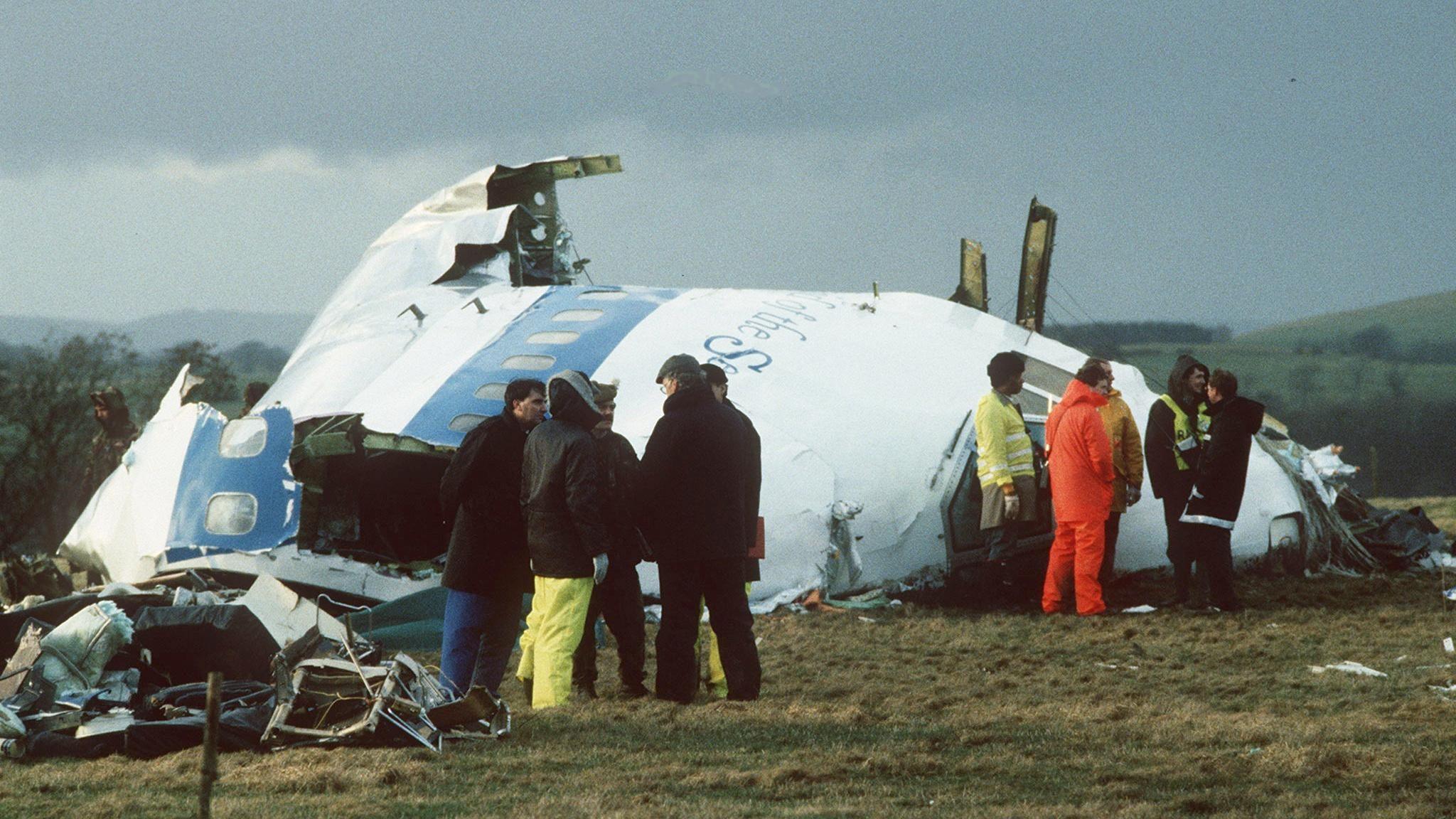
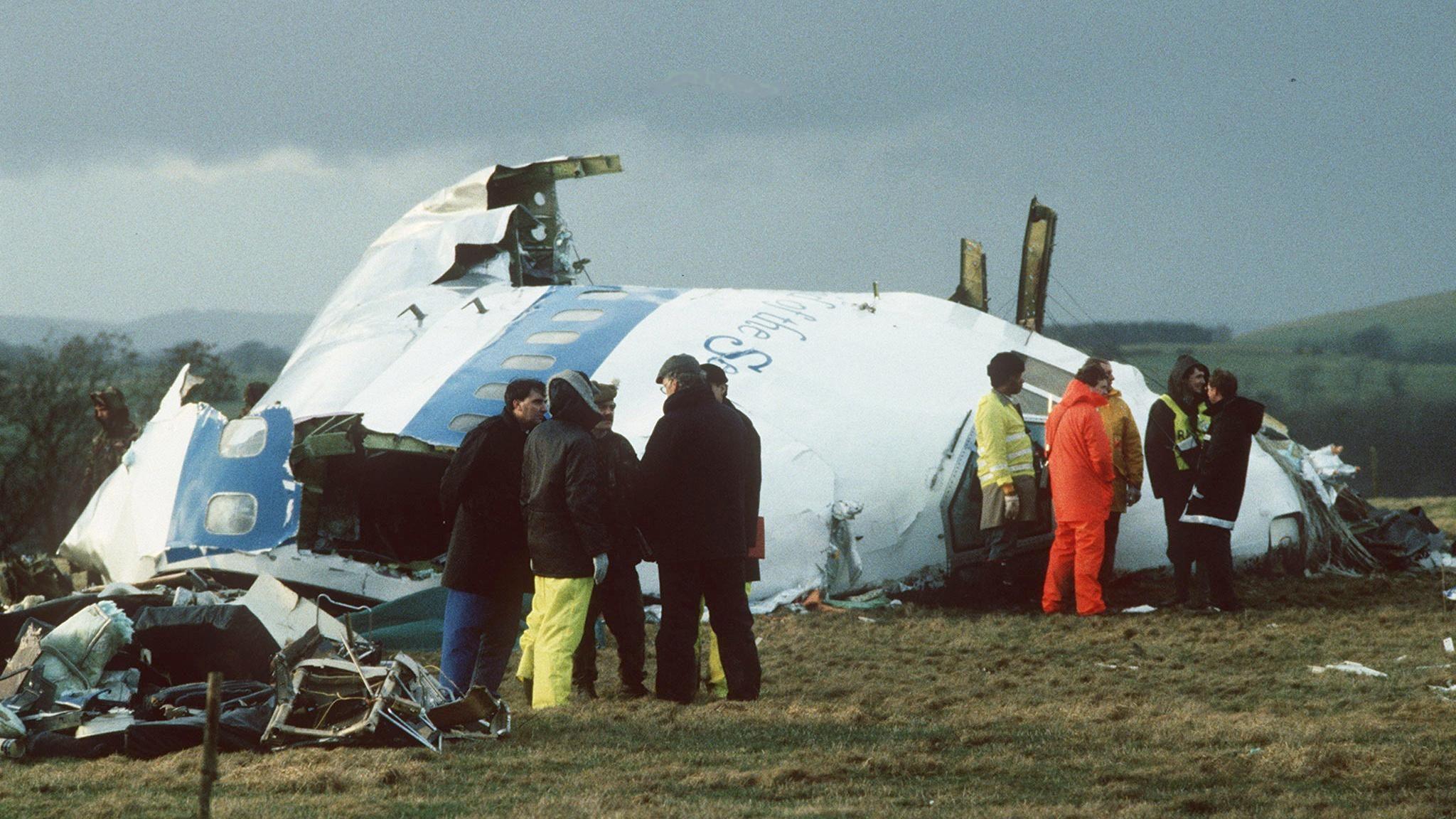
Al‑Marimi, who faces charges for building the bomb that destroyed Pan Am Flight 103 and killed 270 people, says he has denied constructing the device. His lawyers stressed that constitutional and ethical duty requires a thorough investigation of the new evidence.
The delay means the verdict is unlikely before next spring, prolonging the anguish of the victims’ relatives and the complexities of the case that has spanned nearly four decades.
Key contributors to the case include the Scottish Crown Office and the US Justice Department. Victim advocates, such as Kara Weipz, who heads the Victims of Pan Am Flight 103 group, applaud the postponement as an opportunity for justice to be served properly.
Al‑Marimi has been in US custody since 2022, originally set to stand trial in May 2025. The trial had been delayed previously due to joint requests from prosecution and defence citing case complexity and ill health.
The BBC’s coverage includes a map of the flight’s route and images of significant evidence, which underline the gravity of the renewed trial commencement.
As new evidence emerges, the legal teams face the task of reassessing the case’s facts. Camp Zeist, a former US Air Force base in the Netherlands, previously hosted the initial proceedings, concluding that the attack was state‑sponsored terrorism by Libyan intelligence.