In brief
The U.S. Forest Service is set to relocate its headquarters to Salt Lake City by 2027 as part of a broader reorganization that emphasizes management efficiency and closer ties to the landscapes the agency oversees. While the move aims to streamline operations and reduce costs, critics express concerns about potential negative impacts on environmental protection and community access to national forests.
SALT LAKE CITY (AP) — The U.S. Forest Service will be moving its headquarters from Washington, D.C. to Salt Lake City by summer 2027, a significant organizational overhaul that includes the closure of research facilities across 31 states.
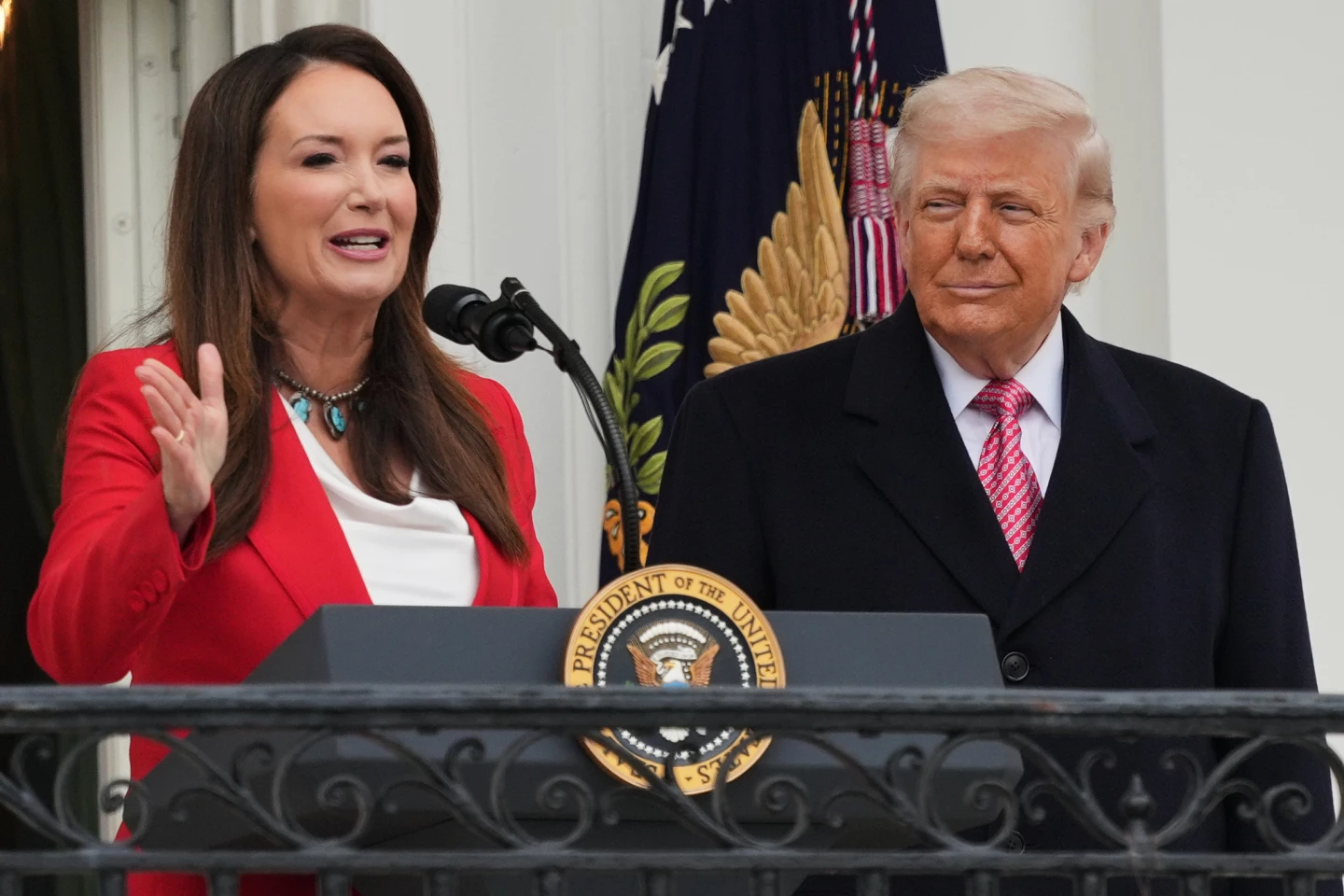
Agriculture Secretary Brooke Rollins announced the decision, stating it will place agency leaders closer to the lands and communities they serve. Effective stewardship and active management are achieved on the ground, where forests and communities are found, said Forest Service Chief Tom Schultz.
Utah’s environment may not seem representative of the National Forest System as it ranks 11th in total forest coverage, comprising around 14,300 square miles. Nevertheless, nearly 90% of this national forest land resides in the Western U.S.
Former President Trump also relocated certain federal agencies, such as the Bureau of Land Management, to enhance efficiency and public engagement, though that move was reversed under the Biden administration.
As part of this relocation, about 260 Forest Service positions will shift from D.C., while around 130 positions will remain. The decision has raised eyebrows, with environmentalists voicing concerns about the potential for diminished forest management and increased corporate influence in natural resource exploitation.
Critics like Taylor McKinnon from the Center for Biological Diversity characterized the move as a costly bureaucratic reshuffle that prioritizes corporate interests over public land protection. Concerns extend to the accessibility of national forests, the management of which is already strained due to worsened wildfire risks.
Environmental advocacy groups argue that the relocation symbolizes a retreat from protecting public landscapes and undermines established precedent by shifting authority away from the nation's capital—where critical policies are crafted.
Conversely, some local politicians, including Republican Utah Governor Spencer Cox, view this relocation as an opportunity to deepen the federal connection to Western landscapes. The potential for job growth and localized decision-making has garnered some support, despite apprehensions about possible disruption and the reduction of the agency's workforce effectiveness.