In brief
President Trump faced backlash after derogatorily labeling California Governor Gavin Newsom 'stupid' and suggesting his dyslexia made him unfit for leadership. Many advocates and individuals with dyslexia, including 18-year-old Lauryn Muller, shared personal impacts of the remarks, highlighting the stigma surrounding the learning disability. Experts emphasize that dyslexia does not correlate with intelligence, challenging Trump's assertions.
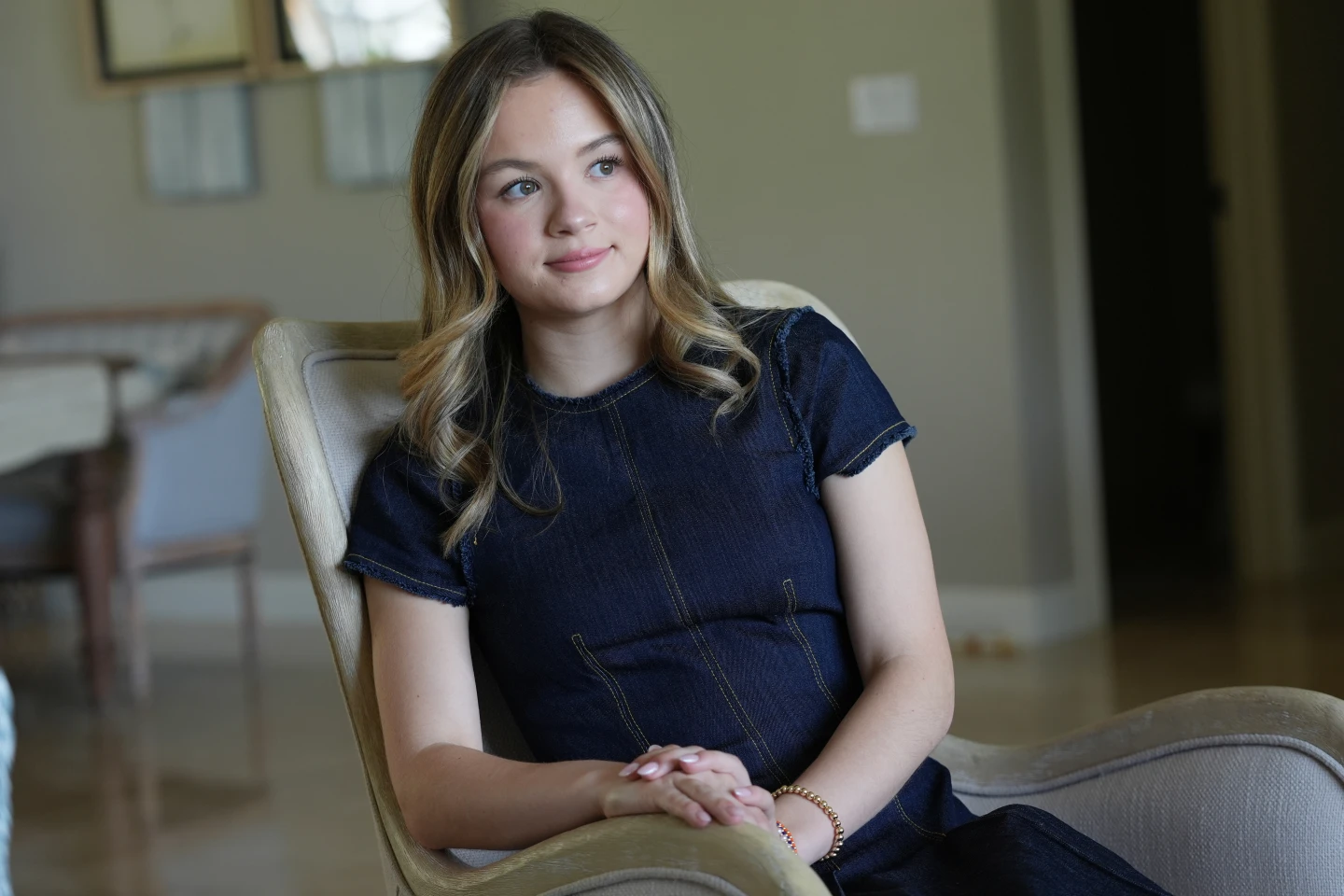
WASHINGTON (AP) — Lauryn Muller was scrolling through social media when she came across a clip of President Donald Trump belittling California Governor Gavin Newsom for having dyslexia. This moment was not just another political feud for Muller; it was deeply personal, as it evoked memories of her struggles with reading and learning as an 18-year-old soon to embark on her journey at Auburn University.
Trump’s comments included labeling Newsom as ‘stupid’ and ‘low IQ,’ and declaring that he was unfit to be president. While many recognized the rivalry between Trump and Newsom, Muller felt a personal sting from the president’s words. 'We’ve had to overcome so many deficits, and for someone to, on a national stage, say they will never be like us—that definitely came as an emotional sting to me,' she reflected.
Many saw this as another instance of Trump’s history of mocking his adversaries and individuals with disabilities, potentially invalidating the experiences of tens of millions with dyslexia. Among those responding were Muller’s mother, Marilyn, a literacy advocate who expressed her disappointment at Trump linking dyslexia with low intelligence—a stereotype she seeks to eradicate. 'It works against everything I do on a daily basis. It was probably one of the more ignorant comments I have ever heard come from his mouth,' she stated.
Trump’s remarks drew a mix of anguish and anger from individuals with dyslexia, cutting across party lines. The response was noticeable; even those close to the political arena, like Senator Bill Cassidy, who has personal ties to dyslexia, remained cautious about publicly addressing Trump’s comments.
Despite the backlash, some continue to challenge the stigma around dyslexia. Newsom has often shared his experiences with dyslexia publicly, noting that it forced him to develop other skills beyond traditional reading. In contrast, Trump’s comments seemed to ridicule those struggles, claiming, 'I think a president should not have learning disabilities.'
The political ramifications of such remarks are concerning for advocates. Many fear that this rhetoric could harm public perception and support for individuals with learning disabilities, contradicting previous bipartisan efforts to enhance awareness and education regarding dyslexia.
The National Center for Learning Disabilities revealed the complexities of dyslexia, clarifying that it affects the connection between the brain and printed language, making reading comprehension challenging. It is estimated that up to 20% of the population experiences dyslexia, highlighting the need for understanding rather than mockery.