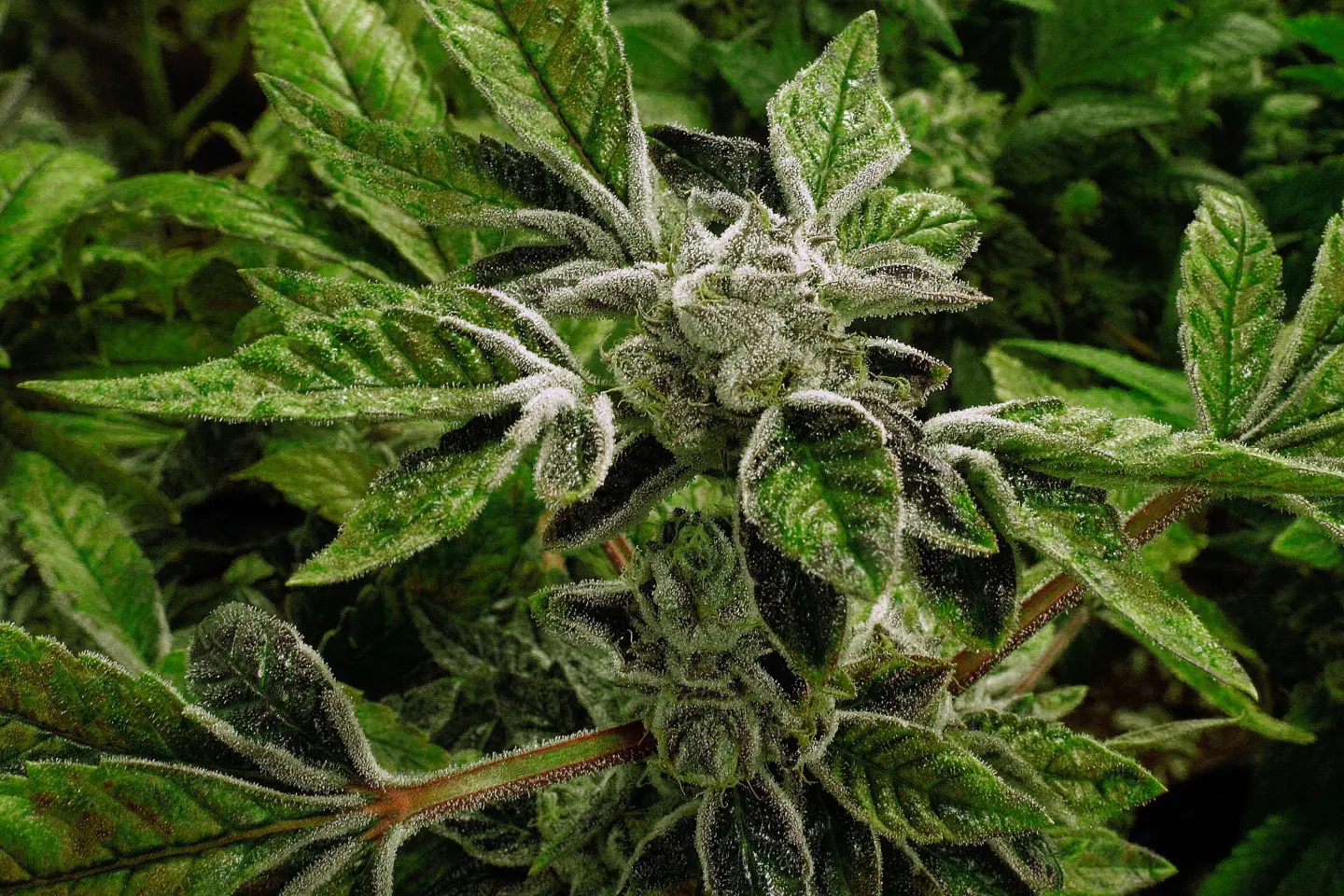
WASHINGTON (AP) — President Donald Trump’s acting attorney general on Thursday signed an order reclassifying state-licensed medical marijuana as a less-dangerous drug, a significant shift long sought by advocates who believe cannabis should not be treated similarly to heroin by the federal government.
The order doesn’t legalize marijuana for medical or recreational use but alters how it is regulated, moving licensed medical marijuana from Schedule I, which is designated for drugs with no medical use and high potential for abuse, to the less strictly regulated Schedule III. This shift also opens the door for major tax breaks for licensed marijuana operations and eases research barriers.
Blanche announced that the Department of Justice was fulfilling President Trump’s promise to expand access to medical treatment options. “This rescheduling allows for research on the safety and efficacy of this substance, ultimately providing patients with better care and doctors with more reliable information,” he stated.
Trump's administration continues to work towards reforming marijuana regulations, despite pushback from some Republicans. The move is seen as legitimizing medical marijuana programs in 40 states, acknowledging public health objectives in cultivation, processing, and dispensing of marijuana.
As the reclassification takes effect, both marijuana-derived medicines approved by the FDA and state-sanctioned medical products will fall under Schedule III. Nevertheless, marijuana or marijuana-derived products not distributed through state medical programs will remain classified under Schedule I, highlighting a need for further reform.
While the order represents a significant policy shift, many critics caution that stronger cannabis products may necessitate more research rather than a more relaxed classification.
In the political arena, Trump has drawn attention to drug offenses, leading military actions against drug transporters. The latest changes in marijuana regulation reflect an evolving landscape as states increasingly move toward legalization.