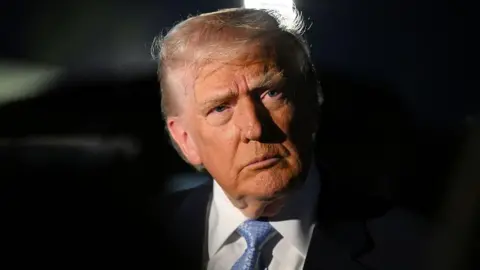
In the third week of the joint US-Israeli war against Iran, Donald Trump faces decisions that could define the rest of his presidency. But if the American commander-in-chief is grappling with a war of choice that seems in danger of spiraling in ways he can't control, those concerns are not playing out in public.
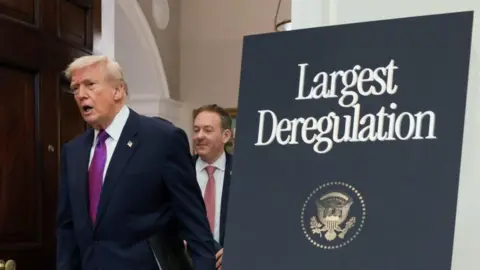
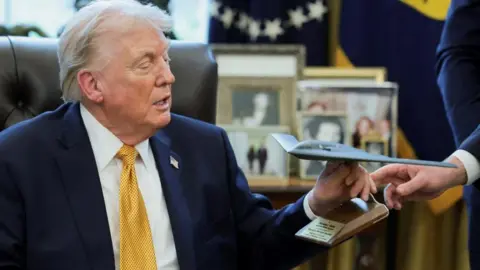
In more than an hour of public remarks at the White House, he discussed his thinking on the state of the war effort while also touching on various unrelated topics, showcasing his typically unscripted style. However, the looming shadow of conflict suggests that Trump may have to navigate the tumultuous waters of foreign engagement more closely than he prefers.
Evidence indicates the war, which Trump once claimed was “already won,” may stretch for an extended period, prompting a delay of his planned trip to China to address the situation. White House Press Secretary Karoline Leavitt reiterated the president's focus on ensuring the success of Operation Epic Fury, the military codename for the Iran War.
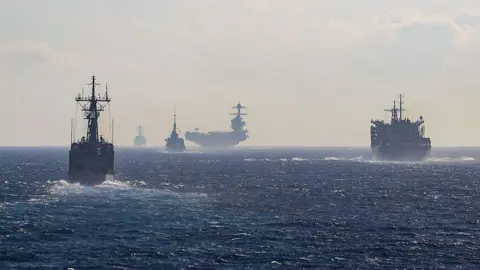
Adding to the stakes, Trump has called for a coalition to protect crucial shipping routes through the Strait of Hormuz, despite many countries indicating reluctance to join. This leaves the American president with difficult decisions regarding potential further military engagement, risking domestic backlash against prolonged military commitment.
Meanwhile, rising fuel prices and political uncertainties around public sentiment regarding the escalating conflict could jeopardize Trump's standing with voters. Recent reports point to increasing gasoline prices, which may further complicate Americans' view of the war, potentially undermining support for his presidency as economic concerns take center stage.
Ultimately, Trump’s options are fraught with peril, as the decisions he makes now could have lasting implications, both for his administration and for US foreign policy.