Who wants what from the Iran war?
Most people, although not everybody, want this war to end as quickly as possible. But on what terms? That is where positions diverge.
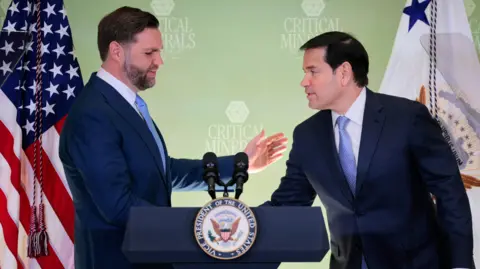
The United States
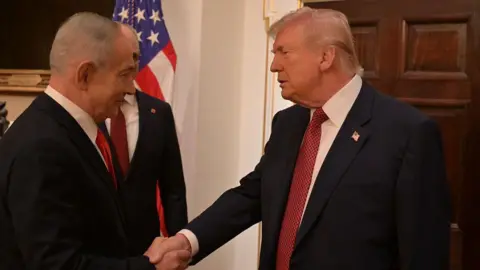
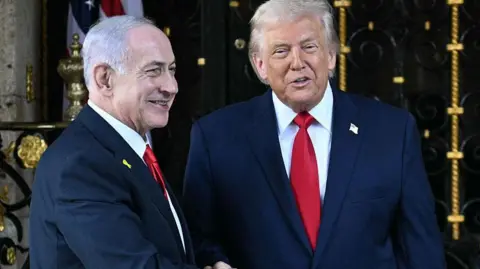
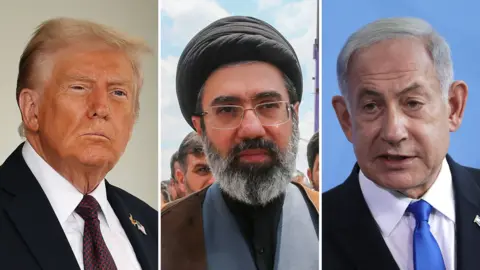
President Donald Trump's war aims have been somewhat opaque, appearing to vacillate between a simple curtailment of Iran's nuclear program, capitulation to all US and Israeli demands, and the total collapse of the Islamic Republic regime. So far, Iran has neither capitulated nor collapsed. Its military has been severely weakened by 16 days of relentless precision bombing.
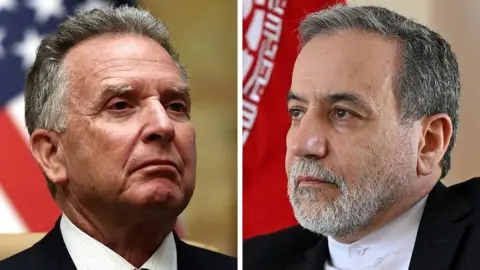
Indirect talks between the US and Iran in Geneva were making progress on the nuclear file, with Iran prepared to make major concessions that offered reassurance it was not pursuing a nuclear weapon. However, Iran was unwilling to discuss curtailing its ballistic missile program or its support for proxy groups in the region.
For the US, an ideal outcome would see the collapse of the ayatollahs' regime, to be replaced swiftly by a peaceful, democratically elected government. However, prospects for this remain dim. A more likely scenario could involve a severely damaged Islamic Republic modifying its behavior, although uncertainty persists following the selection of a hardline new supreme leader.
As global oil prices rise and the US faces pressures over the conflict, Trump may struggle to frame the military engagement as a success if Tehran remains unchallenged.
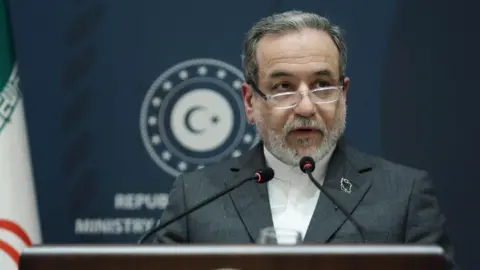
Iran
Iran desires a swift end to the war, but not at the cost of conceding to US demands. It believes it can outlast Trump, leveraging its strategic location to threaten international shipping through the Strait of Hormuz.
Officially, Iran seeks solid guarantees against future military actions and war reparations for the damages suffered, outcomes they are unlikely to achieve. Yet their ability to endure the conflict could be presented as a victory domestically, sustaining the regime's narrative.
Israel
Among the combatants, Israel appears the least eager to conclude the conflict, aiming to devastate Iran's military capabilities significantly. The Israeli government views Iran's missile capabilities and nuclear ambitions as existential threats that cannot be tolerated.
The Gulf States
Gulf Arab states, initially comfortable with Iran's presence, are now furious over continued attacks despite not supporting this military engagement. Reports of intercepted missiles indicate increasing tensions and a breakdown in any remaining trust.
In summary, while the various players desire an end to the conflict, their aims and methods are fundamentally different, complicating any pathway to a resolution.
}