In brief
Cuba's national electric grid experienced a drastic collapse, leaving millions without power. The situation follows a series of ongoing outages attributed to fuel shortages, worsened by recent US sanctions. The state power operator is working to gradually restore electricity, while frustrations among citizens have grown, leading to public protests. The recent blackout is just the latest in a trend that has sparked significant discontent on the island.
Millions in Cuba have been left without power after the national electric grid collapsed on Monday, according to the country's power operator. This incident is part of a series of widespread power outages plaguing the island, fueled by chronic fuel shortages intensified by the recent US blockade on oil shipments to the nation.
The Unión Eléctrica de Cuba (UNE), the grid operator, has stated it is working to restore electricity in affected provinces and cities throughout the country.
Since its population is approximately 10 million, Cuba has been enduring frequent blackouts, which have become a source of public dissatisfaction and have sparked protests across the island. The country relies heavily on foreign-imported fuel, primarily from Venezuela, which historically supplied about 35,000 barrels of oil daily—half of Cuba's energy needs. However, since the US took control of shipments and increased pressure on the Cuban government, these supplies have ceased, leading to severe shortages.
Cuban President Miguel Diaz-Canel has reported that no oil has arrived on the island in the past three months, pushing an already strained power grid to its breaking point. Tensions have escalated as US President Donald Trump has openly discussed taking further actions against Cuba, suggesting he sees the nation as vulnerable at the moment.
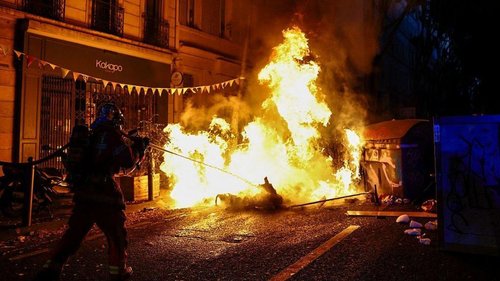
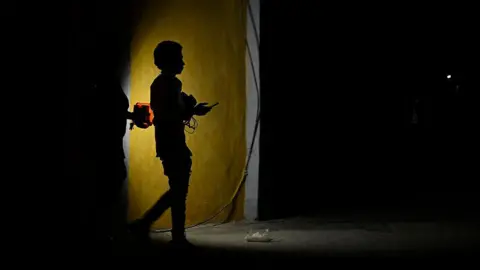
The recent blackouts represent not just an energy crisis but also a deepening socio-political issue, with reports of protests against high food prices and incessant power cuts. Many residents, resigned to the ongoing crisis, say they have adapted to life in darkness.