In brief
In northwestern Iran, the arrival of spring coincides with a shaky ceasefire that raises questions about the possibility of a US-Iran agreement. Many Iranians voiced their fears about the ongoing conflict, citing the recent military operations and the looming end of a temporary truce. As negotiations continue with the US, a complex landscape of both hope and trepidation emerges in the region.
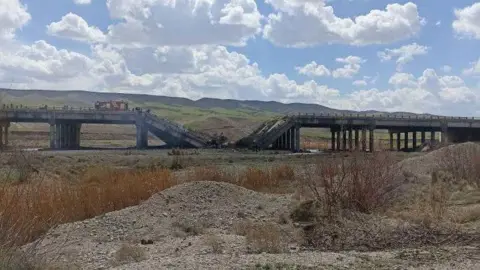
On the plains of northwestern Iran, edged by snow-ribboned ridges, spring nudges almond trees into frothy bloom, and a fragile ceasefire brings more traffic onto highways, marking the return of many Iranians to their homeland. Amidst this backdrop, citizens share their experiences and fears regarding the current geopolitical tensions.I stayed with my son in Turkey for a month, recounted a grey-haired banker at a Turkish crossing, where winter's snow has plunged temperatures. He described the recent military strikes in his city, noting that while airstrikes impacted military targets, many civilians remain uneasy about their safety as the two-week truce approaches its end.An elderly woman voiced her worries, reflecting on the turmoil young Iranians face amid the ongoing conflict with international powers. She felt that their fates were uncertain, profoundly concerned about the paramilitary forces patrolling the streets. It's all in God's hands, she murmured, looking upwards.On the other hand, a young woman boldly declared doubts about the ceasefire lasting, asserting that Iran would never relinquish control of the strategic Strait of Hormuz. As the journey continued towards Tehran, murmurs about US intervention lingered, with fears of past threats from a prominent American leader still echoing in public discourse.Trump's comments affirming the capability to decimate Iranian infrastructure sparked outrage, raising ethical concerns about military engagement amidst a crisis that affects civilian lives.In the midst of recovering from a brutal history marked by protests and repression, Iranians navigate their uncertain future, hoping for a resolution that would lift crippling sanctions and normalize their lives. As diplomatic talks advance, many remain skeptical, yearning for peace and clarity amid the ruins of conflict.