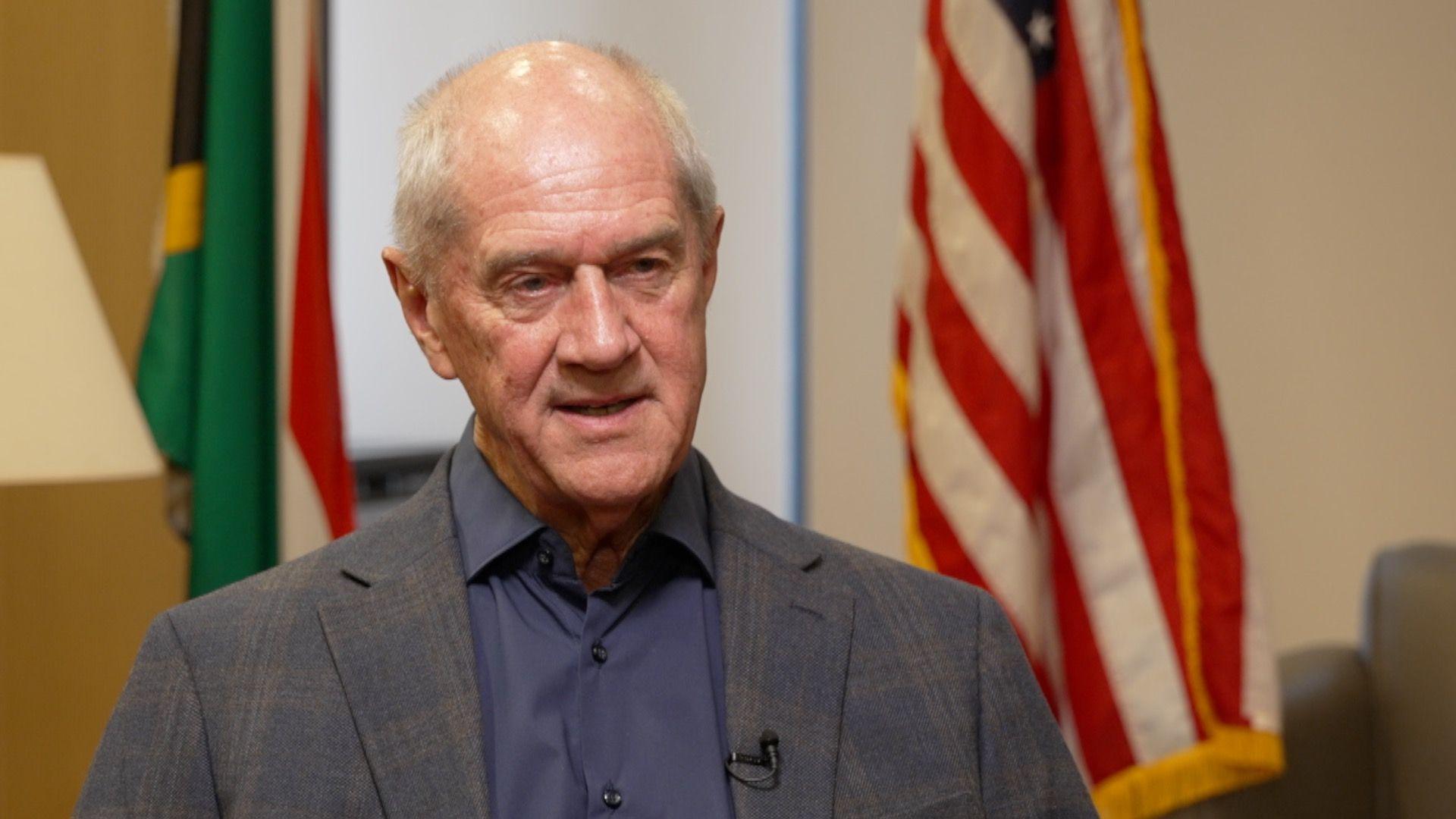
South Africa’s new ambassador to Washington, Roelf Meyer, has spoken out against Donald Trump’s claim that a genocide of white Afrikaners is occurring in his homeland. In a BBC interview, Meyer, a former mediator in the end‑of‑apartheid negotiations, said the “notion of a mass attack on the white Afrikaner minority in South Africa does not exist”.
Meyer, who was appointed in April as diplomatic relations cooled, told the BBC “It was hard to believe at the moment – I’m a born Afrikaner myself.” He emphasised that the allegation is a “misdirection of information” and that crime statistics in South Africa, particularly on farms, are overwhelmingly concentrated among Black South Africans.
The former “apartheid negotiator” notes that no South African party, including those representing Afrikaners, has recognised the claim; the government has invited this narrative into the settler discourse. He added that the U.S. has admitted almost 13,000 Afrikaner refugees, mostly due to Trump’s “refugee pathway”, and that these people “feel safer” and “can play outside” in the U.S.
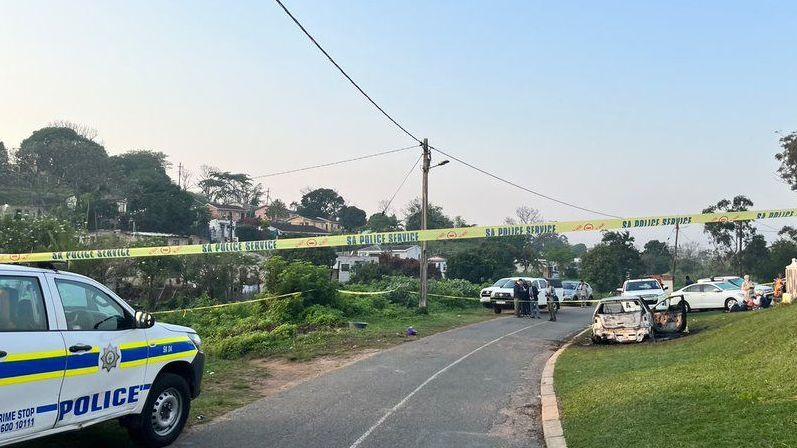
Meyer has called for the revocation of the executive order that classifies South Africa as a “genocide” target, warning that “South Africa has never prevented people from leaving and has addressed all U.S. concerns.” He urged Washington to help combat crime in South Africa, noting high crime in predominantly Black townships.
While the Trump administration continues to accept refugee applications and threatens punitive actions against South Africa, the ambassador stresses that the issue is “not rural, not farm attacks only”. He has suggested that Afrikaners protest inside South Africa if they hope for lasting change.
At the same time, critics in South Africa question whether the U.S. program constitutes “unlawful” diversion of resources meant for war‑fleeing refugees, arguing that the majority of violent crime against Afrikaners is motivated by robbery rather than ethnic persecution.