South African Ambassador Refutes Trump’s ‘White Genocide’ Claim
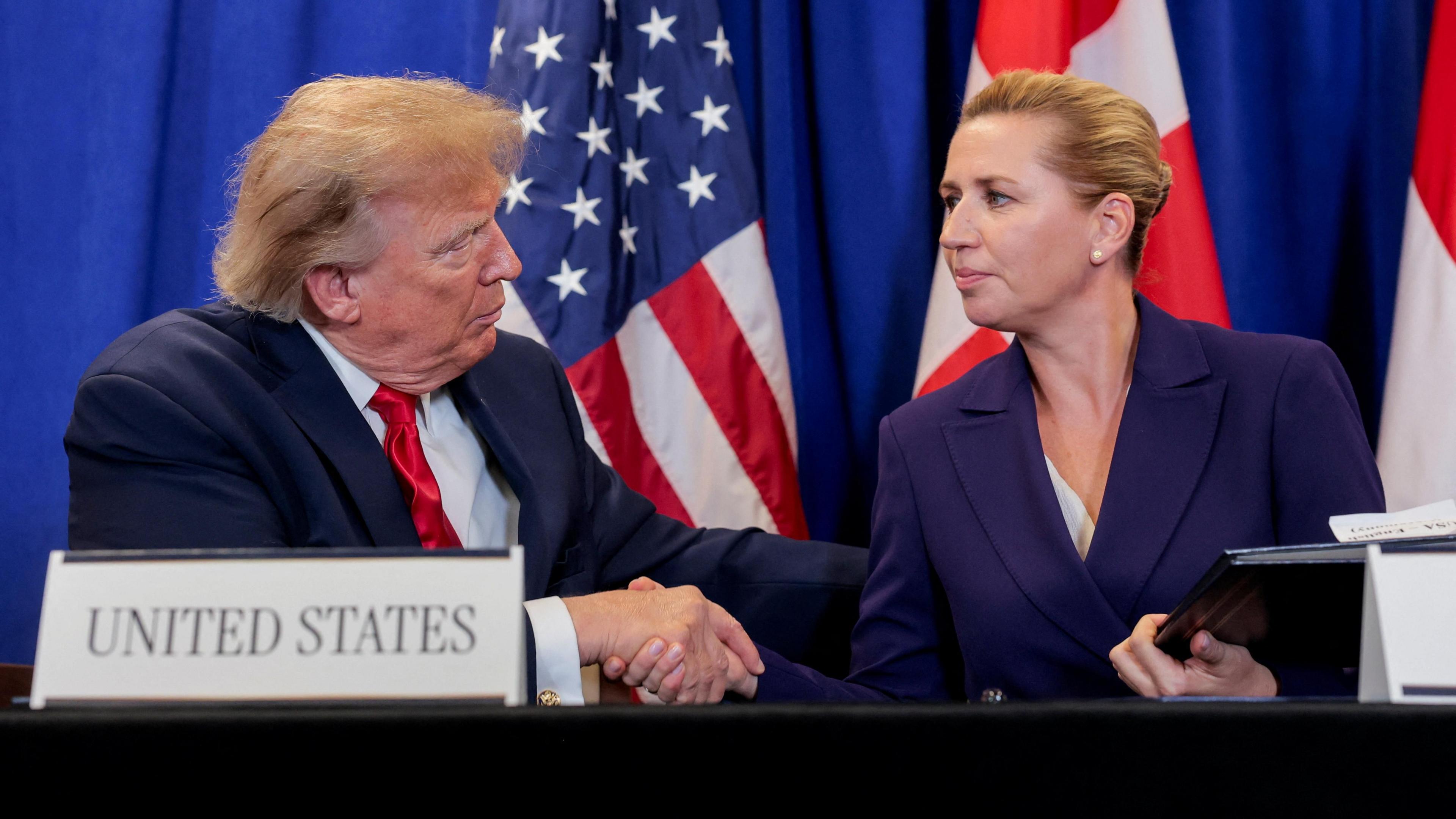
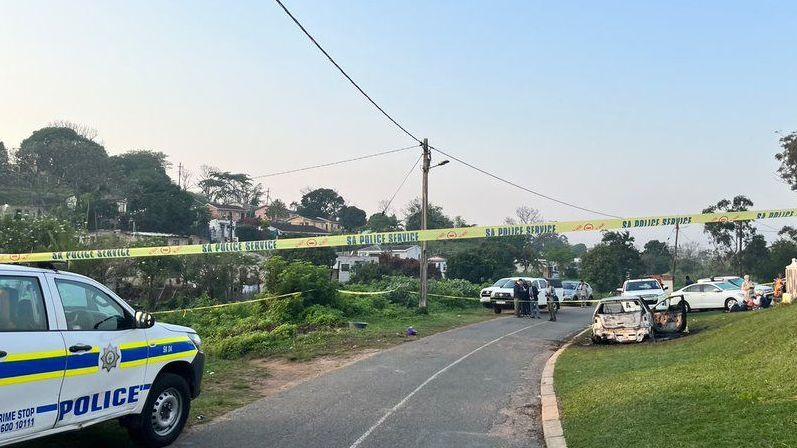
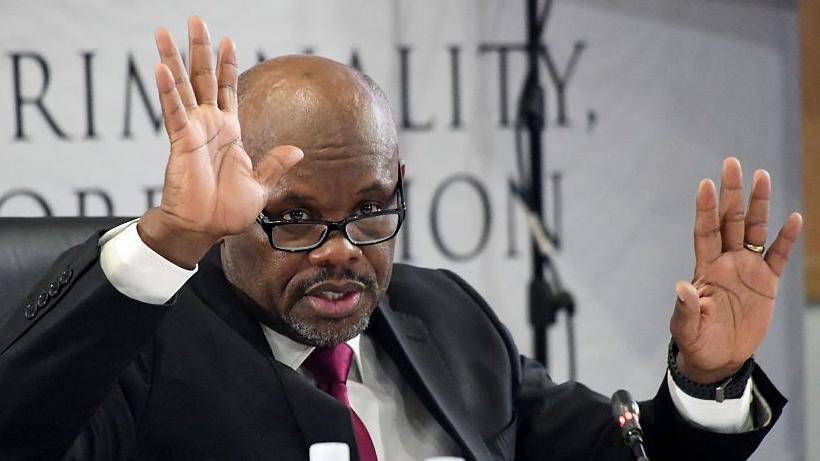
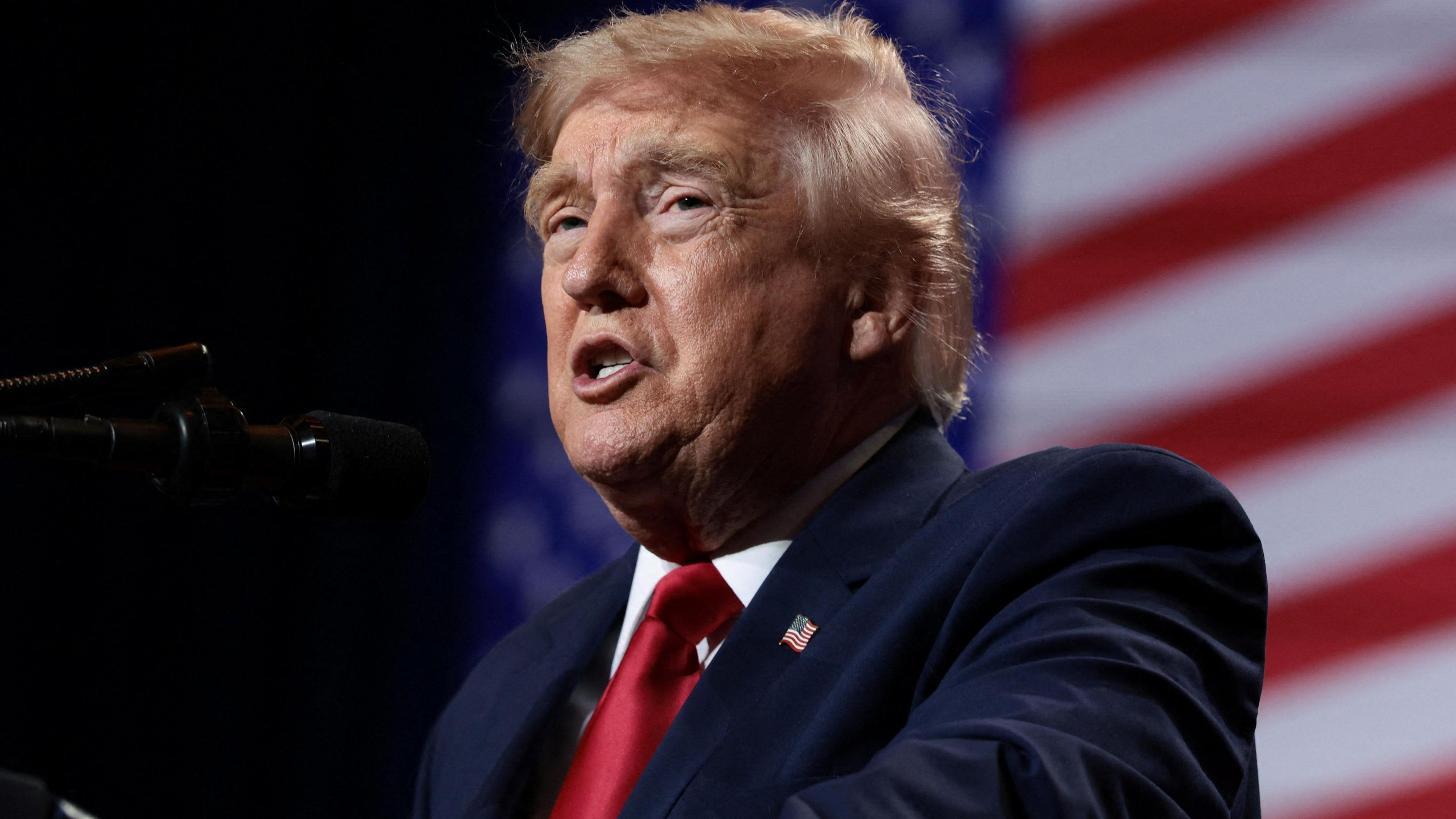
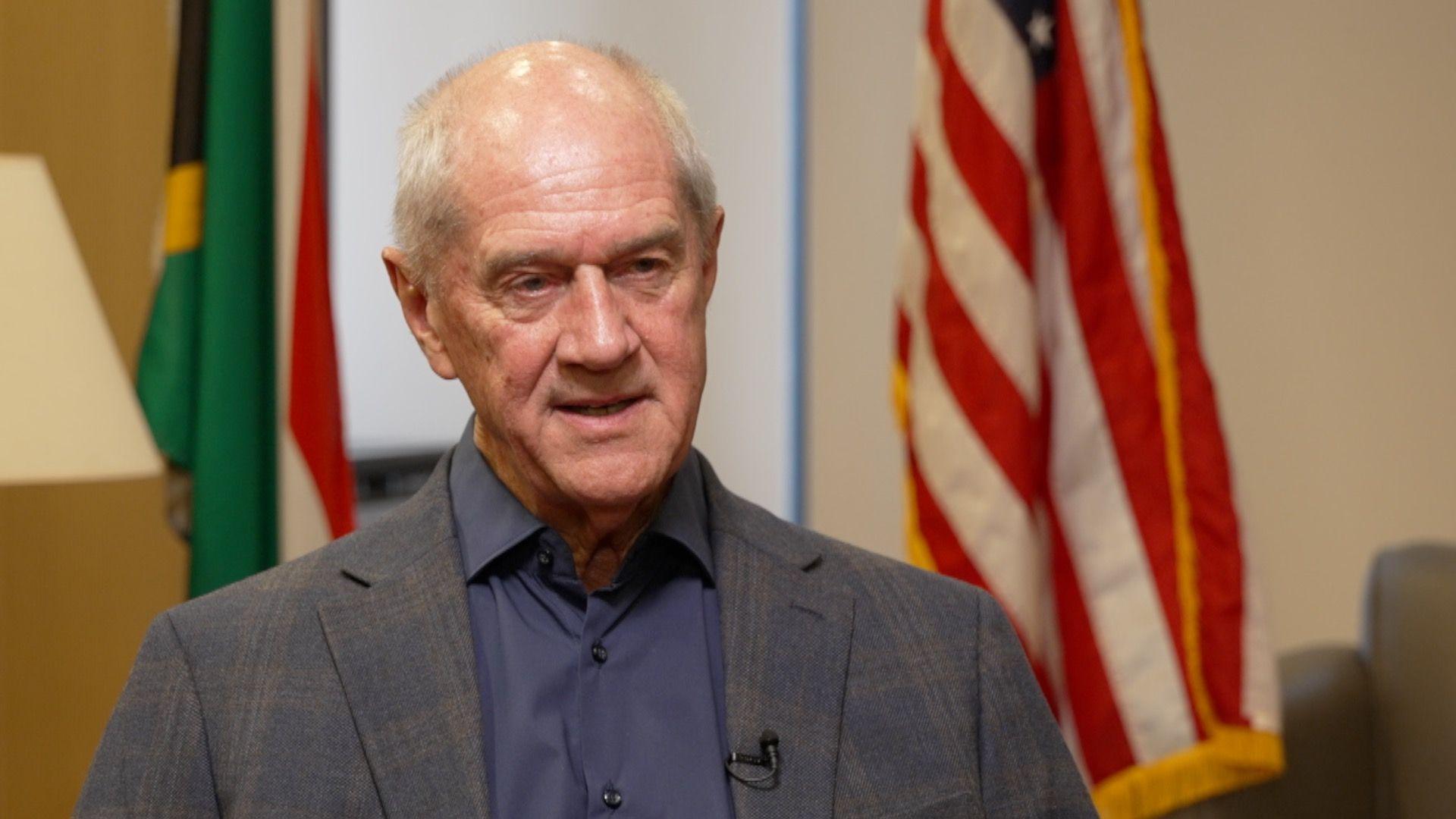
Roelf Meyer, South Africa’s new ambassador to the United States, took to the BBC to deny the allegation that a White genocide is unfolding in the country, a claim that was famously voiced by former President Donald Trump in a 2025 White House meeting with President Cyril Ramaphosa.
Background of the Claim
Trump’s remarks were accompanied by a U.S. refugee pathway that has seen around 13,000 South Africans admitted to the United States, the vast majority being identified as Afrikaner. The programme was announced in the wake of Trump’s statement that Afrikaners were being “raped, maimed, killed and driven off their property.”
Meyer’s Response
Meyer, a born Afrikaner who played a key role in negotiating the end of apartheid, argued that the notion of systemic persecution against whites does not hold up under scrutiny.
- The majority of farm and community violence in South Africa is committed by black offenders, according to police data.
- Afro‑centric crime statistics show a higher proportion of serious crime among black communities, especially in townships.
- South Africa has no system that prevents or restricts the movement of its citizens, including Afrikaners.
He added that he is “not here to represent only Afrikaners” but to “help heal the broader issues between South Africa and the U.S.”
Critics and Counter‑Arguments
Hard‑line Afrikaner lobby groups have called the refugee programme a political ploy and organised vigils on Washington’s National Mall, planting thousands of white crosses to mourn alleged farm‑attack victims. However, political analysts note that such protests risk inflaming tensions and detract from practical solutions to South Africa’s crime problem.
Meyer’s Call for Action
The ambassador urged the U.S. to redirect its energy from “propaganda” to substantive aid. He advocated for the provision of crime‑fighting equipment and resources to enable South Africa to combat the “huge levels of criminal activity that affect black township communities.”
He also requested the revocation of the Trump‑era executive order that underpins the refugee pathway, stating that “South Africa has addressed American concerns and is not a country of mass persecution.”
The Bigger Picture
While the U.S. initiative has opened doors for Afrikaners seeking safety, it has drawn criticism for diverting humanitarian resources from those fleeing war and genocide in other parts of the world. Meanwhile, the controversy underscores the lingering legacy of apartheid and how it informs contemporary political rhetoric in both the United States and South Africa.
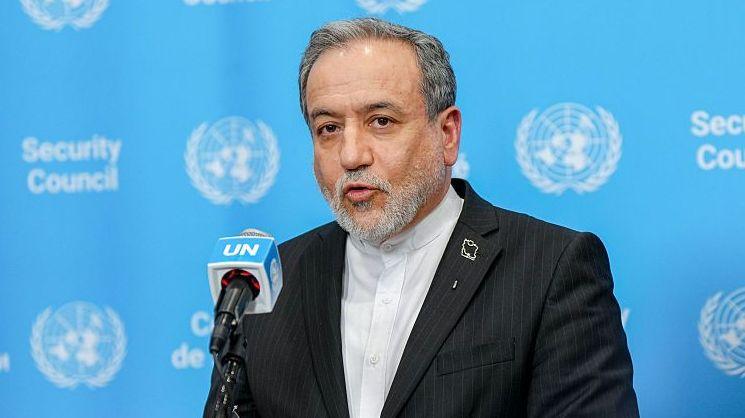
Image Caption: Ambassador Roelf Meyer speaking to the BBC about the “white genocide” allegations.