WASHINGTON (AP) — The Trump administration is expected to revoke a key scientific finding this week that has long underpinned U.S. action to regulate greenhouse gas emissions and combat climate change. A source from the White House revealed that the Environmental Protection Agency (EPA) will issue a final rule rescinding the 2009 endangerment finding.
This Obama-era policy established that carbon dioxide and other greenhouse gases pose a threat to public health and welfare. A White House official, who chose to remain anonymous, confirmed these plans, originally reported by the Wall Street Journal.
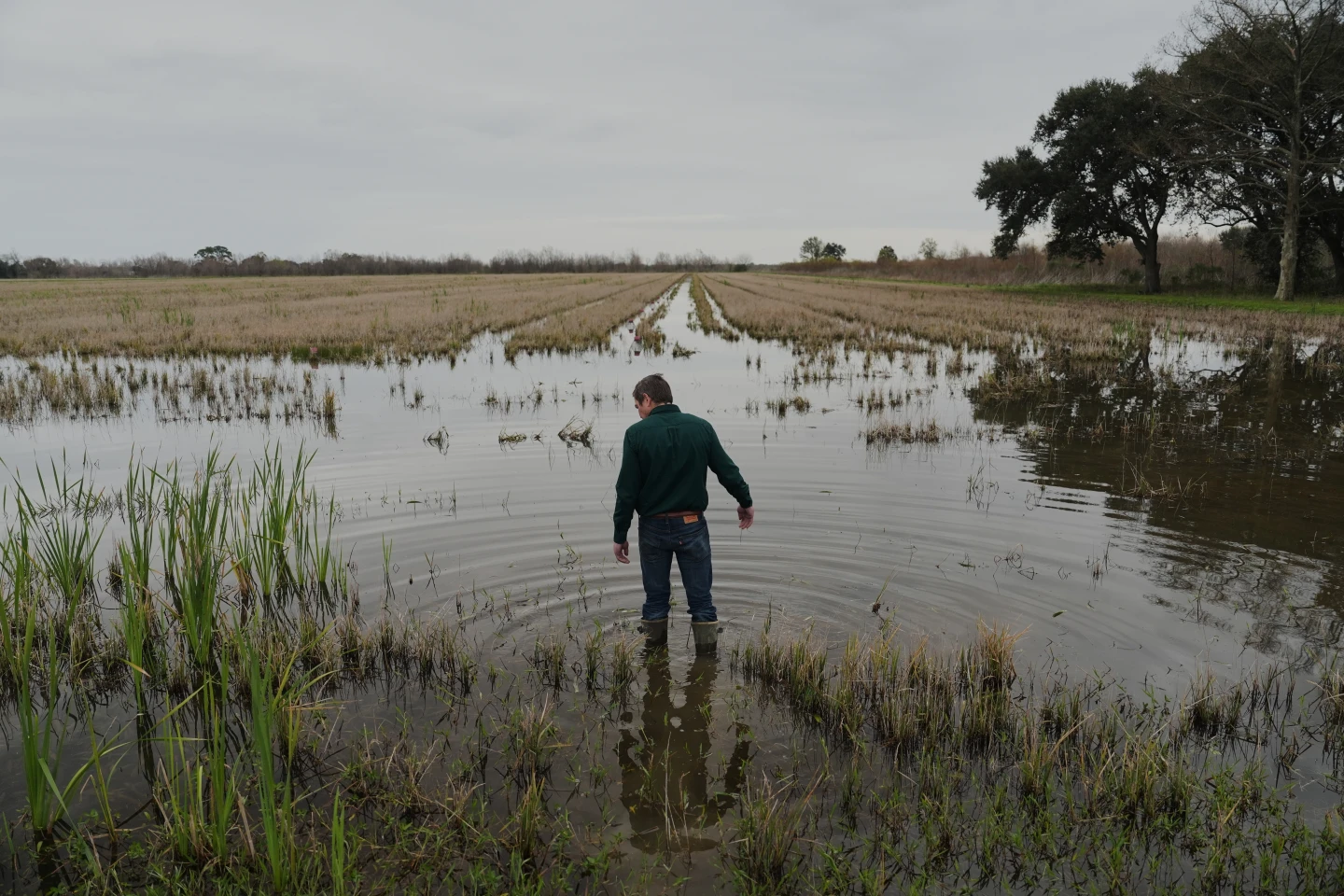
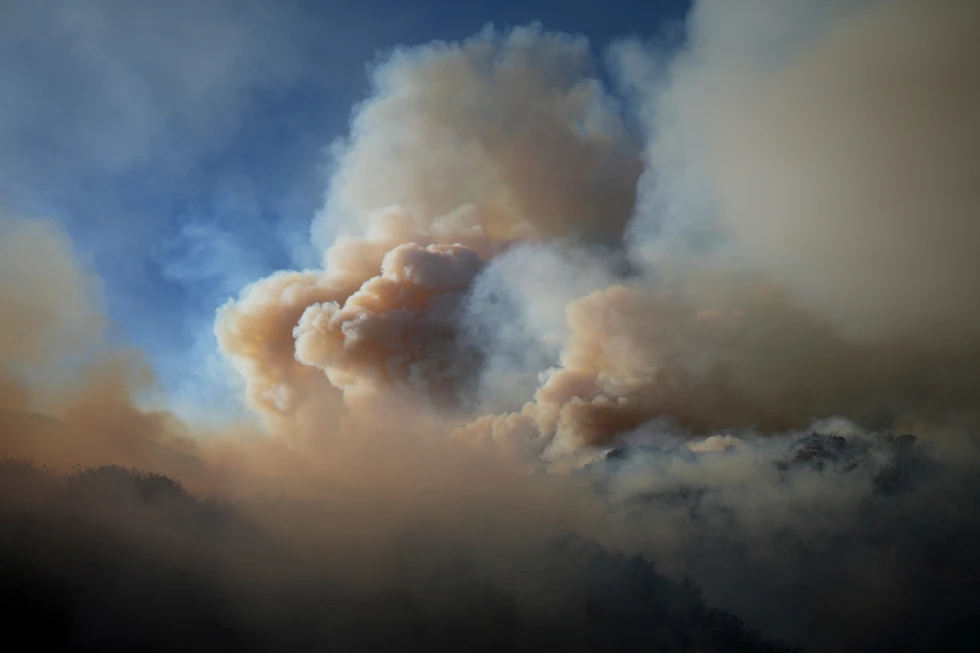
The endangerment finding serves as the legal foundation for many climate regulations under the Clean Air Act, impacting motors, power plants, and other pollution sources. These regulations help mitigate increasingly severe climate impacts like floods, heatwaves, and wildfires.
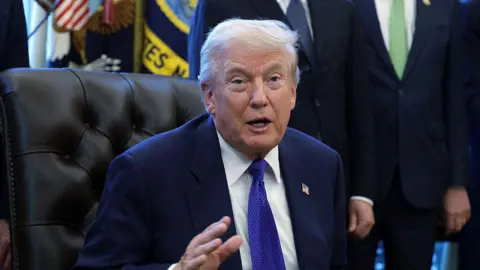
White House press secretary Karoline Leavitt stated that President Trump will undertake significant deregulatory actions aimed at enhancing American energy production and reducing costs.
Environmental groups have condemned the impending repeal, labeling it the largest attack on the federal government's climate action efforts in American history. Legal challenges are anticipated in response to any efforts to undermine these crucial regulations.
In statements made by the EPA, a spokesperson asserted that a new rule is in finalization stages related to the endangerment finding. Furthermore, critics argue that rescinding such regulations could encourage higher pollution levels, elevate healthcare costs, and lead to thousands of unnecessary deaths.
Pundits have highlighted the Supreme Court's 2007 ruling that recognized greenhouse gases as pollutants under the Clean Air Act. This ruling has guided numerous subsequent legal decisions sustaining the endangerment finding.
University of Pennsylvania climate scientist Michael Mann expressed concerns regarding the administration's approach, suggesting it represents a modern form of climate denial, despite the realities of the climate threat.