In brief
Farmers in Louisiana are increasingly challenged by invasive apple snails and delphacids, which damage both rice and crawfish crops. As the snails clog traps and delphacids pose a risk to rice plants, agricultural experts warn of rising costs and lower yields due to climate change. The situation is expected to have lasting implications on production methods and financial sustainability in the region.
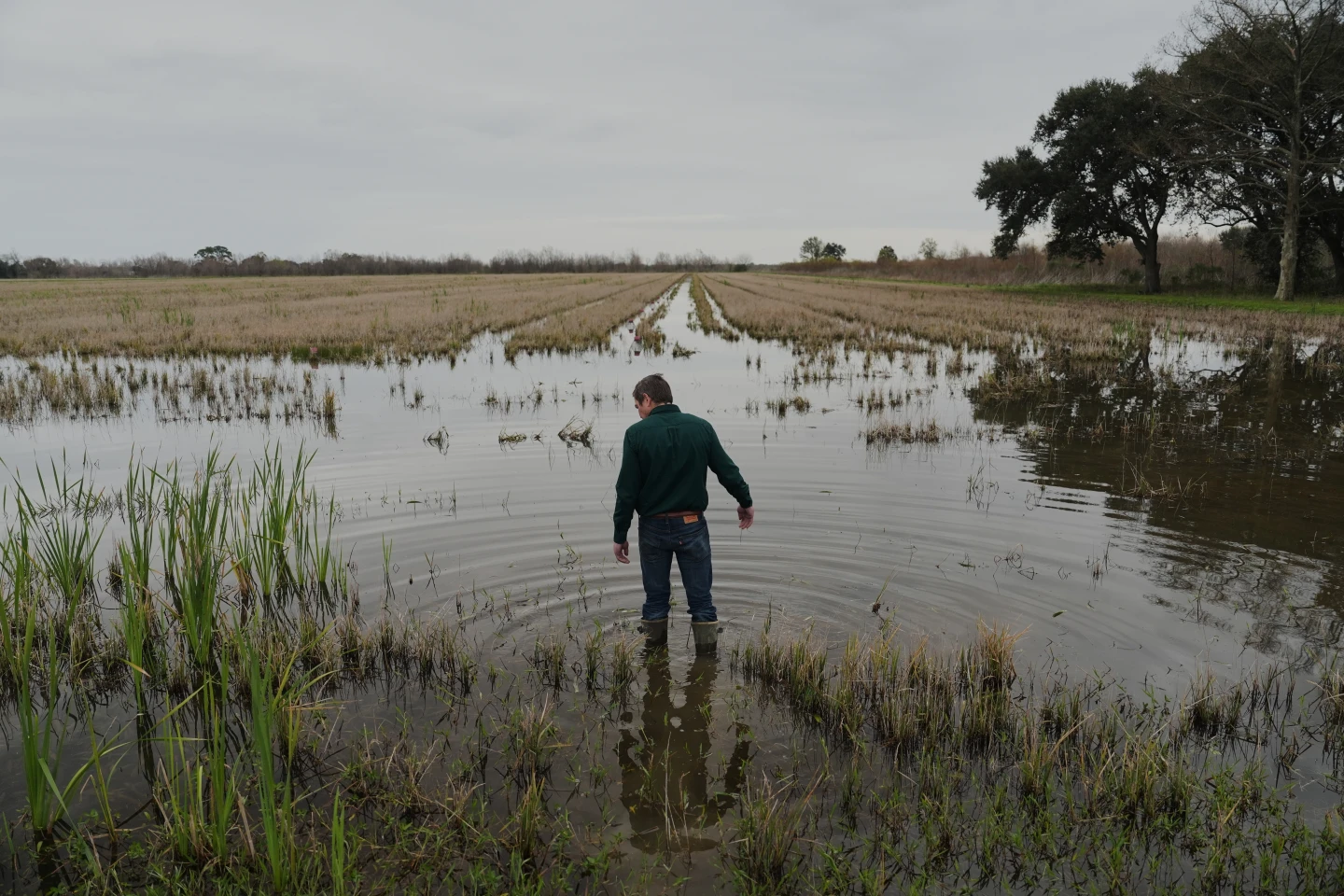
KAPLAN, La. (AP) — Josh Courville, a lifelong crawfish harvester, has recently encountered a troubling new adversary in southern Louisiana: invasive apple snails, which have begun multiplying rapidly in the fields he manages. For every crawfish he retrieves from his traps, three or four apple snails tumble out, adding to the challenges of harvest. These snails, measuring about the size of a baseball when mature, thrive in various weather conditions and can lay thousands of eggs monthly.It’s very disheartening, Courville expressed. The most discouraging part is the lack of control over the situation.The apple snail invasion highlights a broader struggle facing farmers, particularly in Louisiana, where rice and crawfish are commonly grown in the same fields. Adding to this difficulty is the emergence of delphacids, tiny insects capable of wreaking havoc on rice crops. Both pests present evolving challenges as climate change may be exacerbating their spread, creating increased difficulty for local farmers who are already wrestling with tough market conditions for rice.According to experts, warmer climates can allow invasive pests to flourish, creating a complicated landscape for agriculture. The potential economic impact is substantial as higher pest-related losses in crops could lead to increased prices for U.S. consumers.With growing concerns about pest outbreaks, Courville and Christian Richard, a sixth-generation rice farmer, are adapting to new methods, including drying fields before flooding them to give rice a chance to thrive before the pests arrive.However, practices like using copper sulfate to control snails come with steep costs, adding pressure on farmers in an industry already challenged by fluctuating prices and environmental factors.The effects of the delphacids are particularly severe as reports indicate that Texas farmers suffered severe yield losses last year, which raises significant concerns about similar risks in Louisiana. As state researchers scramble to better understand these pests, farmers are left without a clear pathway to protect their harvests, illuminating an urgent need for strategies that minimize the risks associated with invasive species.