In brief
The number of abandoned oil tankers and commercial vessels has surged, reaching over 410 in 2025, affecting more than 6,000 seafarers. Contributing factors include geopolitical instability, supply chain disruptions from COVID-19, and the rise of shadow fleets—vessels sailing under flags of convenience, often lacking proper oversight and safety regulations.
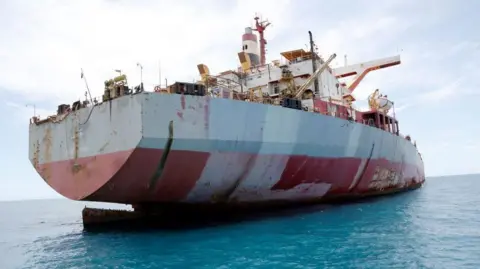
Over the past year, the global shipping industry has seen a spike in the number of abandoned oil tankers and other commercial ships. This alarming trend raises questions about the causes behind such a surge and the consequences for affected crews. Currently, there are significant operational challenges affecting maritime workers, with one senior officer describing dire shortages of food and essentials aboard his abandoned vessel in international waters.Ivan, a Russian officer, suffers from a severe lack of provisions, exacerbating tensions among crew members. The vessel, laden with 750,000 barrels of Russian crude oil, was abandoned after months of unpaid wages, highlighting a systemic problem in the industry.In recent years, the number of abandoned vessels has grown dramatically, from just 20 in 2016 to 410 in 2025, implicating 6,223 merchant seamen. Challenges such as geopolitical instability and the COVID-19 pandemic have disrupted global supply chains, pushing struggling operators out of business.Compounding the crisis is the emergence of shadow fleets — aging ships often registered under flags of convenience, which lack the regulatory supervision necessary for safe and compliant operations. These vessels are often caught in a legal gray area, helping contravene Western sanctions aimed at countries like Russia and Iran.The overarching issue of abandonment, understood to take place when owners neglect their financial and operational responsibilities to meet crew needs, raises serious humanitarian concerns. Efforts are underway by organizations such as the ITF to address wage theft and essential supplies for stranded sailors.With alarming statistics indicating that abandoned seafarers are frequently from countries such as India and the Philippines, the maritime industry faces pressing calls for reform to ensure the welfare and rights of its workforce. As challenges intensify, the future of this industry's integrity hangs in the balance, highlighting the urgent need for international cooperation to protect seafarers from their vulnerable positions in a turbulent global market.