In brief
In a shocking sequence of events, Australia’s east coast experienced four shark bites in just 48 hours, culminating in the tragic death of a 12-year-old boy. Experts highlight that environmental factors, rather than an increase in aggression among sharks, may be responsible for this uptick in encounters. Calls for shark culls are rising, but scientists argue for better understanding of shark behavior instead.
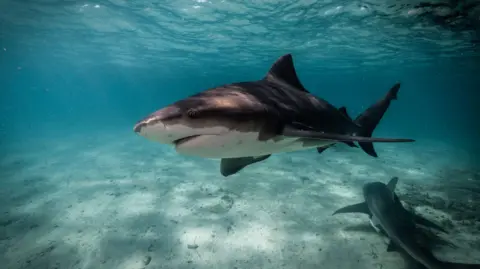
It's extraordinary, says shark researcher Chris Pepin-Neff: four shark bites within 48 hours, and three of them within a 15-kilometre stretch of Australia's east coast. On 18 January, a 12-year-old boy was taken to hospital with critical injuries and later died after being attacked while swimming in Sydney Harbour. The next day, an 11-year-old's surfboard was bitten at Dee Why beach, hours before a man was attacked at nearby Manly and taken to hospital in critical condition. On 20 January, a fourth surfer sustained a wound to his chest after a shark bit his board some 300km (186 miles) up the coast. The rapid spate of incidents triggered local and international alarm, with dozens of beaches closed amid fear of further attacks. Predictably, calls for shark culls have gathered momentum and volume.Experts, however, have cautioned against such measures, advocating instead for a greater awareness of shark behaviour and urging a rethink of humans' relationship to these fish. There are multiple factors that likely contributed to the recent spate of incidents, they say – and it's not the sharks that are the problem.Non-provoked shark attacks are usually precipitated by environmental conditions, attractants in the water, or both. The three recent incidents in Sydney – all of which are thought to have involved bull sharks – followed several days' worth of heavy rain, during which the city's official weather station recorded 127 millimetres of downpour within 24 hours – its wettest January day in 38 years.That rainfall would have created perfect conditions for bull sharks, according to Rebecca Olive, senior research fellow at RMIT University. Bull sharks thrive in warm, brackish water, which most other sharks flee, she told the BBC. They love river mouths and estuaries, so the freshwater that flooded off the land following the recent rain events was perfect for them.Olive and other experts further note that this freshwater would have likely flushed sewage and nutrients into the sea, thus drawing in bait fish and, in turn, sharks. Official statistics show that shark bite incidents in Australia have gradually increased over the past 30 years – rising from around eight to 10 per year in the 1990s, to yearly averages in the mid-20s from the 2010s onwards. However, increased encounters do not necessarily mean higher risks, according to experts. To minimize risks, they suggest that beach-goers should be more aware of environmental factors and perhaps avoid swimming and surfing after heavy rain.