In brief
In a groundbreaking case, the Supreme Court will review President Trump’s executive order that denies birthright citizenship to children born in the U.S. to undocumented immigrants. The court's ruling, expected by early summer, could significantly alter the long-standing interpretation of the 14th Amendment, which has historically guaranteed citizenship to all born on U.S. soil, with few exceptions. This appeal comes after multiple lower courts blocked the order, arguing it contradicts both federal law and constitutional precedent.
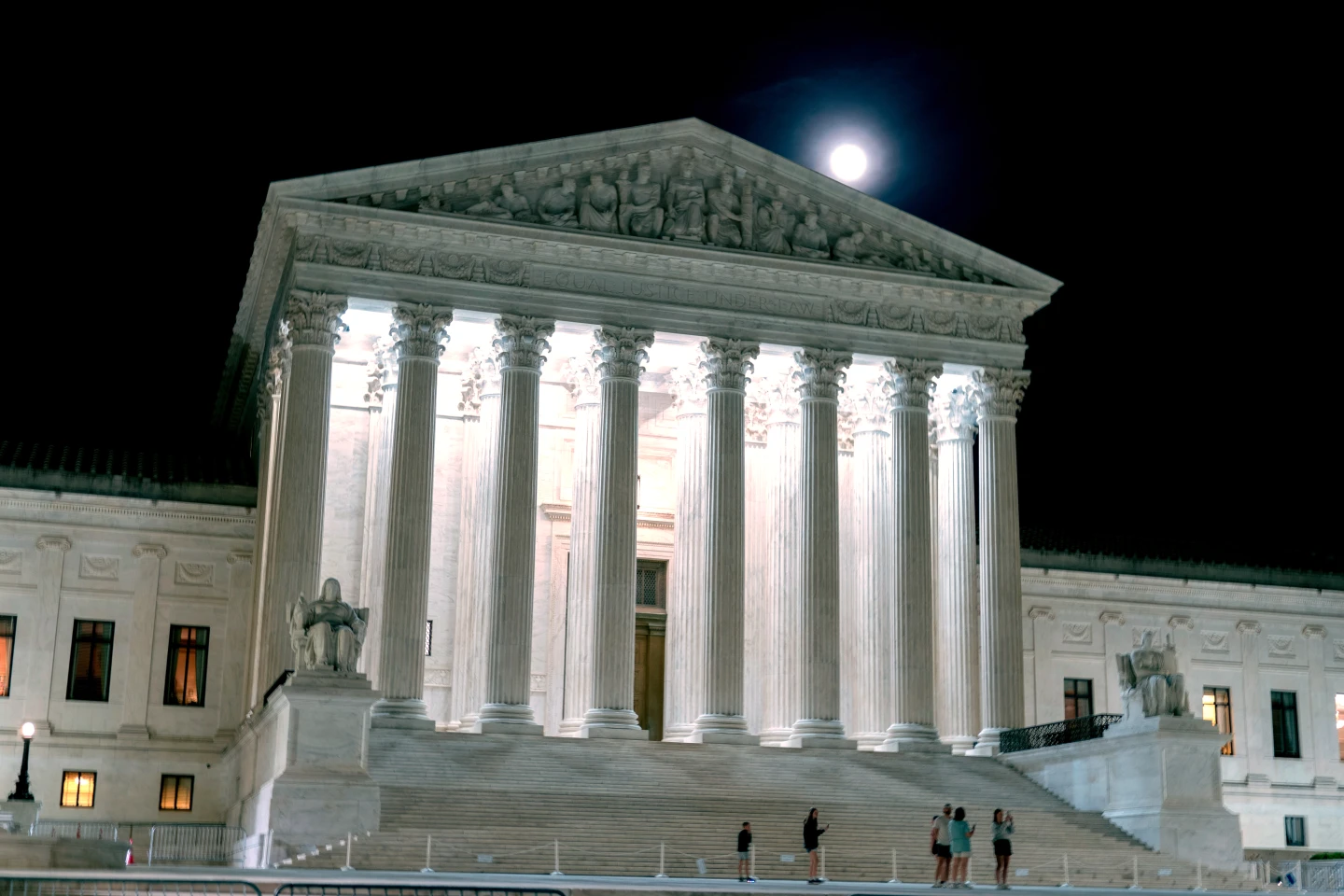
WASHINGTON — The Supreme Court is gearing up for a significant case that challenges President Trump's executive order regarding birthright citizenship. This order asserts that children born to parents who are present in the United States illegally or temporarily do not qualify for American citizenship.
The case, set for oral arguments on Wednesday, involves Trump's appeal of a New Hampshire court ruling that invalidated the citizenship restrictions. This legal action is a response to several lower-court decisions that ruled against the executive order.
Trump will make history as the first sitting president to attend Supreme Court oral arguments. A decisive ruling is expected by early summer.
This case represents a pivotal test of executive power, diverging from long-standing legal practices upheld by the Court in the past. Critics argue that Trump's order would distort the protections guaranteed by the 14th Amendment, which has historically ensured citizenship for all individuals born in the U.S., with narrow exceptions for children of diplomats and occupying forces.
Legal experts assert that more than a quarter of a million babies born annually in the U.S. could be impacted by the administration's order. The case raises fundamental questions about the interpretation of citizenship and the legal rights of noncitizens, particularly as the Court prepares to reflect on precedents established in previous rulings, such as Wong Kim Ark v. United States.
In his rhetoric, Trump seeks to redefine the definition of citizenship, insisting that the traditional view is misguided. The outcome of this case could represent a landmark shift in American immigration and citizenship policy, determining the legal standing of children born in the country to noncitizen parents.