In brief
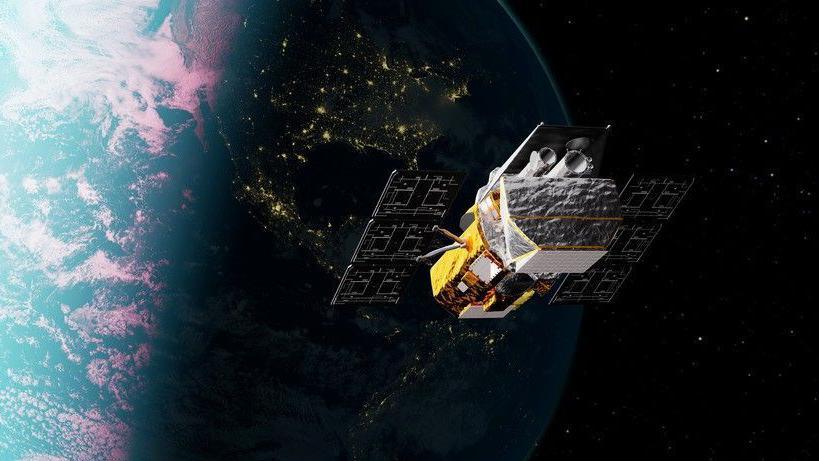
A NASA‑funded robot called LINK, built by Katalyst Space Technologies, was launched to capture the Swift space telescope, which is in danger of falling to Earth due to solar‑driven atmospheric drag. Swift, a 20‑year‑old observatory launched in 2004, has become essential for studying cosmic explosions. LINK will use three robotic arms to latch onto Swift and gently raise its orbit back to a stable height. The mission is high risk, but success could pave the way for future rescues such as the Hubble Telescope.
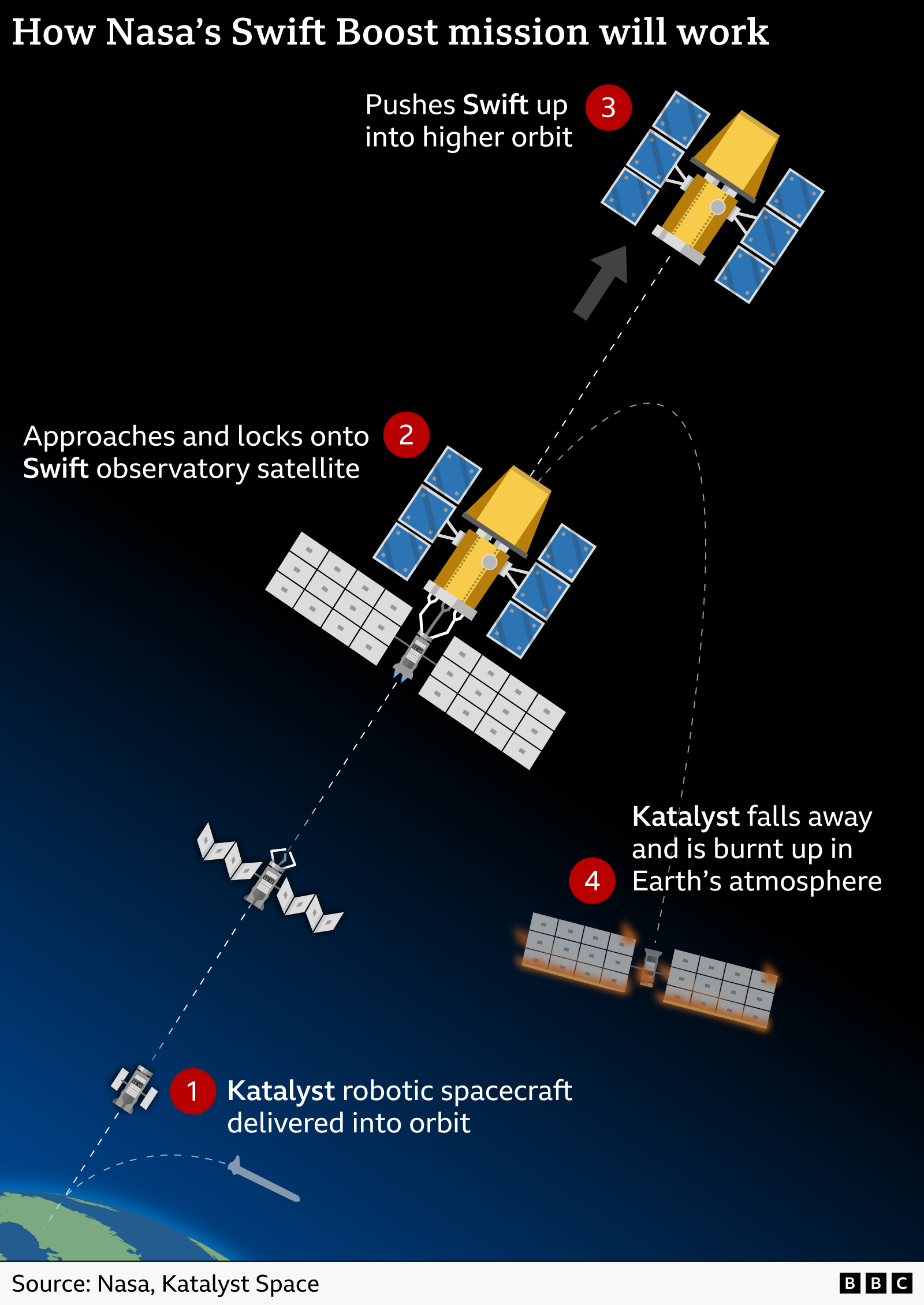
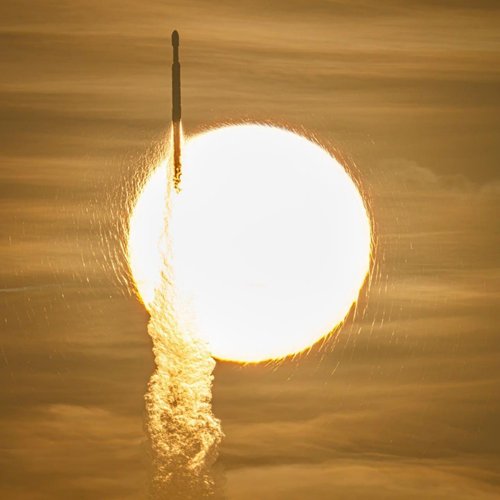
A NASA‑funded robot called LINK was launched Friday to intercept the Swift space telescope, which is in danger of falling back to Earth. The spacecraft will latch onto Swift with three robotic arms and lift it gently to a safer orbit.
Swift, launched in 2004 to study violent cosmic explosions, has been slipping lower in orbit as solar activity heats Earth’s upper atmosphere, creating drag that pulls the 13‑tonne observatory down. Its altitude has dropped from 373 miles to just 220 miles, putting it at risk of re‑entry.
Katalyst Space Technologies, a young company based in Flagstaff, Arizona, built the rescue craft in under eight months. Their chief executive, Ghonhee Lee, praised the team’s achievement, noting the unprecedented nature of the mission.
LINK is a frigid‑size robot equipped with cameras, guidance systems and six small thrusters. After launch, it will activate systems—power, navigation, cameras—before approaching Swift. The spacecraft will carefully position itself, photograph Swift from every angle, and extend its three arms to secure a hold. Once attached, LINK will fire its engines slowly, raising Swift’s orbit from 220 miles back toward its original 373‑mile home.
If successful, this high‑risk operation will demonstrate that rescue missions are possible for future targets, including the famous Hubble Space Telescope. By keeping Swift functioning, NASA preserves a priceless tool that studies gamma‑ray bursts, supernovae and other energetic events, allowing scientists to peer into moments that would otherwise be lost.
Follow the mission closely as LINK approaches, captures, and lifts Swift back into orbit—a bold test of human ingenuity in outer space.