Siberian Lab Incident Sparks WHO Alert on Pneumonic Plague Threat
The World Health Organization has urged Russian authorities to provide full details after a researcher died in a plague‑research laboratory in Siberia. Although the exact circumstances are still under investigation, the incident has raised alarms about the handling of the deadly pathogen Yersinia pestis and the risk it poses to public health both locally and abroad.
What Is Pneumonic Plague?
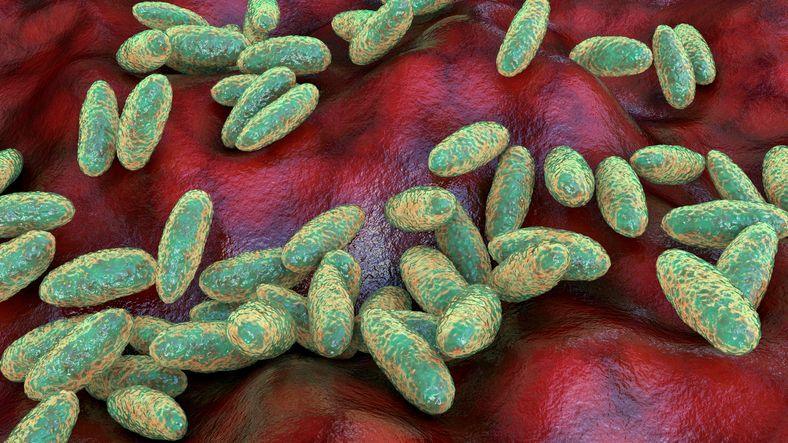
Plague, a disease caused by the bacterium Yersinia pestis, exists in three main forms: bubonic, where swollen lymph nodes appear; septicemic, which affects the bloodstream; and pneumonic, which infects the lungs. Pneumonic plague is often described as the most virulent form of the disease. While bubonic plague remains more common, the pneumonic version can be deadly if not diagnosed and treated within a day. Symptoms include sudden shortness of breath, chest pain and coughing up blood. In the 14th‑century Black Death, pneumonic plague was the primary driver of the pandemic’s devastation.
How Does It Spread?
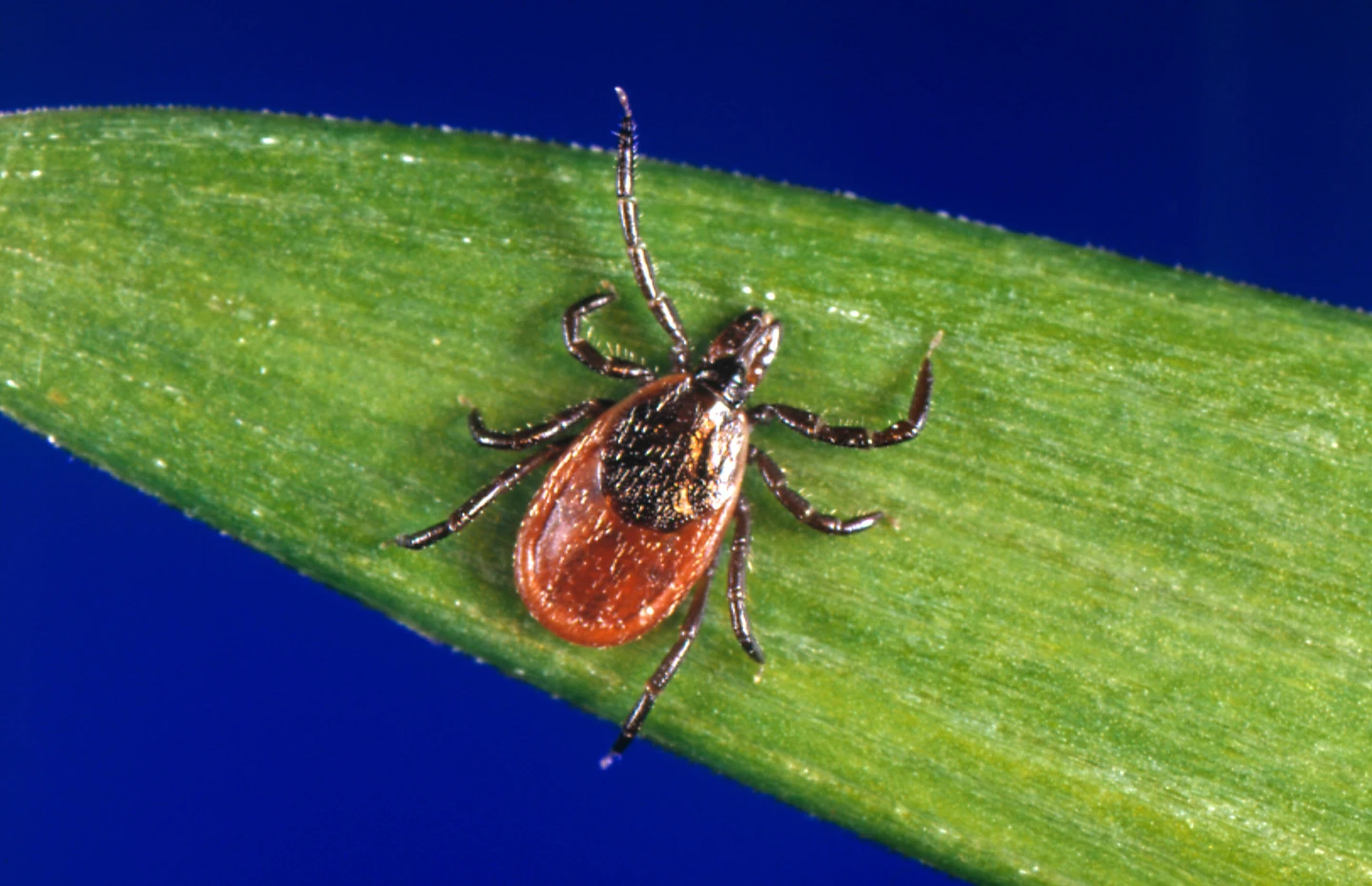
The bacterium normally lives in rodents and their fleas. Human infection usually occurs when an infected flea bites a person or when a person handles an infected animal. Importantly, pneumonic plague can jump directly between people. The infection spreads when an infected individual coughs or sneezes, releasing droplet‑laden aerosols that others inhale, especially in close proximity. If someone has already been infected with septicaemic plague, the bacteria can also spread into the lungs and cause a pneumonic outbreak.
“Studying live Yersinia pestis in laboratories is essential for developing diagnostics, vaccines and surveillance for antibiotic resistance,” said Dr. Zania Stamataki, Associate Professor of Viral Immunology at the University of Birmingham. “Plague remains endemic across rodent populations in Africa, Asia and the Americas, and human cases still occur year‑to‑year, including pneumonic outbreaks.”
Can It Be Treated?
The World Health Organization notes that pneumonic plague’s incubation can be as brief as 24 hours. If left untreated, mortality approaches 100 %. However, modern antibiotics—especially if started early—can reverse the disease. Dr. Malick Gibani, Clinical Associate Professor of Bacterial Vaccinology at Imperial College London, stressed that “early antibiotic treatment is the key to survival” and that high‑risk contacts may receive post‑exposure prophylaxis or quarantine.
In Russia’s case, authorities say tests have not found evidence that the deceased was infected with Yersinia pestis. Still, the death has prompted international concern. U.S. officials have assured no widespread threat, while the UK's Health and Safety Authority has described the risk to the British population as very low but still seeks more information.
According to Prof. Piero Olliaro of Oxford University, the bacterium persists in an estimated 200 rodent species worldwide. “Surveillance, infection‑control measures and effective antibiotic treatment are vital tools for limiting its impact,” he added.
As authorities continue to investigate, world health bodies emphasize the ongoing necessity of laboratory safety protocols and global coordination to mitigate the risk of a pneumonic plague outbreak, whether natural or accidental.