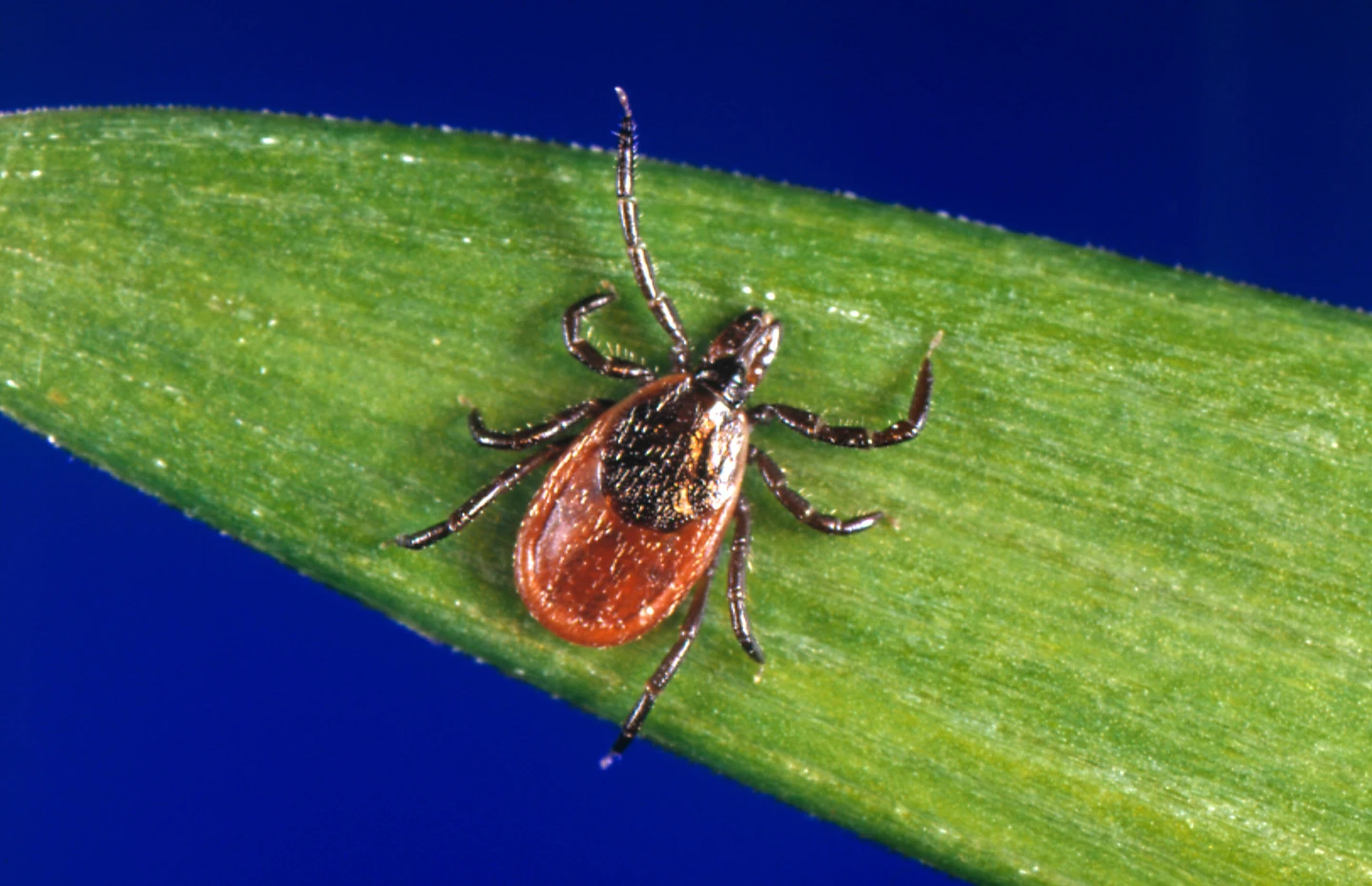
NEW YORK (AP) — The tick season appears to be starting with a bang, as there has been an unexpected surge in tick bites reported nationwide. Medical professionals, particularly in regions like Connecticut — where Lyme disease was first identified — are expressing concern over the uptick in tick-related infections.
Dr. Alina Filozov, an infectious disease specialist, noted, If there are more exposures to ticks, there may be a proportional increase in cases of infections.
The Centers for Disease Control and Prevention (CDC) has taken the unusual step of issuing an early warning that encourages the public to be vigilant against ticks.
Typically, tick bites increase during May; however, the data we have right now indicates that caution is warranted sooner rather than later, stated Alison Hinckley, a CDC Lyme disease expert.
Among the alarming statistics is the CDC's tracking system, which indicates that emergency room visits for tick bites are at an unprecedented high for this time of year compared to the last several seasons. While 85% of U.S. hospitals report data to this surveillance system, it's important to note that the figures don't reflect all incidents, particularly those untreated at home.
Current reasons for the increased tick population include climate change dynamics and a higher prevalence of small mammals like mice which serve as hosts. Among the diseases carried by ticks are Lyme disease, Rocky Mountain spotted fever, and alpha-gal syndrome — a meat allergy following tick bites.
In Connecticut, researchers are noticing large adult ticks currently, but as May progresses, the younger nymphs will begin to emerge and present an increase in risks. These nymphs, commonly harder to see, can attach for longer periods, resulting in a potential rise in infections.
State data indicates a disconcerting trend, where around 40% of ticks submitted for testing were found positive for Lyme disease. Experts stress that this is just an early estimate, but they expect infections and bites to increase in number, spreading further in coming months.
To reduce the risk of tick bites, individuals are urged to stick to the center of trails, wear light-colored clothing treated with insecticide, and use EPA-registered insect repellents. In case of a tick sighting, it should be removed quickly, although medical attention should only be sought if symptoms arise.
Overall, as tick season progresses, taking preventative measures and staying informed are essential steps to safeguard against potential tick-borne diseases.
Dr. Alina Filozov, an infectious disease specialist, noted, If there are more exposures to ticks, there may be a proportional increase in cases of infections.
The Centers for Disease Control and Prevention (CDC) has taken the unusual step of issuing an early warning that encourages the public to be vigilant against ticks.
Typically, tick bites increase during May; however, the data we have right now indicates that caution is warranted sooner rather than later, stated Alison Hinckley, a CDC Lyme disease expert.
Among the alarming statistics is the CDC's tracking system, which indicates that emergency room visits for tick bites are at an unprecedented high for this time of year compared to the last several seasons. While 85% of U.S. hospitals report data to this surveillance system, it's important to note that the figures don't reflect all incidents, particularly those untreated at home.
Current reasons for the increased tick population include climate change dynamics and a higher prevalence of small mammals like mice which serve as hosts. Among the diseases carried by ticks are Lyme disease, Rocky Mountain spotted fever, and alpha-gal syndrome — a meat allergy following tick bites.
In Connecticut, researchers are noticing large adult ticks currently, but as May progresses, the younger nymphs will begin to emerge and present an increase in risks. These nymphs, commonly harder to see, can attach for longer periods, resulting in a potential rise in infections.
State data indicates a disconcerting trend, where around 40% of ticks submitted for testing were found positive for Lyme disease. Experts stress that this is just an early estimate, but they expect infections and bites to increase in number, spreading further in coming months.
To reduce the risk of tick bites, individuals are urged to stick to the center of trails, wear light-colored clothing treated with insecticide, and use EPA-registered insect repellents. In case of a tick sighting, it should be removed quickly, although medical attention should only be sought if symptoms arise.
Overall, as tick season progresses, taking preventative measures and staying informed are essential steps to safeguard against potential tick-borne diseases.