In brief
Trump’s new orders expand the definition of non‑citizen parents whose children cannot claim citizenship, adding categories such as foreign terrorist affiliations, and direct agencies to curb the legitimate birth‑tourism industry. The orders arrive after a Supreme Court dismissal of his earlier petition and follow data showing an estimated 20,000–26,000 birth‑tourism cases a year—about 0.5% of U.S. births. The U.S. remains one of few developed nations granting almost unrestricted birthright citizenship, a stance Trump seeks to change.
President Donald Trump has just signed two executive orders that expand the list of parents whose children cannot automatically become U.S. citizens at birth and direct federal agencies to crack down on the birth‑tourism industry that has flourished on the promise of citizenship for foreign mothers.
The first order broadens the definition of non‑citizens whose children are excluded from the 14th Amendment’s birthright citizenship clause, adding new criteria such as parents who are members of foreign terrorist organizations, foreign government employees, those who have used fraud to obtain citizenship, and parents living in U.S. territories where citizenship isn’t granted by federal law. This change has raised questions about how and who would verify these categories, especially the often‑ambiguous “member of a terrorist group” threshold.
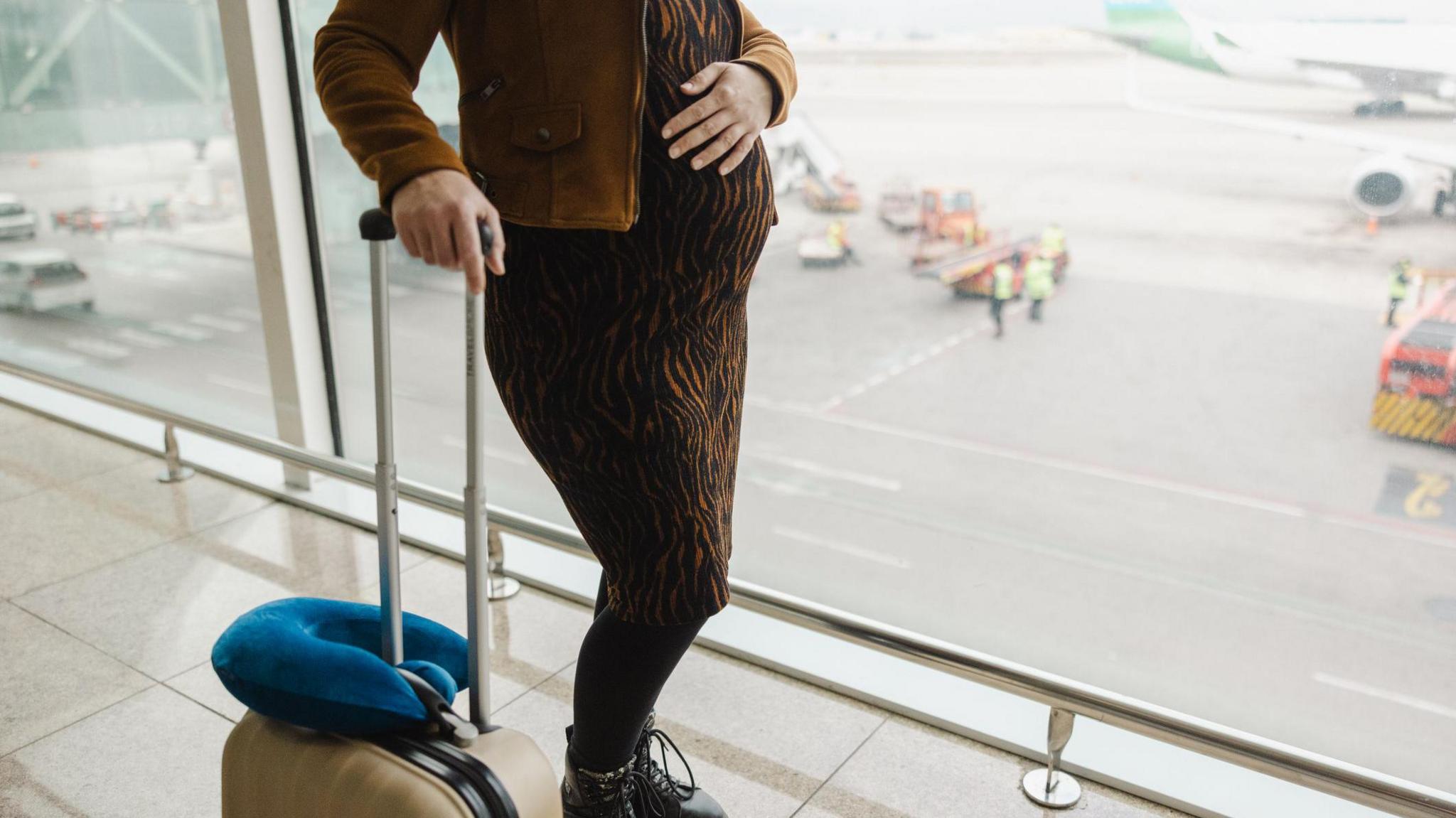
The second order targets the field of birth tourism, which already violates U.S. law but has been shielded by inadequate enforcement. It instructs the Departments of State and Homeland Security to strengthen regulations and pursue criminal penalties against providers that mislead foreign parents with promises of citizenship, public benefits and short‑term stays at specialized facilities.
Data from the Centers for Disease Control indicate roughly 9,500 foreign‑born babies were delivered in the U.S. in 2024, representing about 0.25% of all births. The Migration Policy Institute counters that these numbers likely undercount actual birth‑tourism cases, estimating 20,000–26,000 babies born each year under the industry’s influence—roughly 0.5‑0.7% of total annual births.
The dispute over birthright citizenship has already seen legal challenges; in April the Trump administration’s attempt to reinterpret the 14th Amendment was rejected by the Supreme Court, which upheld the long‑standing principle that anyone born on U.S. soil normally gains citizenship, with only a few narrow exceptions.
While the U.S. and Canada are the only developed nations widely granting unrestricted birthright citizenship, other countries—including Brazil, Argentina, Mexico, most of Central and South America—also grant citizenship by birth, though often with parental‑citizenship requirements. The debate continues as policymakers weigh the country’s constitutional heritage against concerns about the reach and impact of birth tourism.