In brief
The World Health Organization has announced the start of a clinical trial in Kinshasa to test two experimental drugs against the Bundibugyo strain of Ebola. The first patient was enrolled on Thursday, marking a significant step amid an outbreak that has claimed 438 deaths in the DRC. No approved treatments exist for this strain, prompting WHO to collaborate with the INRB, the Institute of Tropical Medicine in Belgium, and the University of Oxford. Director-General Tedros Adhanom Ghebreyesus highlights the life‑saving potential of the trial. The outbreak, declared a public‑health emergency, has also spread to Uganda and France.
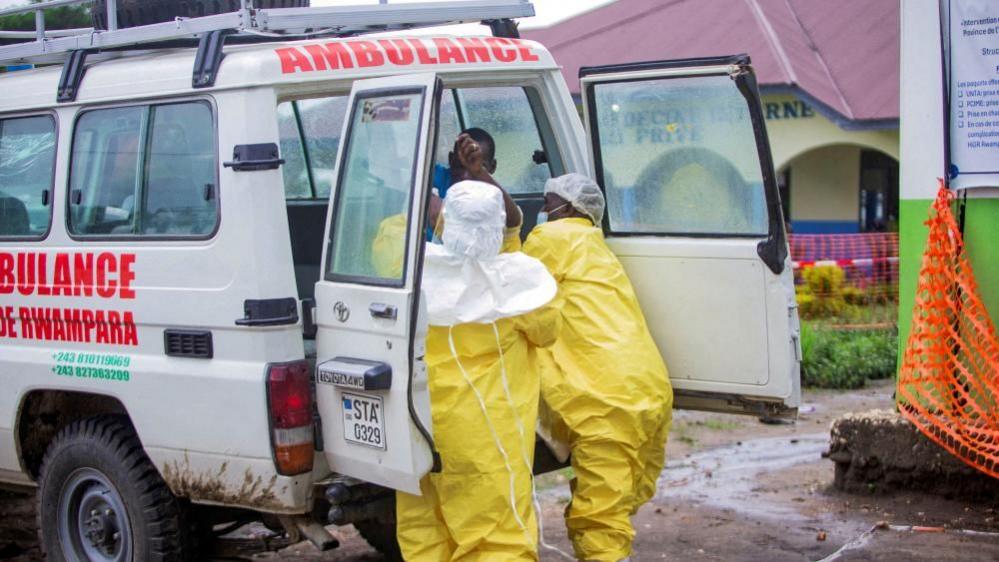
In a landmark move, the World Health Organization announced today the start of a clinical trial testing two experimental drugs against the Bundibugyo strain of Ebola that has been ravaging the Democratic Republic of Congo.
The first patient was enrolled on Thursday, marking the trial’s launch in Kinshasa. Over 1,400 confirmed cases and 438 deaths have been reported in the DRC alone.
No fully approved vaccines or treatments currently exist for this Ebola subtype, prompting the WHO to partner with national and international research institutions, including the Institut National de Recherche Biomédicale (INRB), the Institute of Tropical Medicine in Belgium, and the University of Oxford.
WHO Director‑General Tedros Adhanom Ghebreyesus urged that the trial could save countless lives, noting that while some patients have recovered without approved therapies, safe, effective treatments would dramatically improve outcomes.
The outbreak, which began in May 2026, has been declared a public‑health emergency. Additional cases have emerged in Uganda and France, underscoring the global threat.
The trial will evaluate efficacy, safety and dosing of the two candidate therapies, providing critical data that could shape future global responses to Ebola outbreaks.