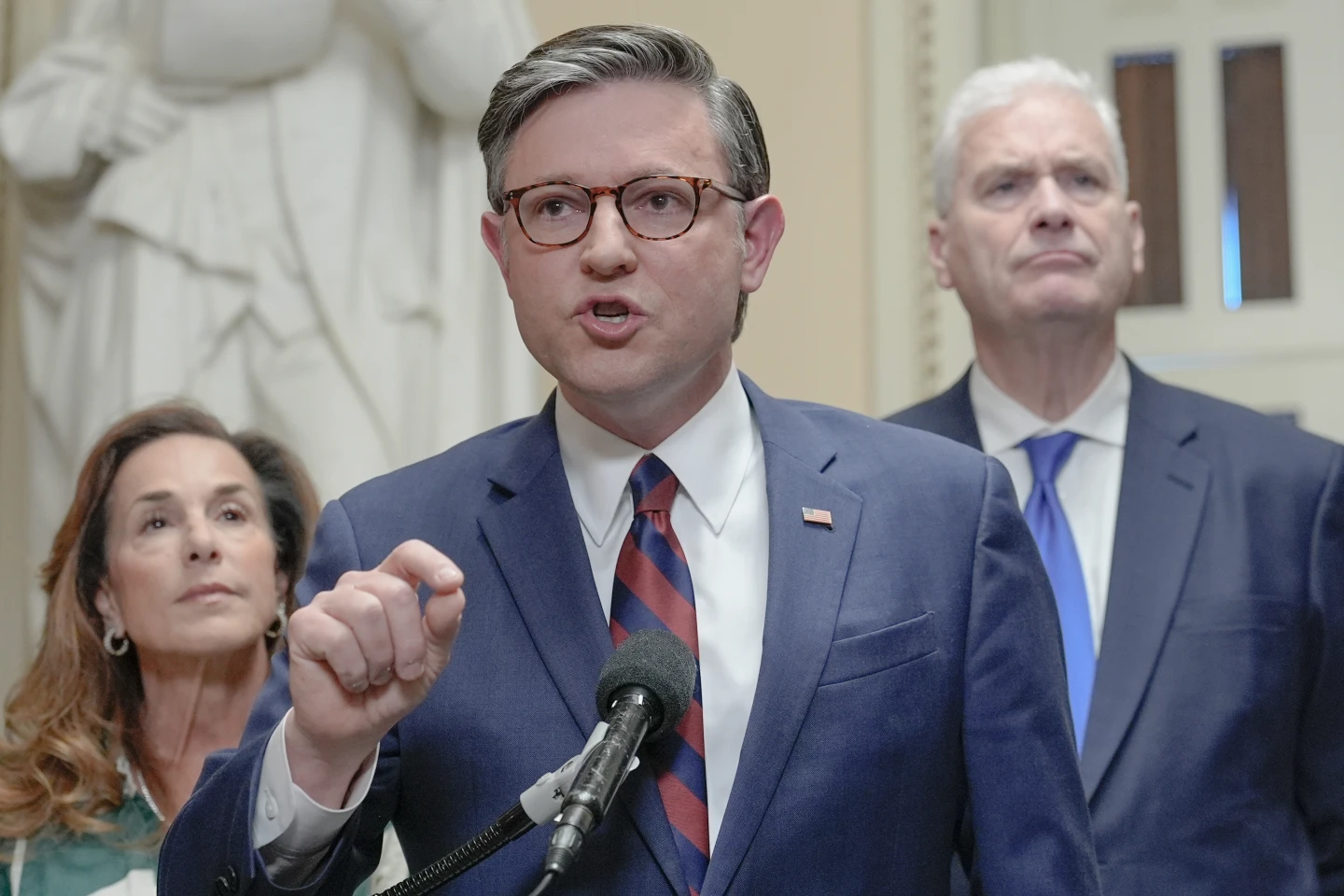
In a dramatic turn of events on Friday morning, the Senate appeared to be on the verge of finalizing a much-anticipated funding deal for the Department of Homeland Security (DHS) to avert America’s longest partial government shutdown. However, the fragile agreement quickly unraveled after House Speaker Mike Johnson publicly denounced it as a 'joke.' The fallout exposes a growing rift between House and Senate Republicans, as they struggle to unite in pursuit of shared legislative goals before the crucial November elections.
The deal, orchestrated by Senate Majority Leader John Thune, involved compromises that aimed to bypass contentious issues related to immigration enforcement. However, Johnson's outburst, asserting the need to protect both the House and the American people, has placed Congress in an even tighter bind as members prepare for a two-week spring recess.
Now, Congress stands at a stalemate, with DHS facing impending shutdown, putting immense pressure on Republicans to realign their strategies. While Johnson criticized the Senate's approach, Thune had expressed cautious optimism that the agreement could be a stepping stone towards reopening the government.
As tensions rise, numerous voices within the House, including Representative Nick LaLota, condemned the Senate's actions, suggesting that a mere handful of senators rushed to a decision in a bid to escape for their break. The Senate's agreement to not include funding for immigration enforcement agencies has further alienated House Republicans of various factions.
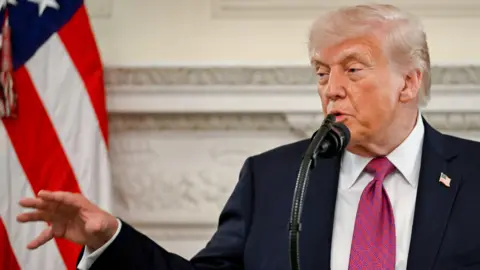
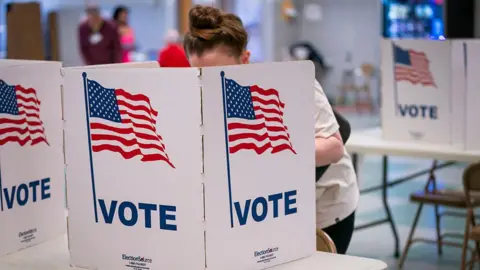
Looking ahead, the bitter divide poses serious challenges for Republican leaders to push through their legislative agenda. Trump’s priorities, such as stricter voting regulations, now face uncertainty amid a deadlocked Senate, which requires a 60-vote threshold for progress.
While hopes for a swift resolution dim, Democratic leaders are seizing the moment to place the burden of the shutdown on House Republicans. Moving forwards, communication and compromise will be essential if Congress hopes to navigate the impending funding crisis.
The deal, orchestrated by Senate Majority Leader John Thune, involved compromises that aimed to bypass contentious issues related to immigration enforcement. However, Johnson's outburst, asserting the need to protect both the House and the American people, has placed Congress in an even tighter bind as members prepare for a two-week spring recess.
Now, Congress stands at a stalemate, with DHS facing impending shutdown, putting immense pressure on Republicans to realign their strategies. While Johnson criticized the Senate's approach, Thune had expressed cautious optimism that the agreement could be a stepping stone towards reopening the government.
As tensions rise, numerous voices within the House, including Representative Nick LaLota, condemned the Senate's actions, suggesting that a mere handful of senators rushed to a decision in a bid to escape for their break. The Senate's agreement to not include funding for immigration enforcement agencies has further alienated House Republicans of various factions.
Looking ahead, the bitter divide poses serious challenges for Republican leaders to push through their legislative agenda. Trump’s priorities, such as stricter voting regulations, now face uncertainty amid a deadlocked Senate, which requires a 60-vote threshold for progress.
While hopes for a swift resolution dim, Democratic leaders are seizing the moment to place the burden of the shutdown on House Republicans. Moving forwards, communication and compromise will be essential if Congress hopes to navigate the impending funding crisis.