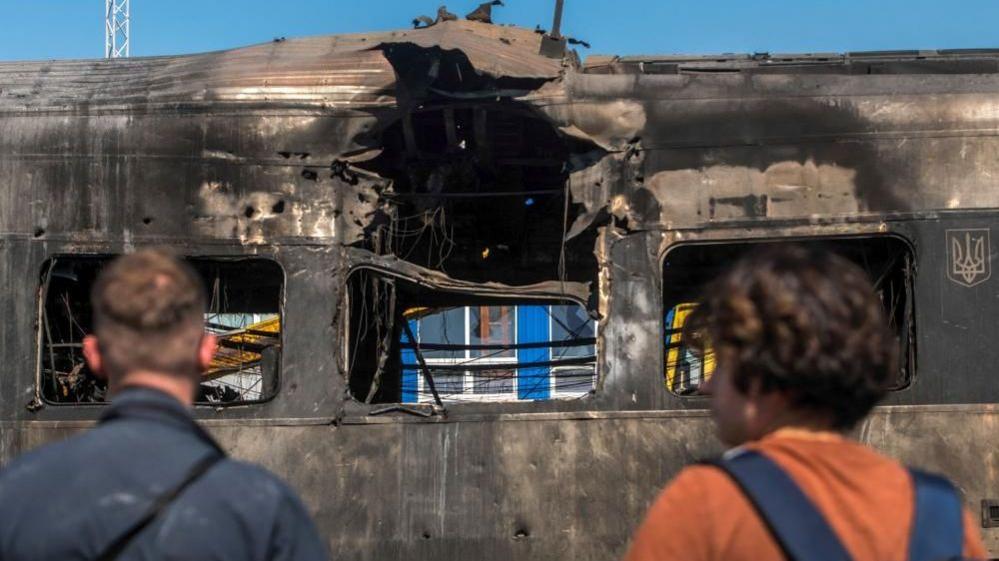

Ukraine’s railways have kept the country running since Russia’s full‑scale invasion in 2022, but attacks are now intensifying, with more than half of all strikes on locomotives occurring this year alone, the state‑owned operator reports.
Yuliia Ponomarenko, 27, a marketing specialist from Kharkiv, was travelling to Warsaw last month when border guards shouted “Run! Get out of the carriages! There is shelling!” after a Russian drone struck a locomotive near the Polish frontier. Her train was delayed for six hours while the fire was extinguished and the line cleared, leaving her crew fortunate that they had not been on board.
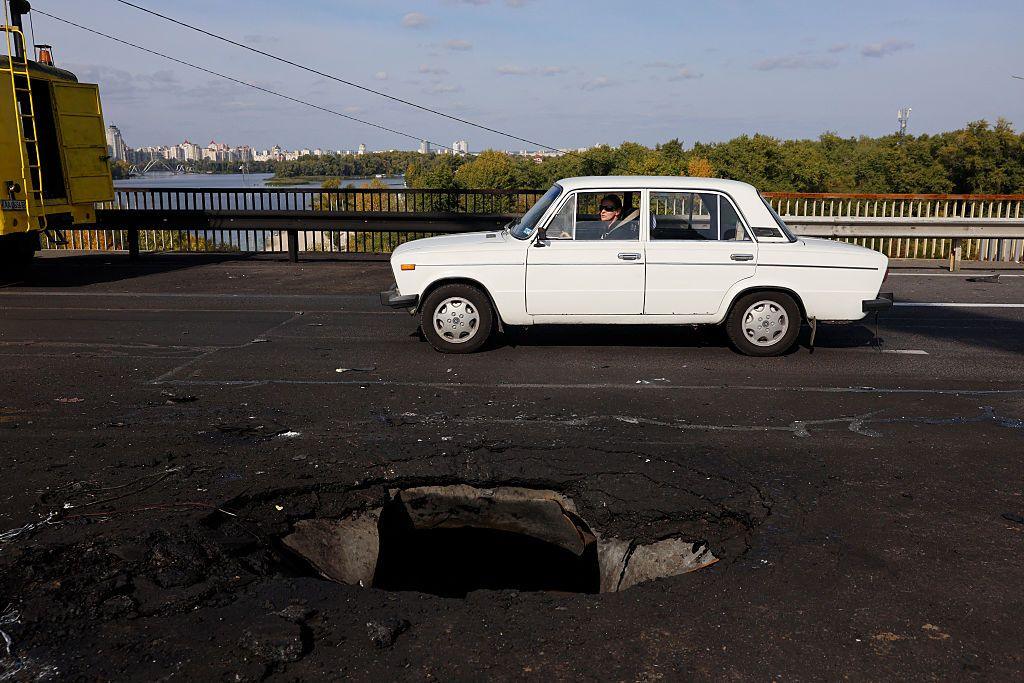
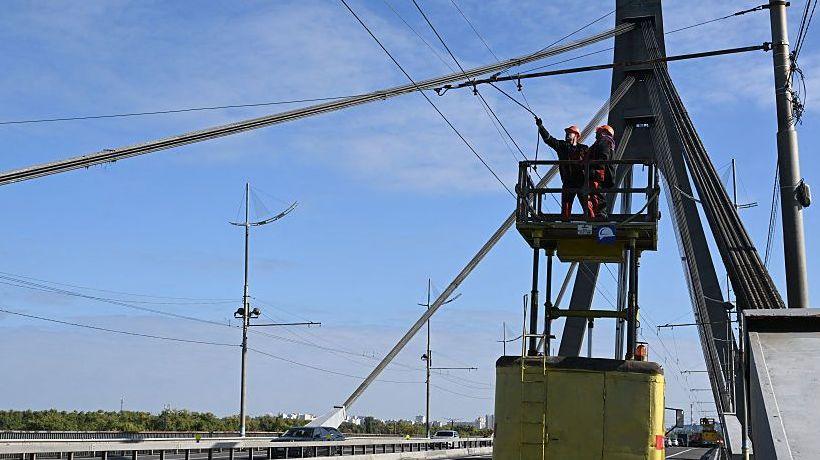
In September alone, authorities evacuated 5,831 trains, an average of 205 per day, as drones attacked moving passenger service. The peaks in disruption are part of a wider assault on Ukraine’s infrastructure, with two bridges in Kyiv hit in recent days and a metro train caught in a strike.
Seventeen‑year‑old Anastasiia Levchenko describes a narrow escape on 16 September, when her Odesa‑to‑Kirovohrad train was evacuated at 4 a.m. An hour and a half later a drone exploded nearby, sending passengers into the woods. “I’m not going to travel by train anymore,” she says.
Ukrzaliznytsia’s chief, Oleksandr Pertsovskyi, stresses that passenger safety now tops the company’s priorities. He says the war had previously made Ukrainian trains “tighter, faster and more punctual than many European services,” but with the new drone threat the focus must shift to protecting lives.
Russia claims its attacks target military transport, but the reality is that civilian passengers and crew members are routinely caught in the crossfire. Since the invasion, 521 locomotives have been hit, almost 60 % of them this year, and attacks on railway facilities rose from 1,206 in 2025 to 1,700 so far this year.
Pertsovskyi explains that the latest waves of drones are equipped with AI, image‑recognition and mesh‑network targeting that allow them to hit moving trains. “It’s a cat and mouse game,” he says, describing the challenge of intercepting or jamming drones as they approach.
Inside the Iron Command Centre in Kyiv, a large screen displayed colours for passenger and freight trains, and a red icon for a drone “looping” over the city. The 100 km radius around a drone’s location forced the evacuation of any train within that circle. Passengers awaiting a train become stranded outside the station, with sirens sounding periodically as air‑raid alerts trigger additional evacuations far from the eastern front.
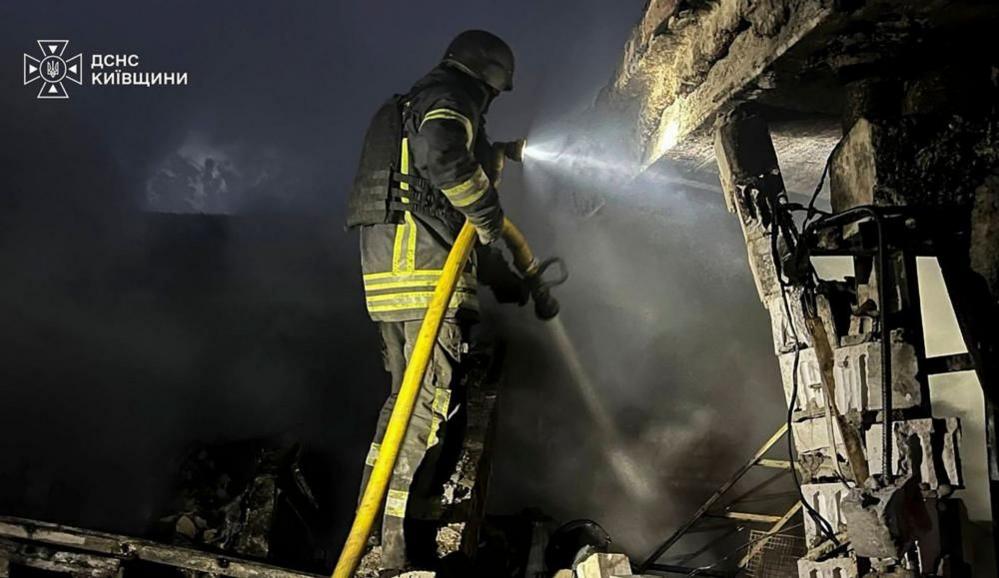
The company has reported eight employee deaths so far in 2026, six of them from a ballistic missile strike on a locomotive depot in Kyiv. Pertsovskyi says the timetable has been disrupted, but the railway is now preparing winter evacuation packs, mobile shelters and bus shuttles to keep passengers moving when temperatures drop to ‑20 °C or lower and snow piles up.
“We might be a slightly different railway, a reinvented railway,” Pertsovskyi said. “But we’ll keep connecting the country, no matter what, be it winter, be it summer, no matter how hard the enemy hits us.”