In brief
July 2026’s average sea‑surface temperature (20.96 °C) eclipsed the previous record set in 2023, making the month the joint second‑warmest on record. The surge, tied to developing El Niño conditions, amplified heat extremes in Western Europe, intensifying wildfires and exacerbating freshwater shortages. Sea‑level rise is linked to this thermal expansion, while smoldering oceans are already bleaching reefs and shrinking kelp forests. The data highlight how human‑driven warming and natural cycles intertwine to push climate extremes beyond historic thresholds.
The world's oceans recorded their hottest average temperature for July 2026, with sea‑surface temperatures (SST) reaching 20.96 °C—surpassing the 20.89 °C record set in 2023. This figure is 1.47 °C above pre‑industrial levels, marking the joint second‑warmest July on record.
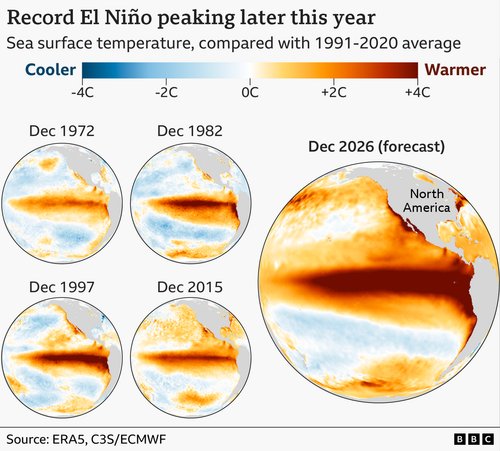
The spike comes as Pacific El Niño conditions develop, amplifying human‑driven global warming. Alongside seawater heat, European summers endured unprecedented heatwaves and droughts, igniting massive wildfires across the continent.
Higher sea‑level rise follows the warm tide: thermal expansion now accounts for about a third of global sea‑level gains. Rising temperatures also worsen marine heatwaves, bleaching coral reefs, eroding kelp forests, and reshaping fisheries. Storms carry more moisture, heightening rainfall intensity and flooding risk.
Western Europe’s water crisis deepens as rivers such as the Rhine and Danube run low, highlighting the compounded stress from heat, drought, and reduced rainfall. Recent Met Office data report the driest July in nearly two centuries and ongoing declarations of drought across England and Wales.
Climate experts warn that what was once extreme is becoming the new normal and that the 20th‑century climate boundary has already been crossed. The Aligned data collection’s fast‑moving GPS and satellite models show a 1.4 °C increase above late‑19th‑century averages, with El Niño potentially pushing temperatures even higher temporarily.