In brief
A multinational expedition has revived its search for Amelia Earhart’s lost Electra, having finally skirted strong El Niño‑driven winds off Nikumaroro. The crew plans to probe a mysterious “Taraia Object” visible in 1938 imagery and deeper sonar scans for wreckage. While skeptics question the object’s identity, the team remains optimistic, hoping the cleared waters will reveal evidence after a three‑day hold. The investigation, led by Purdue University and the Archaeological Legacy Institute, extends the fieldwork to finish their survey before the next storm front. If successful, the find could close a 90‑year mystery that has captivated historians, sailors and aviation fans alike.
After a three‑day pause forced by gale‑blasted seas, a multinational team is back on the deck of the research vessel Marin Mainiku, island‑hopping toward the uninhabited atoll of Nikumaroro. The crew hopes to finally probe a mysterious “Taraia Object” that appeared in aerial pictures taken over the lagoon in 1938.
The search focuses on the “Taraia Object,” a submerged shape that could be remnants of Earhart’s twin‑engine Lockheed Electra. Earlier satellite images show a low‑lying object in the lagoon, although some specialists argue it may simply be a collapsed tree. The team plans to run sonar scans, touch‑probe the site, and dredge sediment to confirm the theory that the Electra crashed near the island’s reef.
The expedition, a joint effort by Purdue University with the Archaeological Legacy Institute, had signalled earlier that it might identify the object in a matter of days. Bad weather delayed that goal, but the crew is now hopeful the calm will allow them to carry out the final phase of their survey.
Earhart vanished in July 1937 while circumnavigating the globe. After departing Lae, Papua New Guinea, she and navigator Fred Noonan aimed for Howland Island to refuel. Instead, they disappeared over the Pacific, inciting decades of speculation that they may have crashed or become cast‑aways on Nikumaroro, then known as Gardner Island.
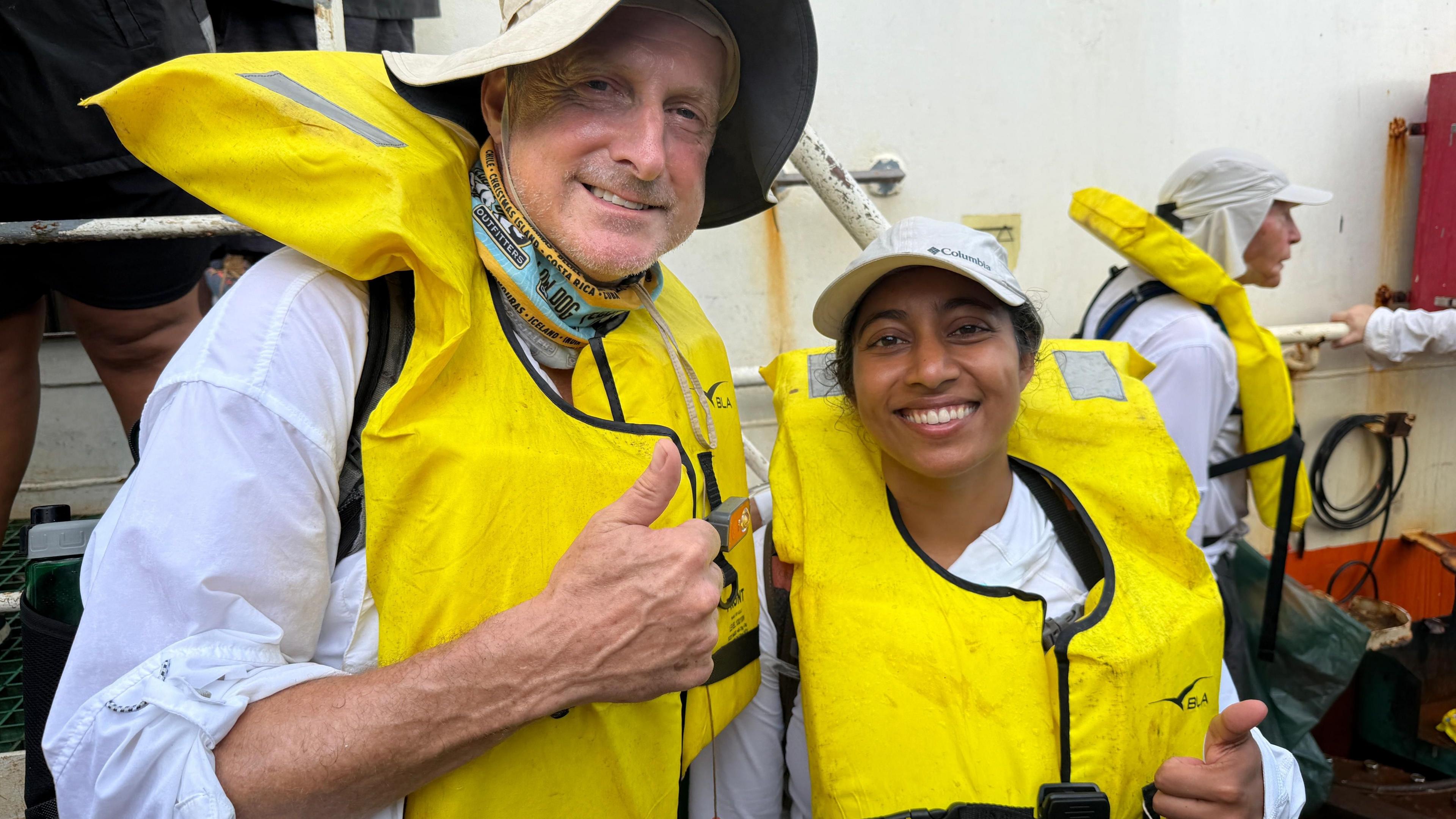
Experts note that the atoll’s only water entrance—created by a British off‑site in 1963—can be treacherous in high wind. Wind gusts as strong as 27 knots previously kept the research boat from approaching, but conditions have improved. “We are finally getting off the ship and ready to land on Nikumaroro,” crew technology specialist Sirisha Bandla said in a video update.
If the expedition confirms the existence of an aircraft wreck, it could announce one of the most glorious discoveries in aviation history. Otherwise, the mystery will live on, a lonely island echoing the enduring legend of a pioneering aviator who challenged the world’s limits.