In brief
City Council is poised to enforce a ban on Central Park horse‑drawn carriages effective June 2028, citing safety and animal‑rights concerns. The proposal faces backlash from approximately 200 drivers who fear economic collapse, though the mayor promises a transition plan. The ban echoes the tragic 2026 death of a tourist and a carriage horse, fueling the campaign called Romanch’s Law. Animal‑rights groups argue the horses suffer from heat, collisions and confinement, while drivers claim the industry is highly regulated and safe. The legislation will require a framework for job placement, training and financial assistance for displaced workers.
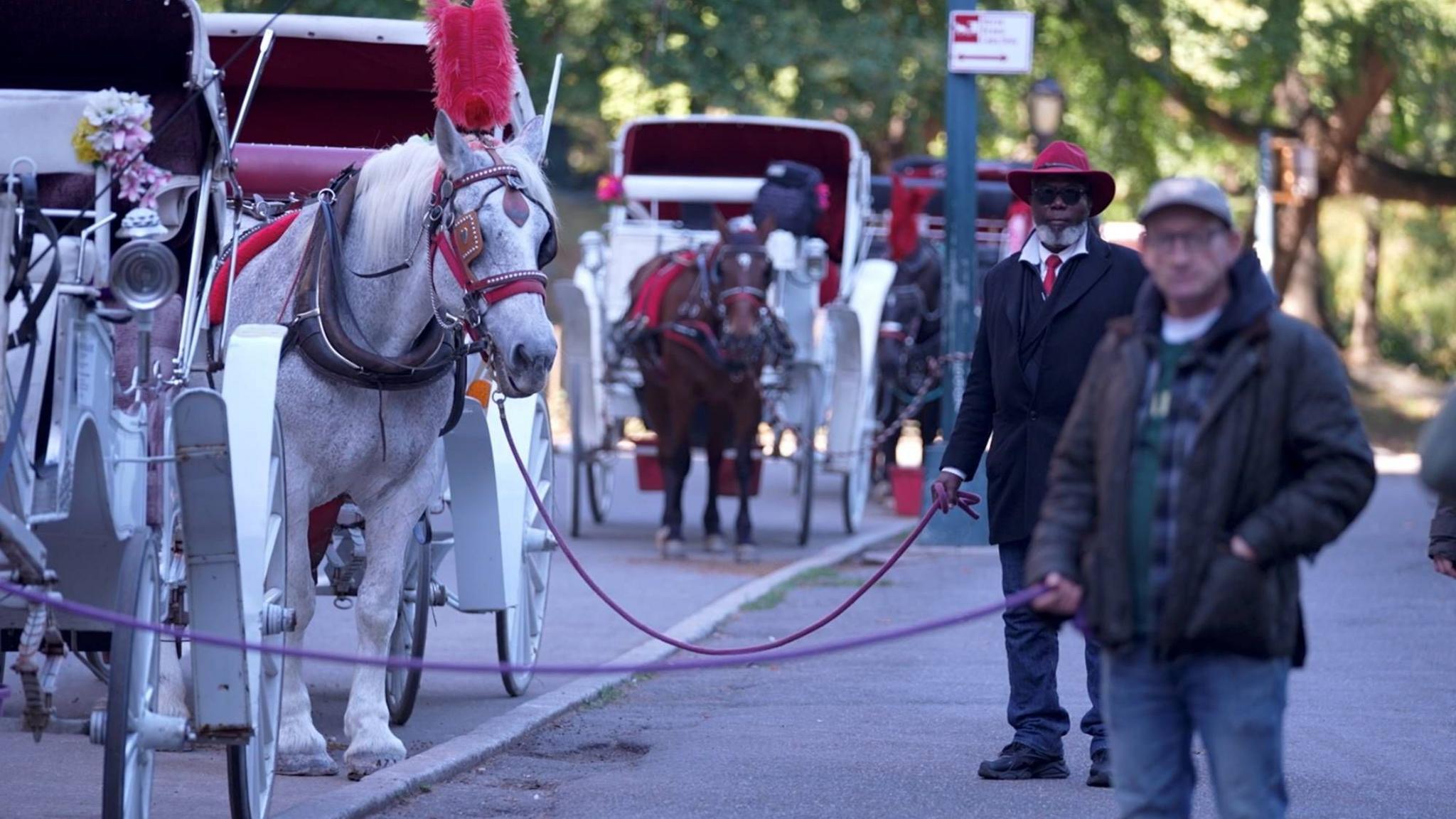
In early October, New York City Council moved to outlaw the horsecars that have chugged through Central Park for 160 years, a decision met with a mix of relief and alarm. City officials say the move is necessary to protect public safety and animal welfare after a series of fatal incidents, including the 2026 death of a 19‑year‑old tourist who fell when a carriage horse bolted.
Drivers’ Concerns
About 200 carriage operators, who earn between $60,000 and $70,000 a year, fear losing their livelihoods. “I spend more time with my horses than my wife and kids,” said 28‑year‑old Alexus Lawson, who has been a driver for six years. She argued that the bid to ban the cars is premature and that the industry is heavily regulated to prevent abuse.
The Transport Workers Union said the proposed transition plan offers no guarantees of new employment, and that thousands of horses might end up in slaughterhouses if the ban takes effect. “The workers will be economically wiped out,” the union warned.
Animal‑Rights Push
Animal‑rights activists, including PETA and the ASPCA, cite incidences such as 40 horse deaths in the park since 1982 and horses overheating, choking on debris and collisions. They argue that horses are “working animals” that deserve better conditions than the current 20‑minute rides for $72.22.
“They’re being confined in a loud, urban environment for hours each day,” a volunteer said. “The park would be just as beautiful without the carriages.”
Mayor’s Transition Plan
Mayor Zohran Mamdani pledged to develop an “industry transition framework”, including job placement, training, career counseling and financial compensation for those impacted. However critics argue the plan lacks specifics and funding, leaving many drivers uncertain.
The ban is set to begin in June 2028, a full two years after the council vote. City officials claim it provides a buffer for drivers to transition, while animal‑rights groups argue the delay is too long and the future safety of both humans and horses remains in doubt.
As the debate continues, the upcoming vote will determine whether the iconic Central Park carriage experience will end or evolve into a new chapter for the city’s equine and human community.