In brief
In Nazareth, student volunteers hand out leaflets urging Arab Israelis to vote in next week’s election, as polls suggest that Arab parties could become kingmakers. Historically low turnout is now driven by anger at a far‑right coalition led by Netanyahu. While Netanyahu’s bloc could secure about 50 of 120 Knesset seats, the combined Arab list is projected to win 13‑14 seats—enough to tip the balance. Arab parties have warned of increased discrimination and gang violence post‑war, adding urgency to the vote. The outcome will not only shape Israel’s government but also define the future of Arab citizens within the country.
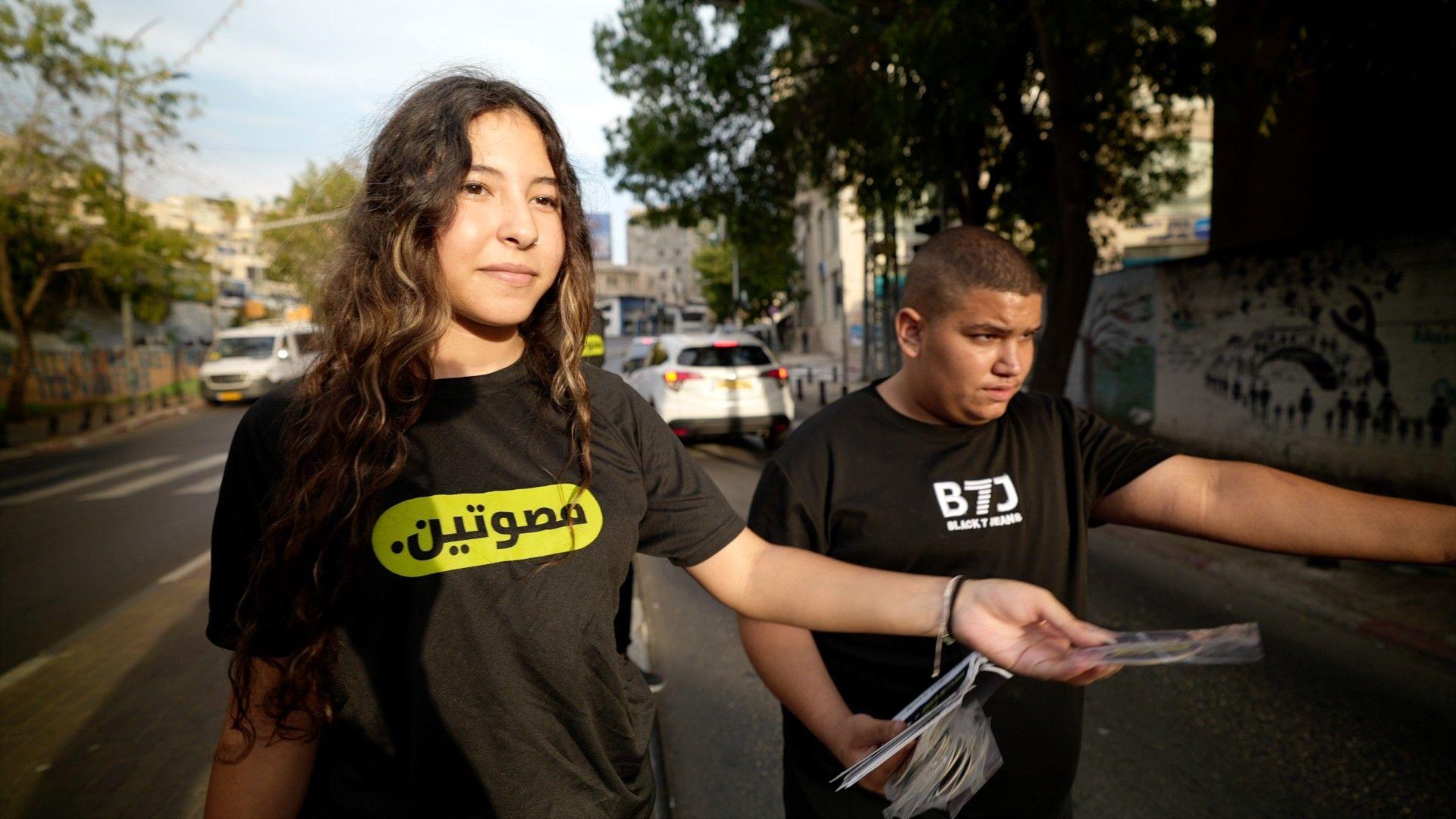
At rush hour in Nazareth, the largest Arab‑majority city in Israel, groups of students hand out leaflets to motorists, urging Arab Israelis to vote in the general election scheduled for next week.
For decades, Arab Israelis – who make up roughly a fifth of the population – have turned out in low numbers, largely because past elections saw them treated as second‑class citizens. Now the stakes are higher. Polls indicate that neither Netanyahu’s right‑wing coalition nor the centre‑right “Change Bloc” headed by Gadi Eisenkot is likely to secure a clear majority of the 120 seats in the Knesset.
If the election goes down to the wire, anti‑Netanyahu parties could be forced to break promises that they will never work with an Arab list or risk a coalition that includes those parties. Crucially, several Arab parties have all but ruled out siding with the Netanyahu bloc, citing a lack of shared values.
While the main Israeli parties have threatened to cut budgets for Arab communities, Arab leaders accuse the government of systematic discrimination. They point to a sharp rise in gang crime, with 252 murders reported last year – a rate five times higher than that for Jewish Israelis – as one of the biggest factors driving their demand for a stronger voice in Parliament.
The United Arab List and the Joint List – a coalition of secular Arab parties – have lobbied for a “position of influence” that could help them shape policy if a transition from the Netanyahu government occurs. Their leader, Mansour Abbas, has openly pledged to join whatever coalition emerges, even after a brief stint as a minister in a previous Bennett‑led government.
The Supreme Court has recently overturned a decision by the Central Elections Committee that would have disqualified the Arab parties based on a controversial law about the identity of the state, supporting their right to stand on the ballot.
With just days to go, the pulse of Nazareth and other Arab towns is recorded by motorists displaying party flags on their cars, signalling the community’s determination to participate and influence Israel’s future. Whether Arab Israelis will deliver the decisive vote remains the main question heading into the elections scheduled for next week.