In brief
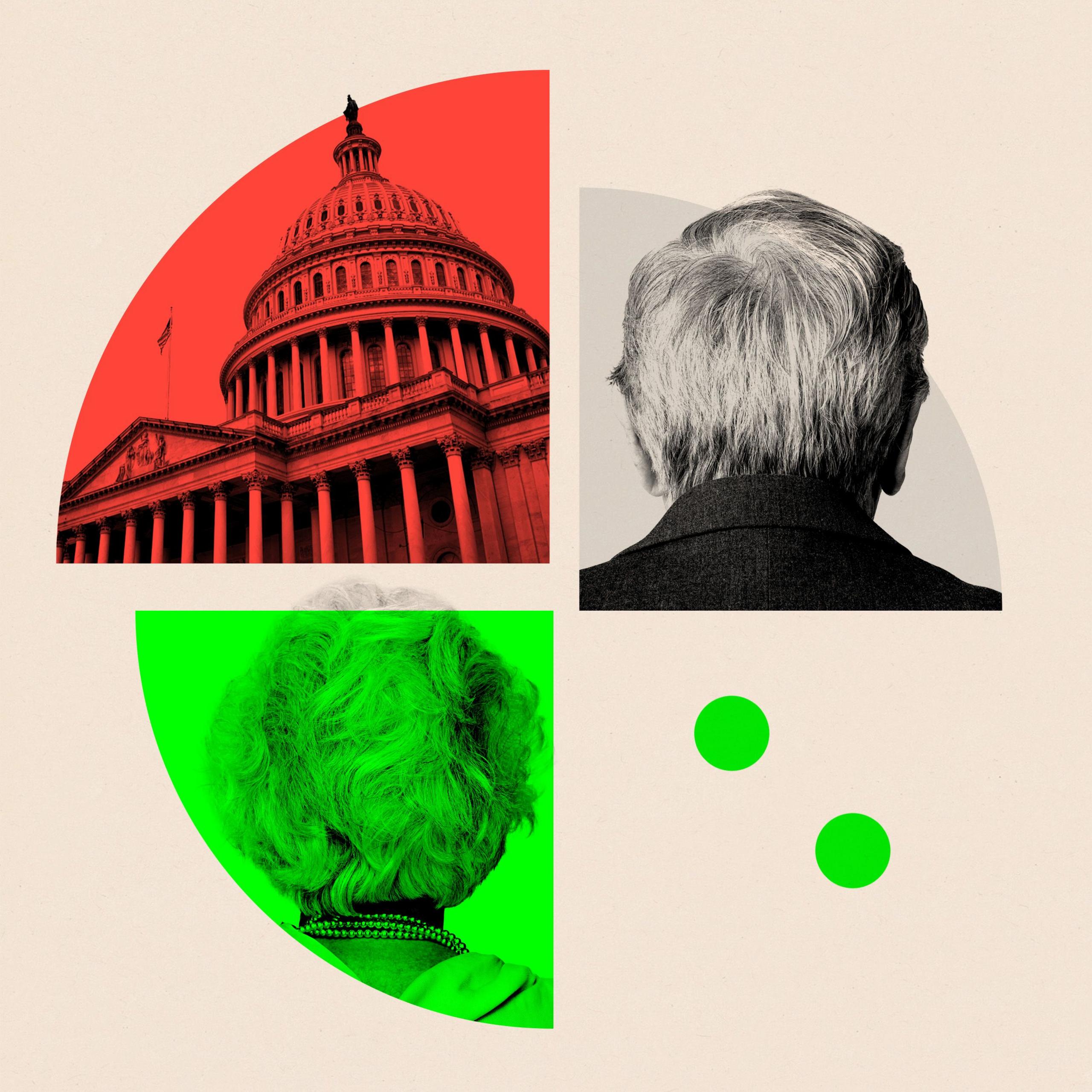
While the U.S. Congress leans heavily toward age, with leaders like Hal Rogers, Biden, and Trump in their 80s, a new wave of Gen Z candidates faces huge obstacles. Money, party alignment, and a deeply entrenched political culture keep younger voices on the fringe. Experts argue that age alone should not decide competence, but the lack of youth representation raises questions about who Congress truly represents.
The U.S. Congress has long been dominated by senior politicians. In the House, Hal Rogers—88 and campaigning for his 24th term—exemplifies a rare legacy: a career that began on the same night Ronald Reagan won his first presidential term. Meanwhile, Donald Trump, 80, and Joe Biden, 82, have both left office with their age under scrutiny, and Senate stalwart Chuck Grassley, 93, continues to serve.
This age imbalance has drawn criticism across the political spectrum. With the median age of representatives now 58 and senators 65—well above the U.S. median of 39—concerns about a “gerontocracy” are increasing. Researchers say that young voters (aged 18‑29) are less engaged, a trend reflected in the growing proportion of non‑voters in that bracket.
The Gen Z Challenge
Only a handful of Generation‑Z candidates appear on the ballot. In Utah, 27‑year‑old Republican Riley Owen is the newest contender for a newly drawn district that leans Democratic. He champions paid maternity leave, limits on congressional trading, and environmental action—issues he believes will resonate across party lines. Despite a fundraising gap—$2.6 million for his opponent, Ben McAdams, versus $150 k for Owen—he insists that the “us‑versus‑them” narrative is becoming a hindrance to pragmatic governance.
Owen’s candidacy illustrates two key obstacles: the entrenched financial advantage of incumbents and the limited appeal of young candidates within a rigid two‑party system. Scholars note that issue‑based movements, rather than party politics, energize young voters, but the structure of American elections often pushes them toward established incumbents.
Health, Age, and Competence
The debate has broadened to include concerns about the health and cognitive ability of senior lawmakers. While some argue for mandatory health checks or age limits, others counter that age alone is a poor predictor of competency. A 45‑year‑old with health issues may struggle with parliamentary duties, whereas an 85‑year‑old with sharp judgment can remain effective.
This dichotomy feeds into larger discussions about representation. Beyond age, Congress also fails to reflect the diversity of the nation’s gender, race, and sexuality. Advocates therefore push for deeper structural reforms to bring a broader public voice into governance.
Looking Ahead
The upcoming mid‑term election on 3 November will push the issue into the spotlight. With a record number of older lawmakers and a dearth of younger talent, the question remains: will a new generation break the aging cycle, or will the status quo persist? To answer that, the industry must reckon with financial realities, cultural norms, and the perception that age equates to experience rather than competence. Only then can the nation hope to fill its halls with legislators who truly represent all its citizens.